
The release of Richard Linklater’s Nouvelle Vague marks a significant cinematic milestone, serving as a meticulously crafted historical drama that chronicles the tumultuous production of Jean-Luc Godard’s 1960 masterpiece, Breathless (À bout de souffle). Produced for Netflix, the film represents a departure for Linklater, an American director known for his explorations of time and dialogue, as he dives into the heart of French film history. By focusing on the summer of 1959 in Paris, Linklater attempts to capture the lightning-in-a-bottle moment when a group of young critics-turned-filmmakers fundamentally altered the trajectory of global cinema.
The film stars Guillaume Marbeck as Jean-Luc Godard, Zoey Deutch as the American actress Jean Seberg, and Aubry Dullin as Jean-Paul Belmondo. The narrative is specifically concerned with the "guerilla" filmmaking tactics employed by Godard, whose rejection of traditional studio conventions birthed the French New Wave movement. Through a blend of historical recreation and thematic analysis, Linklater explores the friction between artistic vision and the chaotic reality of independent production.
Historical Context: The Birth of the French New Wave
To understand the significance of Linklater’s 2025 project, one must look back to the late 1950s, a period when French cinema was dominated by the "Tradition of Quality"—polished, studio-bound literary adaptations that young critics at the magazine Cahiers du Cinéma found stagnant. These critics, including Godard, François Truffaut, Claude Chabrol, and Éric Rohmer, championed the "Auteur Theory," arguing that the director should be the primary creative force of a film, equivalent to the author of a novel.
When Godard began filming Breathless in 1959, he had a minimal budget and a screenplay consisting of only a few pages of notes. He famously wrote dialogue on the morning of each shoot, utilized a handheld camera to navigate the streets of Paris without permits, and ignored established rules regarding continuity and lighting. This era of radical experimentation is the central subject of Linklater’s film, which seeks to humanize the intellectuals behind the movement.
The 2025 film arrives at a time when the legacy of the New Wave is being re-evaluated for a modern audience. While the movement is often associated with a certain "Gallic pretentiousness," its influence remains foundational to modern independent cinema. Linklater, whose own career has been defined by a similar disregard for conventional narrative structures in films like the Before trilogy and Boyhood, is uniquely positioned to interpret this history through a contemporary lens.
Chronology of Production and Narrative Scope
Nouvelle Vague does not attempt to provide a comprehensive biography of Jean-Luc Godard; instead, it utilizes a compressed timeline to focus on the high-stakes environment of a single production.
- The Pre-Production Phase: The film opens with the intellectual fervor of the Cahiers du Cinéma offices, where Godard and his peers debated the philosophy of the image. It captures the transition from theory to practice as Godard secures a meager budget and convinces Jean Seberg, then an American star struggling with her reputation in Hollywood, to join the project.
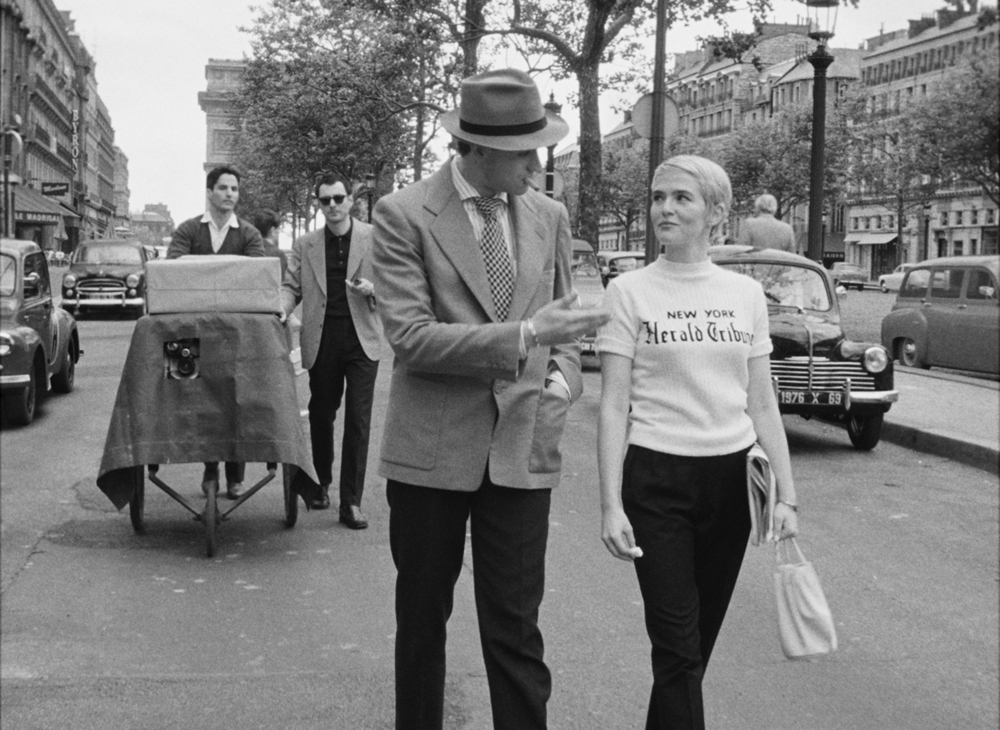
- The Guerilla Shoot (Summer 1959): The mid-section of the film details the chaotic filming process on the streets of Paris. Linklater highlights the improvisational nature of the shoot, including the use of a postal cart to move the camera and the frequent clashes between Godard’s erratic style and the expectations of his cast and crew.
- The Post-Production Tension: The narrative concludes before the film’s legendary premiere, focusing instead on the editing room where Godard and his editor utilized "jump cuts"—initially seen as a mistake—to create a sense of frantic, modern energy.
By ending the film before the massive critical and commercial success of Breathless, Linklater emphasizes the process of creation over the rewards of fame. This choice allows the audience to experience the uncertainty and risk that characterized the movement before it was codified into film history textbooks.
Performance Analysis: Capturing the Icons
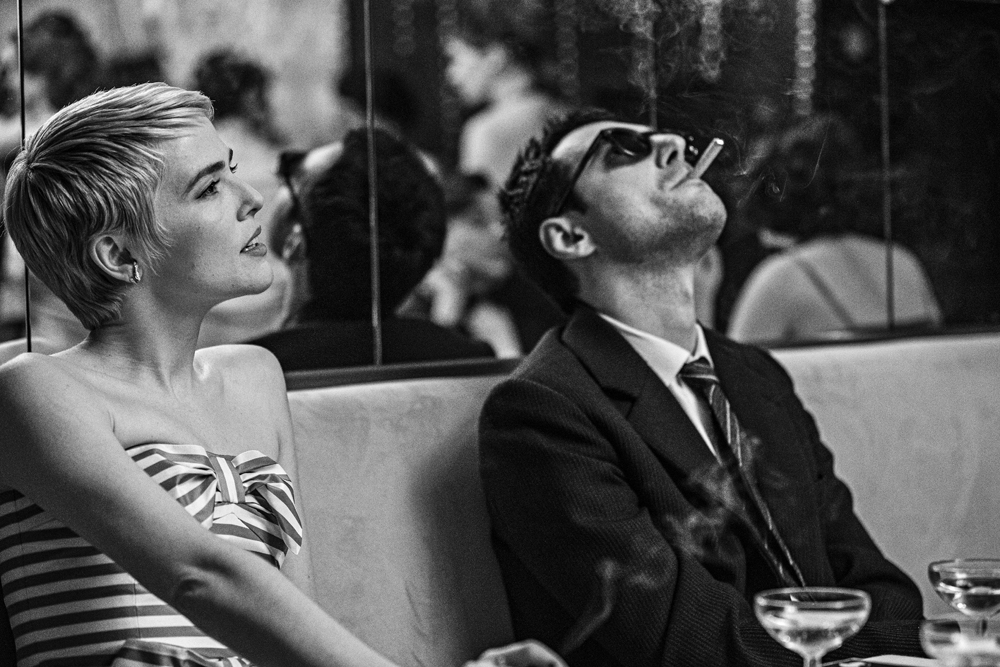
A central challenge for the 2025 production was the casting of legendary figures whose faces and mannerisms are etched into the cinematic subconscious. Guillaume Marbeck’s portrayal of Jean-Luc Godard has been noted for its "wry, self-aware pretentiousness." Marbeck avoids the trap of caricature, instead presenting Godard as a man deeply serious about his art but capable of a certain lightness and humor.
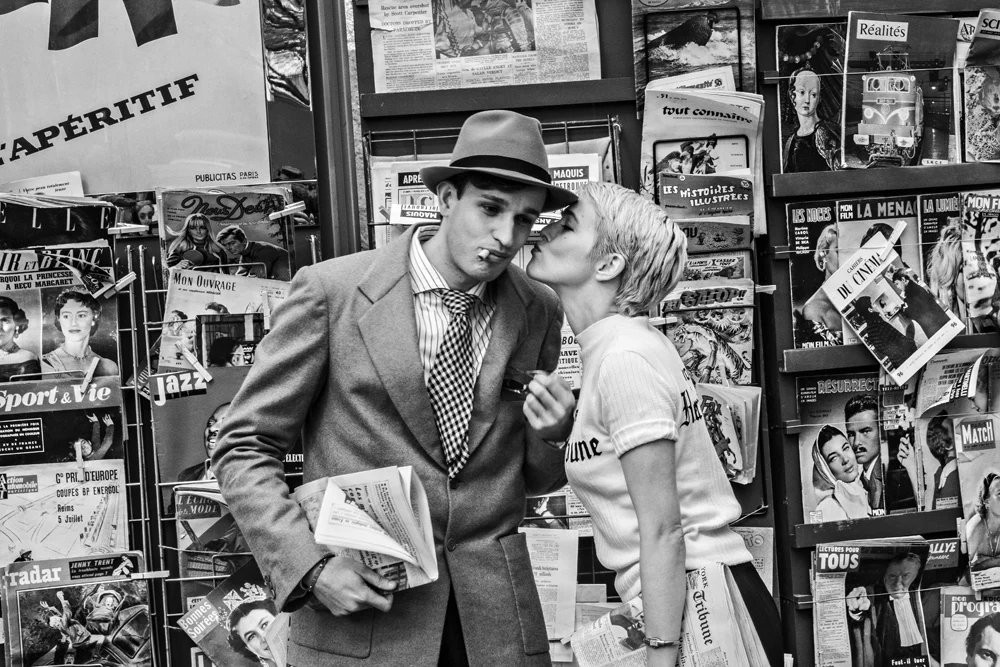
Zoey Deutch plays Jean Seberg, the American actress who became the face of the movement. Deutch’s performance captures the "prickly and unsure" nature of Seberg during this period. At the time, Seberg was reeling from the critical failure of Saint Joan and felt like an outsider in the Parisian intellectual scene. Linklater’s film places Seberg at the emotional center of the story, highlighting her role as a bridge between American stardom and European avant-garde.
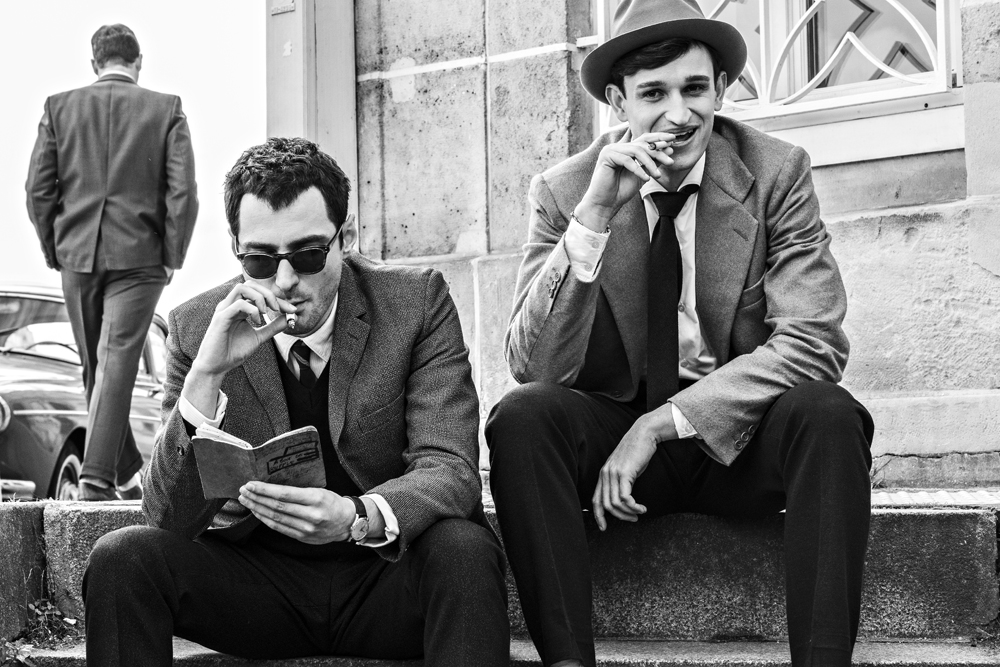
Aubry Dullin takes on the role of Jean-Paul Belmondo, the actor whose "white-hot sensuality" and "louche appeal" defined the cool aesthetic of the 1960s. While critics have noted the difficulty of replicating Belmondo’s singular screen presence, Dullin captures the physicality and rebellious spirit that made Belmondo the perfect vessel for Godard’s vision.
Technical Execution and Aesthetic Fidelity
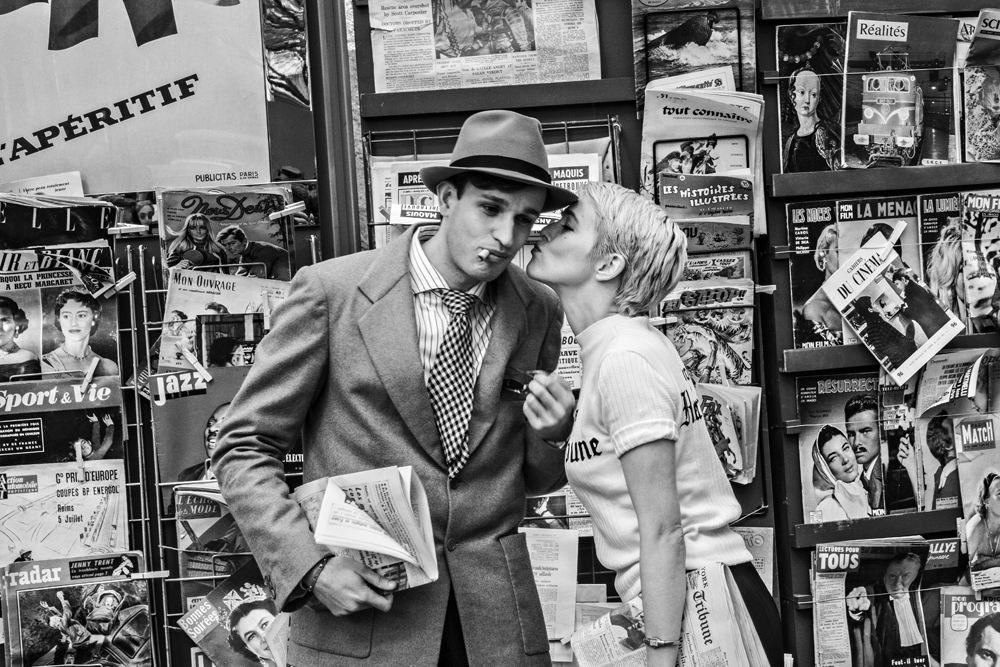
The production design by Katia Wyszkop and costume design by Pascaline Chavanne are integral to the film’s success as a historical document. Wyszkop faced the daunting task of recreating 1959 Paris, a city that has changed significantly in the intervening decades. Through the careful selection of locations and the use of vintage automobiles and boutique storefronts, the film achieves a level of immersion that suggests it could have been shot during the era it depicts.
Costume designer Pascaline Chavanne was responsible for recreating some of the most iconic garments in film history, most notably the "New York Herald Tribune" T-shirt worn by Seberg. The costumes serve a dual purpose: they are faithful recreations of the original film’s wardrobe while also illustrating the broader fashion shifts of the era. Seberg’s pixie cut and casual, bohemian attire represented a break from the structured, formal fashion of the 1950s, signaling the arrival of the "proto-manic pixie dream girl" aesthetic.
The technical precision of the film creates a paradox that has become a point of discussion among critics. While the original Breathless was celebrated for its haphazard, "on-the-fly" production, Linklater’s homage is a work of meticulous planning and high-budget recreation. This raises questions about the nature of homage: can a carefully constructed film truly capture the spirit of a movement that was defined by its lack of construction?
Critical Analysis: The Tension of Homage
The core debate surrounding Nouvelle Vague (2025) involves the inherent contradiction of its existence. Jean-Luc Godard was a cinematic rebel who sought to destroy the very idea of "prestige" filmmaking. By turning the story of his rebellion into a high-quality streaming feature, Linklater risks sanitizing the radicalism of the source material.
However, many analysts argue that Linklater’s American perspective provides a necessary distance. A French director might have approached the subject with too much reverence or internal cultural baggage. Linklater, instead, views the events as a transformative moment in the history of human expression. His film acknowledges the "silliness" and "intellectual posturing" of the New Wave figures while simultaneously validating their passion.
The film also serves as a gateway for younger audiences. While Breathless is available on platforms like HBO Max (Criterion Channel in some regions), it can feel inaccessible to those unfamiliar with its context. Linklater’s film provides that context, making the "coolly Gallic" world of 1959 Paris approachable without losing its sophisticated edge.
Broader Impact and Implications for the Streaming Era
The release of Nouvelle Vague on Netflix is a strategic move for the streaming giant, which has increasingly invested in "prestige" content from world-renowned directors to bolster its brand. By funding a film that is largely in French and focused on niche film history, Netflix is signaling its commitment to the global "cinephile" market.
Richard Linklater has publicly commented on this partnership, suggesting that Godard—a man who was always interested in the evolution of media—might have appreciated the irony of his life story being distributed via a digital algorithm. The film’s existence highlights the shifting landscape of cinema, where historical dramas about the birth of "theatrical" movements are now primarily consumed in the home.
Furthermore, the film’s focus on Jean Seberg contributes to a broader cultural reclamation of her legacy. For decades, Seberg was remembered more for her tragic personal life and her persecution by the FBI than for her artistic contributions. Nouvelle Vague re-centers her as a pivotal figure in the development of modern acting and fashion, reminding viewers why she remains an "eternal cool" icon.
Conclusion and Future Outlook
Nouvelle Vague (2025) is more than a simple biopic; it is an exploration of the philosophy of art and the mechanics of change. By focusing on the specificities of production—the costumes, the dialogue, the improvised shots—Linklater creates a vivid portrait of a moment when the rules of the world were being rewritten.
As the film continues to reach audiences, it is expected to spark a renewed interest in the original works of the French New Wave. The film’s ending, which leaves the characters on the precipice of a revolution, serves as a poignant reminder that art is often most powerful when its creators have no idea of the impact they are about to make. Linklater’s "love letter" to Godard and his peers stands as a testament to the enduring power of the moving image and the individuals brave enough to reinvent it.
The 2025 production serves as a benchmark for how modern cinema can interact with its own history—not merely by imitating it, but by examining the human impulses that drive innovation. Whether viewed as a historical document, a fashion study, or a character drama, Nouvelle Vague remains a vital addition to the filmography of one of America’s most thoughtful directors.