
The Incident: A Stark Visual of Industry Reality
On April 11, 2026, the official social media account for QunQun☆RiniU posted a photograph that would soon become a symbol of the "nugu" (a term used to describe obscure or unknown groups) struggle. The image depicted the members of the group standing behind a long table draped in white cloth, traditionally used for "handshake" events or autograph sessions. Behind them stood promotional banners, and on the table sat stacks of merchandise and literature. However, the foreground of the image—the space reserved for fans—was entirely vacant.
The caption accompanying the post was brief and remarkably candid: "Special event… zero people showed up…" The members were seen with downcast expressions, leaning against the table in a state of visible dejection. While the idol industry is built on a facade of perpetual energy and optimism, this moment of raw vulnerability resonated with the public. Within days, the post surpassed 1.3 million views on X (formerly Twitter), drawing a mixture of sympathy, skepticism, and analytical commentary from industry observers.
Historical Context: The Evolution of QunQun☆RiniU
To understand the weight of this event, one must look at the history of the group itself. QunQun☆RiniU is not a brand-new entity but rather a reincarnation of a long-standing regional idol project. The original group, QunQun, was established in 2011, based primarily in Fukuoka, Japan. During the height of the "Idol Sengoku Jidai" (Idol Warring States Period) in the early 2010s, regional groups found success by catering to local fanbases, offering a more intimate and accessible alternative to Tokyo-based giants like AKB48.
The original QunQun experienced several years of moderate success before disbanding around 2020, a victim of both the natural lifecycle of idol groups and the devastating impact of the COVID-19 pandemic on live performance venues. In 2024, the project was revived under the name QunQun☆RiniU, featuring a mix of new talent and a branding strategy aimed at a "re-debut." The 2026 incident occurred during a period where the group was attempting to regain its footing in a market that had become significantly more saturated and digitally driven than it was during their initial 2011 launch.

The Mechanics of the "Chika Idol" Ecosystem
QunQun☆RiniU operates within the "Chika Idol" (underground idol) ecosystem. Unlike "major" idols signed to massive conglomerates like Sony Music or Avex, underground idols often manage their own bookings, social media, and merchandise sales, or work with small-scale independent labels. Their revenue is almost entirely dependent on "Tokutenkai"—special benefit sessions where fans pay for handshakes, photographs (cheki), or brief conversations.
When a group schedules a "special event" and no one attends, the failure is not merely emotional but financial. The costs associated with such events—venue rental, staff wages, transportation, and promotional materials—are often fronted by the management or the performers themselves. A "zero-attendance" event represents a total loss, highlighting the precarious financial tightrope walked by independent performers.
Social Media as a Double-Edged Sword for Promotion
The viral nature of the group’s "zero fan" post raises questions about modern marketing strategies in the digital age. In an era where "clout" and engagement metrics can be converted into brand awareness, some industry analysts have debated whether the post was a genuine cry for help or a calculated "sympathy marketing" tactic.
Sympathy marketing involves highlighting the hardships and failures of a group to trigger a protective or supportive instinct in the audience. By showing their "rock bottom," QunQun☆RiniU managed to reach 1.3 million people—a reach they likely could not have achieved through standard promotional posts about their music or choreography. This "viral failure" effectively put the group on the map for a global audience, leading many to look up their music videos and social media profiles out of curiosity.
However, the psychological impact on the performers cannot be discounted. To stand for hours in a public or semi-public space waiting for fans who never arrive is a grueling experience that can lead to burnout and "idol disillusionment." The professional composure required to post such a failure publicly is a testament to the resilience—or perhaps the desperation—inherent in the current idol climate.

Analyzing the "Sympathy Marketing" Theory and Public Response
The public response to the incident was multifaceted. On one hand, a significant portion of the online community expressed genuine heartbreak. Comments from international fans, particularly in the K-pop and J-pop spheres, noted that "every big group started somewhere" and praised the members for their honesty.
On the other hand, seasoned followers of the Japanese idol scene noted that this is a recurring narrative. Several "underground" groups in the past have utilized photos of empty venues to garner "pity follows" and "pity buys." While there is no evidence to suggest QunQun☆RiniU staged the lack of attendance, the decision to photograph and share the failure was undoubtedly a strategic one.
The strategy appeared to yield immediate, if modest, results. Just one day after the viral post, on April 12, 2026, the group posted a follow-up video. In this update, the atmosphere was markedly different. While the crowd was still small by mainstream standards, there was audible applause and a visible presence of supporters. The group thanked their fans for the "warmth" they received following the previous day’s disappointment, suggesting that the viral exposure had successfully driven at least a few curious onlookers to attend the next session.
Industry Implications: The Oversaturation of the Idol Market
The QunQun☆RiniU incident is a microcosm of a much larger issue within the East Asian music industry: extreme oversaturation. In Japan alone, it is estimated that there are upwards of 3,000 active idol groups at any given time. With the barrier to entry lowered by social media and affordable recording technology, the market has become flooded.
This oversaturation creates a "winner-take-all" dynamic. While the top 1% of groups enjoy sold-out stadium tours and lucrative CF (commercial film) deals, the bottom 90% struggle to fill small cafes or community centers. The "nugu" phenomenon is not exclusive to Japan; South Korea’s K-pop industry sees dozens of groups debut every year, with more than 80% disbanding within their first three years due to financial insolvency or lack of public interest.
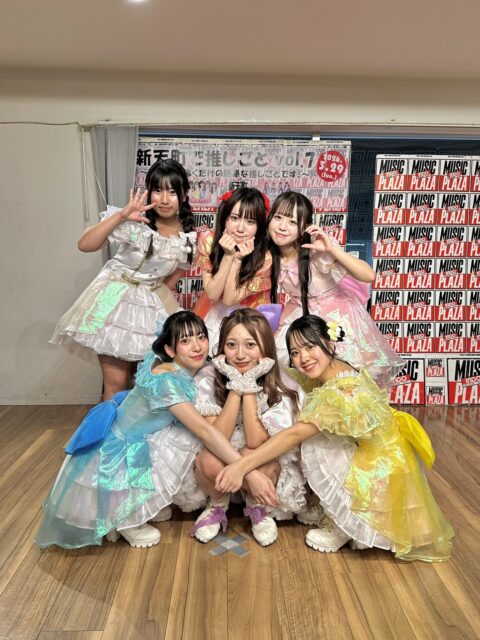
The implications for the industry are profound. As the market becomes more crowded, groups are forced to adopt more extreme measures to gain attention. This includes grueling schedules, highly personalized (and sometimes invasive) fan interactions, and the publicizing of personal failures to gain viral traction.
The Human Cost of the Idol Dream
Beyond the business analytics lies the human element. The members of QunQun☆RiniU, many of whom are in their late teens or early twenties, dedicate years to training in dance, vocals, and "idol etiquette." The emotional toll of a zero-attendance event is significant. It serves as a blunt reminder that hard work and talent do not always equate to success in a market governed by algorithms and fleeting trends.
The 2026 viral post served as a rare moment of transparency in an industry that usually prioritizes "the shine." By showing the "shadow," QunQun☆RiniU inadvertently educated a global audience on the harsh realities of the idol dream. For every group that reaches the heights of BTS or AKB48, there are thousands of groups standing behind empty tables, waiting for a single fan to walk through the door.
Conclusion: The Path Forward for QunQun☆RiniU
As of mid-April 2026, QunQun☆RiniU continues to promote their latest singles and participate in regional events. The "zero fan" incident, while painful, has provided them with a level of name recognition that most independent groups never achieve. Whether they can convert this fleeting viral sympathy into a sustainable and loyal fanbase remains to be seen.
The event serves as a definitive case study in the modern entertainment landscape. It highlights the power of social media to turn a private failure into a public opportunity, the crushing weight of industry saturation, and the enduring resilience of those who refuse to give up on their aspirations, even when faced with an empty room. For QunQun☆RiniU, the road ahead is challenging, but they no longer walk it in total obscurity. The 1.3 million people who viewed their moment of silence are now, in some small way, witnesses to their journey—a journey that continues one handshake at a time.