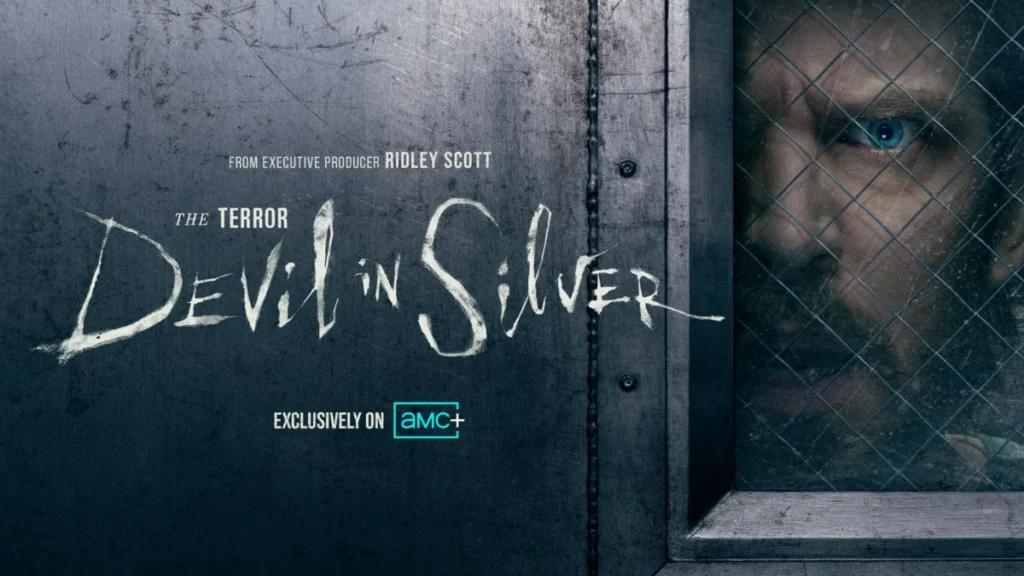

AMC has officially released the trailer for its upcoming horror anthology miniseries, The Terror: Devil in Silver, the latest installment in the critically acclaimed series that previously captivated audiences in 2018 and 2019. This new season, slated to premiere on May 7th, 2026, on AMC and Shudder, plunges viewers into the chilling confines of a psychiatric hospital with a stellar cast led by Dan Stevens. The trailer, released via YouTube, offers a stark glimpse into a world of psychological torment, dark secrets, and a pervasive sense of dread that hints at supernatural malevolence.
A Descent into the Asylum
The Terror: Devil in Silver draws its narrative from Victor LaValle’s acclaimed novel of the same name. The story centers on Pepper, portrayed by Dan Stevens, a working-class man whose life takes a nightmarish turn due to a confluence of unfortunate circumstances and a volatile temper. Wrongfully committed to the New Hyde Psychiatric Hospital, Pepper finds himself an inmate in an institution designed to house society’s outcasts. The trailer immediately establishes a tone of claustrophobia and despair, with Pepper facing not only the hostility of fellow patients but also the veiled menace of the hospital’s staff. The tagline, "I want to prepare you for what comes next… But I need you to remain calm," sets a disquieting stage, suggesting a deliberate unraveling of sanity and a confrontation with forces beyond conventional understanding.
The series promises to explore the insidious nature of institutional confinement, where the lines between patient and tormentor blur, and where the very walls seem to harbor a sinister presence. The official synopsis elaborates on Pepper’s struggle: "As Pepper navigates his newfound hellscape where nothing is as it seems, he finds that the only path to freedom is to face the entity which thrives on the suffering within New Hyde’s walls – but doing so may prove that the worst demons of all live inside him." This internal struggle, juxtaposed with external threats, suggests a deeply psychological horror that resonates with the series’ established thematic depth.
A Legacy of Terror and Critical Acclaim
The "The Terror" anthology series has built a reputation for its atmospheric tension, meticulous historical detail, and exploration of human endurance in the face of unimaginable horrors. The first season, released in 2018, was a historical fiction horror story set aboard HMS Erebus and HMS Terror during Sir John Franklin’s doomed Arctic expedition. It garnered significant critical praise for its bleak realism and supernatural undertones, establishing the series as a benchmark for intelligent horror. The second season, The Terror: Infamy (2019), shifted its focus to the Japanese American internment camps during World War II, weaving in elements of folklore and spectral horror.

With The Terror: Devil in Silver, AMC and Shudder continue their partnership, bringing LaValle’s unsettling novel to the screen. The decision to adapt this particular story underscores the series’ commitment to exploring diverse forms of terror, from historical survival to psychological and supernatural dread. The novel itself has been lauded for its exploration of systemic injustice and the psychological impact of trauma, themes that are likely to be amplified within the visual medium of television.
A Stellar Ensemble Cast
Beyond Dan Stevens, the series boasts an impressive roster of talent. Judith Light, CCH Pounder, Aasif Mandvi, John Benjamin Hickey, Stephen Root, Michael Aronov, Marin Ireland, Hayward Leach, Hampton Fluker, Chinaza Uche, and Philip Ettinger are all slated to appear. The presence of such seasoned actors suggests a depth of performance that will be crucial in navigating the complex emotional and psychological landscape of the narrative. Their collective experience spans a wide range of genres, from drama to comedy to horror, promising nuanced portrayals of characters grappling with their own demons and the external horrors of New Hyde Psychiatric Hospital.
Judith Light, known for her powerful dramatic roles, and CCH Pounder, a veteran of numerous genre projects, are particularly noteworthy additions, hinting at significant roles within the hospital’s hierarchy or patient population. Aasif Mandvi’s inclusion also suggests a potential for both comedic relief and underlying gravitas, a common characteristic of characters in "The Terror" series. The ensemble’s caliber alone positions The Terror: Devil in Silver as a must-watch for fans of character-driven horror.
Creative Forces Behind the Screen
The creative team behind The Terror: Devil in Silver brings a wealth of experience in both television and horror. The season is created, showrun, and written by Chris Cantwell (known for Halt and Catch Fire) and Victor LaValle, the author of the source material. This direct involvement from the novel’s creator ensures a faithful yet potentially expanded adaptation. The involvement of Karyn Kusama and Craig William Macneill as directors further bolsters the series’ credibility. Kusama, in particular, has a distinguished career in directing suspenseful and critically acclaimed films like The Invitation and Destroyer, while Macneill has contributed to atmospheric horror series like The Exorcist.
The series is executive produced by a formidable team including Ridley Scott, a titan of the film industry whose production company, Scott Free Productions, is a key player. This collaboration with Scott Free, Entertainment 360, and EMJAG Productions signifies a significant investment in the project’s quality and reach. The combination of Cantwell’s narrative prowess, LaValle’s imaginative source material, and the directorial vision of Kusama and Macneill, all under the umbrella of AMC Studios and Scott Free, creates a compelling case for the series’ artistic merit.

Background and Context: The History of Psychiatric Care
The setting of a 1920s or 1930s psychiatric hospital, as implied by the era of the novel and the series’ aesthetic, evokes a period of significant transition and often grim realities in mental healthcare. While therapeutic interventions were beginning to evolve, many institutions were characterized by overcrowding, rudimentary treatments, and a lack of understanding regarding mental illness. Practices like lobotomies, electroconvulsive therapy (ECT), and the use of sedatives were common, often with severe side effects. The stigma surrounding mental health meant that patients, especially those from working-class backgrounds like Pepper, could easily be marginalized and subjected to inhumane conditions.
New Hyde Psychiatric Hospital, as depicted in the series, can be understood as a microcosm of these broader societal issues. The "dark secrets" hinted at by the trailer could refer to unethical medical practices, abusive staff, or the deliberate concealment of patient suffering. The "something far more sinister" and the potential presence of "the devil himself" suggest that the series will lean into supernatural horror, using the historical backdrop of psychiatric mistreatment as fertile ground for a more terrifying narrative. This approach aligns with the "The Terror" series’ tendency to blend historical context with elements of the uncanny.
Supporting Data and Industry Trends
The success of anthology horror series in recent years, such as American Horror Story, Black Mirror, and even previous seasons of The Terror, demonstrates a strong audience appetite for contained, thematic storytelling. AMC and Shudder’s continued investment in the genre, particularly with The Terror, signals a strategic focus on this lucrative niche. The streaming landscape has further fueled this trend, with platforms actively seeking original content that offers unique viewing experiences.
The decision to release The Terror: Devil in Silver on both AMC and Shudder, a dedicated horror streaming service, suggests a dual strategy to capture both a broad audience and a more specialized horror demographic. Shudder, in particular, has become a go-to platform for discerning horror fans, and its association with a high-profile series like The Terror is likely to drive subscriptions. The reported six-episode count for the miniseries also aligns with the current trend of producing more focused, serialized narratives that deliver a complete story arc within a limited timeframe, a format often favored by viewers seeking less commitment than traditional multi-season shows.
Potential Analysis and Implications
The trailer’s emphasis on Pepper’s wrongful commitment and his struggle against both patients and staff suggests a narrative that will delve into themes of social injustice, the abuse of power, and the psychological toll of confinement. The "devil" could be interpreted metaphorically, representing the inherent evil within the institution or the darkness that resides within human nature, or it could be a literal supernatural entity. This ambiguity is a hallmark of effective horror, allowing for multiple layers of interpretation.

The series’ exploration of a psychiatric hospital also offers an opportunity to comment on the historical treatment of mental illness and the enduring stigma associated with it. By framing the horror within such a setting, The Terror: Devil in Silver could provoke conversations about mental health awareness and the importance of compassionate care. The success of the series will likely depend on its ability to balance genuine scares with compelling character development and thematic resonance, a balance that previous seasons of "The Terror" have successfully achieved. The inclusion of Ridley Scott as an executive producer also lends significant weight to the project, suggesting a high production value and cinematic ambition.
Release Date and Audience Anticipation
AMC has announced that The Terror: Devil in Silver will debut on May 7th, 2026. This date places it strategically within the spring television season, allowing it to build buzz leading into the summer months. The release of the trailer so far in advance of the premiere indicates a deliberate marketing strategy designed to generate sustained anticipation. The question posed at the end of the original article, "Who’s intrigued?", is a rhetorical one, as the combination of a respected franchise, a compelling premise, and a talented cast has undoubtedly piqued the interest of horror aficionados and general audiences alike. The series represents a significant return for "The Terror" and promises to deliver another chilling chapter in AMC’s legacy of acclaimed horror programming.