
The South Korean judiciary has delivered a definitive ruling in the high-profile case of Ramsey Khalid Ismael, an American livestreamer known globally by his pseudonym Johnny Somali. On April 15, a South Korean court sentenced Ismael to a term of six months in a labor prison, supplemented by 20 days of detention, following a string of provocative and illegal actions that ignited national outrage. The verdict concludes a months-long legal saga that saw the creator barred from leaving the country while authorities investigated a litany of charges ranging from the obstruction of business to the distribution of fabricated sexually explicit content and the harassment of minors.
In addition to the custodial sentence, the court mandated that Ismael be registered as a sex offender. He is further subject to a five-year employment restriction, prohibiting him from working at any institutions involving children, adolescents, or individuals with disabilities. The sentencing marks a significant escalation in how international jurisdictions are handling the phenomenon of "nuisance streaming," where creators travel to foreign countries to engage in disruptive or offensive behavior for the purpose of generating digital engagement and financial profit.
A Pattern of Criminality: The South Korean Incidents
Johnny Somali’s tenure in South Korea was characterized by a series of escalating stunts designed to provoke local citizens and authorities. While he initially gained notoriety for relatively minor public disturbances, his actions quickly crossed into criminal territory. One of the most egregious incidents cited in the prosecution’s case involved a visit to the Lotte World theme park in Seoul. During a livestreamed session, Ismael was accused of engaging in behavior that constituted the sexual harassment of a child, a charge that the South Korean legal system treats with extreme severity.
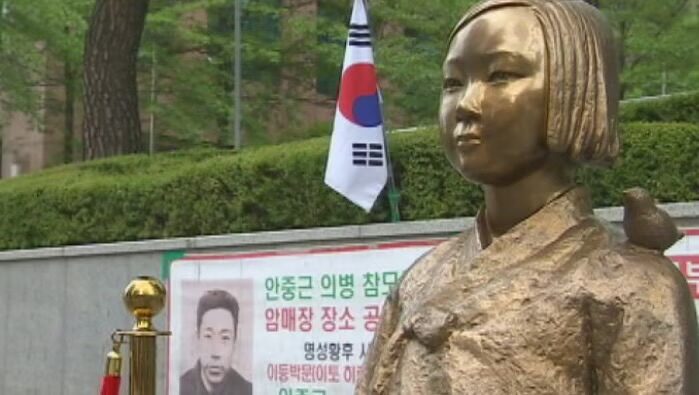
Furthermore, Ismael drew the ire of the entire nation when he filmed himself desecrating a Statue of Peace. These statues, located in various parts of Seoul and other cities, serve as somber memorials to the "comfort women"—Korean women who were forced into sexual slavery by the Imperial Japanese Army during World War II. By kissing the statue and performing lewd dances around it, Ismael committed an act of deep cultural and historical disrespect, which many South Koreans viewed as a direct assault on the nation’s dignity and historical memory.
The court also focused on Ismael’s systematic harassment of low-wage workers. In several recorded incidents, he entered convenience stores and harassed employees, at one point pouring instant ramen noodles over a table and onto the floor after being asked to stop filming. These actions led to charges of obstruction of business, as his presence and behavior prevented establishments from operating normally and caused distress to both staff and customers.

The Verdict and Legal Justification
During the sentencing hearing, the presiding judge emphasized that Ismael’s actions were not merely "pranks" but deliberate violations of South Korean law intended to monetize public disorder. The charge of distributing fabricated sexually explicit content was particularly damaging to Ismael’s defense. This charge typically involves the creation or dissemination of "deepfake" imagery or other manipulated media intended to defame or harass individuals.
While Ismael expressed a degree of remorse in the days leading up to the trial—even issuing a public apology to the people of South Korea—the court appeared to find these gestures insincere or insufficient given the repetitive nature of his offenses. The decision to sentence him to a "labor prison" is a specific facet of the South Korean penal system where inmates are required to perform manual labor as part of their rehabilitation and punishment. This is often viewed as a more rigorous form of incarceration compared to standard detention.
Chronology of a Global Nuisance
The legal troubles facing Ramsey Khalid Ismael in South Korea did not occur in a vacuum. His arrival in the country followed a high-profile deportation from Japan, where he established a similar pattern of behavior.

- September 2023 – Japan Incidents: Ismael gained international infamy after filming himself harassing passengers on a Tokyo train, making references to the atomic bombings of Hiroshima and Nagasaki. He was later arrested for trespassing at a construction site and for disrupting the operations of a restaurant.
- Early 2024 – Entry into South Korea: Following his expulsion from Japan and a subsequent ban on re-entry, Ismael traveled to South Korea. He immediately began livestreaming similar disruptive content.
- March-April 2024 – Escalation: The Lotte World incident and the desecration of the Statue of Peace occurred, leading to a massive public outcry and the involvement of local police.
- May 2024 – Travel Ban: As police investigations intensified, South Korean authorities placed a formal exit ban on Ismael, preventing him from fleeing the country to avoid prosecution.
- Late 2024 – Vigilante Confrontations: Ismael was frequently confronted by South Korean citizens and "cyber-wreckers" (YouTubers who track down controversial figures). In one instance, he was physically assaulted by an individual who claimed to be defending the country’s honor.
- April 15, 2026 – Sentencing: The court delivers its final verdict, sentencing Ismael to prison labor and sexual offender registration.
Broader Implications for Digital Content Creation
The case of Johnny Somali highlights a growing tension between global social media platforms and the national laws of the countries where their creators operate. Ismael’s ability to fund his travels and legal fees through donations from viewers has raised questions about the responsibility of platforms like Twitch, YouTube, and Kick.
Before his arrest, Ismael had been banned from five major streaming platforms. However, he frequently circumvented these bans by creating new accounts or moving to less regulated platforms. The South Korean court’s decision to impose a five-year employment restriction on institutions related to minors suggests a judicial recognition that Ismael’s "work"—even if digital—poses a documented risk to public safety and social order.
Industry analysts suggest that this ruling may serve as a blueprint for other nations facing similar issues with "nuisance streamers." By categorizing these actions not as protected speech or entertainment, but as criminal obstruction and harassment, South Korea has set a high bar for the legal consequences of "clout-chasing" behavior.
Reaction from the South Korean Public and Officials
The sentencing has been met with widespread approval among the South Korean public. On social media, many expressed relief that the legal system held the streamer accountable. "Respect for our laws and our history is not optional for visitors," one viral post read. "This sentence proves that our justice system cannot be mocked for the sake of views."
Government officials have also weighed in on the broader issue of foreign nationals violating local norms. While South Korea remains a welcoming destination for tourists and digital nomads, the Ministry of Justice has signaled that it will not hesitate to use exit bans and custodial sentences for those who engage in systematic criminal behavior. The inclusion of the sex offender registry is particularly significant, as it ensures that Ismael’s criminal record will follow him internationally, potentially affecting his ability to travel to other countries in the future.
Impact on the K-Pop Community and BTS
One of the more bizarre chapters of Ismael’s time in East Asia involved his repeated threats and derogatory comments regarding the K-pop group BTS. During his streams, he frequently used the group’s name to incite anger among their massive global fanbase, known as ARMY. While these comments were largely seen as "rage-bait" intended to drive traffic to his channel, they contributed to the overall narrative of a creator who sought to attack the cultural pillars of the countries he visited. The sentencing is seen by many fans as a long-awaited "karmic" conclusion to his history of harassment.

Conclusion: The End of a Controversial Chapter
As Ramsey Khalid Ismael begins his sentence in a South Korean labor prison, the digital world is left to grapple with the debris of his career. His case serves as a stark reminder that the anonymity and perceived lawlessness of the internet do not extend to the physical world. For the people of South Korea, the verdict provides a sense of closure regarding an individual who went to great lengths to disrespect their culture, their history, and their laws.
The legal precedent set here is clear: the pursuit of digital fame does not grant immunity from the consequences of criminal conduct. As international travel and livestreaming continue to intersect, the story of Johnny Somali will likely be cited for years to come as a cautionary tale for those who believe that national boundaries and local sensitivities can be ignored for the sake of an algorithm.