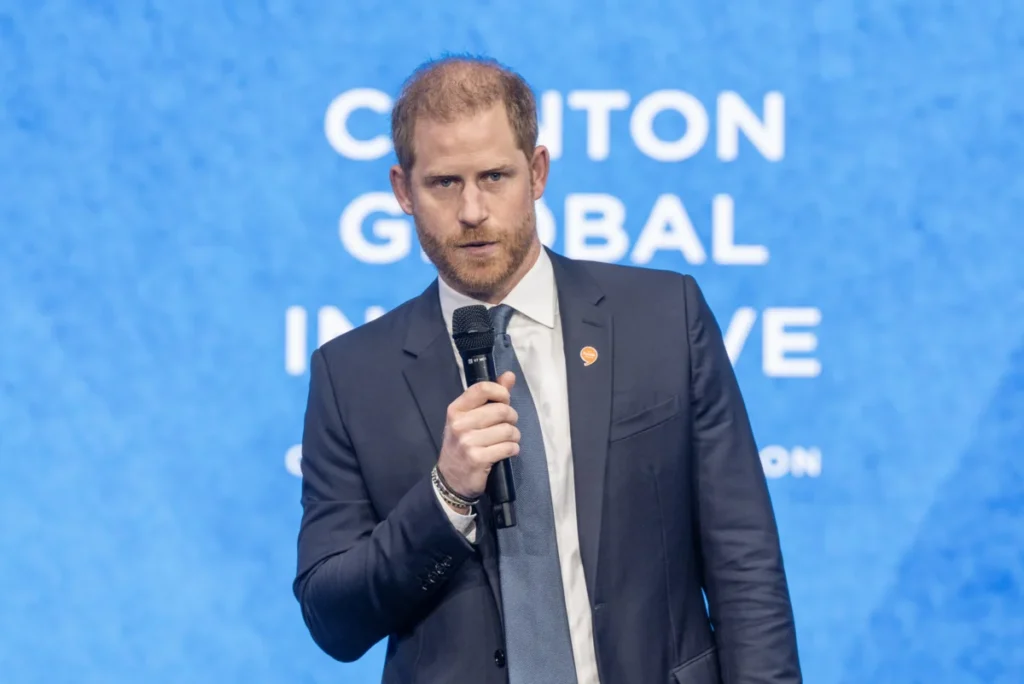

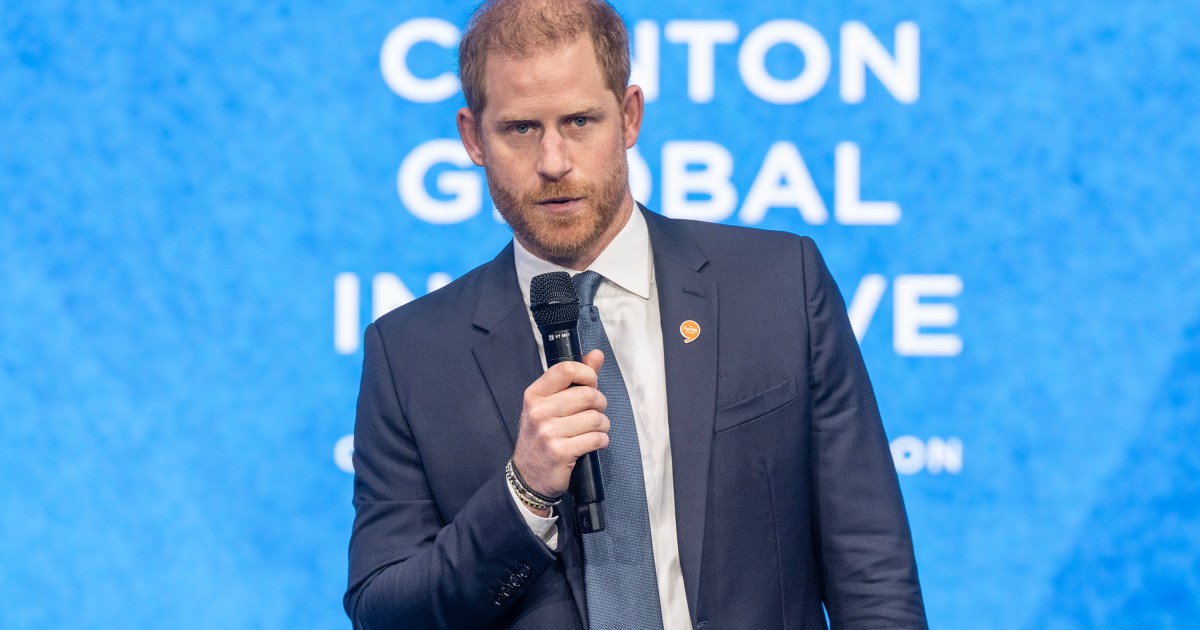
The Duke of Sussex has offered a rare and candid glimpse into the emotional complexities of early parenthood, revealing the personal struggles he faced following the birth of his children and the pivotal role therapy played in his transition to fatherhood. Speaking at a high-profile event hosted by the men’s health charity Movember on April 15, Prince Harry shared his experiences during a visit to the headquarters of the Western Bulldogs, a professional Australian rules football club. The engagement, which took place on the second day of his current visit to Australia alongside his wife, Meghan Markle, focused on the evolving identity of modern fathers and the critical importance of mental health awareness for men.
During a structured on-stage conversation with Dr. Zac Seidler, Movember’s Global Director of Men’s Health Research, Prince Harry reflected on the specific pressures of raising children while navigating public life and personal history. He notably disclosed that he felt a sense of disconnection from his wife during a previous trip to Australia when he was a new father, a revelation that underscores the often-unspoken psychological toll that major life transitions can take on men. The Duke emphasized that his ability to navigate these challenges was largely due to proactive mental health support he received prior to the birth of his first child, Prince Archie.
The Role of Therapy in Breaking Intergenerational Cycles
A central theme of the Duke’s address was the necessity of addressing past traumas to prevent them from impacting the next generation. Prince Harry has been a vocal advocate for mental health for several years, but his comments at the Western Bulldogs headquarters provided a more intimate look at his motivations. He explained to the audience that his decision to seek therapy was driven by a desire to be the most present and capable parent possible.
"Certainly, from a therapy standpoint, you want to be the best version of yourself for your kids," the Duke stated during the discussion. He further elaborated on the need to "cleanse" himself of past experiences, suggesting that unresolved issues from his own childhood and his time as a working member of the Royal Family required deliberate attention before he could fully embrace his role as a father. This process of "cleansing," as he described it, was not merely about personal relief but was a strategic effort to ensure he did not pass down the same emotional burdens to his children, Prince Archie and Princess Lilibet.
The Duke also highlighted a significant cultural shift in how families approach emotional literacy. He noted that the types of conversations currently occurring in modern households between parents and children regarding feelings and mental well-being were virtually non-existent during his own upbringing. By fostering an environment where emotional transparency is encouraged, Harry suggested that the cycle of the "stiff upper lip"—a traditional British trait often associated with the monarchy—is being replaced by a more resilient and empathetic model of parenting.
Chronology of the Duke’s Fatherhood and Relocation
To understand the context of Prince Harry’s reflections, it is necessary to look at the timeline of his family’s transition over the last several years. Prince Harry and Meghan Markle welcomed their first child, Prince Archie, in London in May 2019. At the time, the couple were still high-ranking working royals, living under the intense scrutiny of the British press and the rigid protocols of the institution.
In early 2020, the couple announced their intention to step back from their senior royal duties, a move that led to a formal exit from the "working royal" framework and a relocation to North America. After a brief stay in Canada, they settled in Montecito, California. It was in this new environment that their daughter, Princess Lilibet, was born in June 2021. The Duke’s comments in Australia suggest that the move was not just a change in geography but a necessary step in his journey toward mental clarity and family-focused living.
The Duke’s mention of feeling "disconnected" during a previous Australian trip likely refers to the period of intense pressure following the birth of Archie. While the couple’s 2018 tour of Australia, New Zealand, Fiji, and Tonga was widely considered a success, it occurred just as they were entering the most turbulent years of their royal tenure. The realization of the disconnect, Harry noted, was a catalyst for acknowledging that even "joyous" transitions like fatherhood can be fraught with internal conflict.
Insights from the Movember "More Than a Provider" Report
The timing of the Duke’s appearance coincided with the launch of a significant piece of research by Movember titled "More Than a Provider: Australian Fathers on Health, Identity and Experiences of Parenthood." This report delves into the changing expectations placed on fathers and the gap between traditional masculine ideals and the realities of modern parenting.
According to data released by Movember, a significant percentage of new fathers experience symptoms of anxiety or depression, yet they are far less likely than mothers to seek professional help. The "More Than a Provider" report indicates that:
- Approximately one in ten expectant and new fathers will experience paternal perinatal depression.
- Many men feel a "pressure to provide" that outweighs their focus on their own emotional or physical health.
- Social isolation is a major factor for new fathers, with many reporting a loss of their previous social circles after having children.
Dr. Zac Seidler noted that having a high-profile figure like Prince Harry speak openly about these issues helps to dismantle the stigma that prevents men from accessing support. "When men see someone in a position of influence admitting to feeling disconnected or struggling with the transition to parenthood, it gives them permission to acknowledge their own feelings," Dr. Seidler remarked following the event.
Professional Guidance and Paternal Awareness
Prince Harry credited a UK-based therapist with providing the most impactful advice during his preparation for fatherhood. The therapist’s recommendation was simple yet profound: "Just be aware of how you feel once the baby is born." This advice focused on the importance of self-observation and mindfulness, encouraging the Duke to recognize early signs of emotional distress rather than suppressing them.
This focus on self-awareness is a cornerstone of modern psychological practice for new parents. Experts suggest that "paternal postnatal depression" often manifests differently than maternal depression, frequently appearing as irritability, anger, or withdrawal rather than overt sadness. By advocating for this level of awareness, the Duke is aligning himself with a growing movement in clinical psychology that emphasizes the father’s mental health as a critical component of the child’s developmental environment.
Broader Impact and Global Implications
The Duke of Sussex’s participation in the Movember event is part of a broader strategy of public engagement centered on mental health, a cause he has championed through various initiatives. His 2023 memoir, Spare, and his Netflix docuseries, Harry & Meghan, both touched upon the psychological toll of his life within the royal "firm." Additionally, his role as Chief Impact Officer at the coaching and mental health firm BetterUp further cements his commitment to the sector.
From a journalistic perspective, the Duke’s comments represent a significant departure from the historical conduct of the British Royal Family. For decades, the monarchy adhered to a policy of emotional stoicism. By contrast, Harry’s willingness to discuss "cleansing the past" and the benefits of therapy signals a modernization of the royal narrative—even if he is doing so from outside the official institutional structure.
The reaction to his statements has been largely positive within the mental health community. Advocates argue that his transparency helps to humanize the experience of fatherhood, which is often romanticized in the media. However, critics of the Duke continue to debate the frequency with which he discusses his personal and family history, suggesting a tension between his desire for privacy and his role as a public advocate.
Conclusion: A New Paradigm for Fatherhood
As Prince Harry continues his visit to Australia, his message at the Western Bulldogs headquarters remains a focal point of the trip. By framing therapy as a tool for "becoming the best version" of oneself for one’s children, he has repositioned mental health support not as a sign of weakness, but as an essential responsibility of parenthood.
The Movember event serves as a reminder that the challenges of fatherhood are universal, transcending social status or geographic location. Whether in a palace or a suburban home, the transition to being a parent requires a level of emotional agility that many men are not traditionally taught to cultivate. Through his advocacy and personal reflections, the Duke of Sussex is contributing to a global conversation that seeks to redefine what it means to be a "provider" in the 21st century—moving beyond financial stability to include emotional presence and psychological health.