

The global music landscape witnessed a rare and polarizing collision of two K-pop eras in April 2026, as BTS and BIGBANG—the two most influential boy groups in the history of the genre—became the subjects of an intense cultural debate. The controversy stems from two distinct performances that took place within days of each other: BTS’s massive comeback concert at Gwanghwamun Square in Seoul and BIGBANG’s highly anticipated set at the Coachella Valley Music and Arts Festival in California. While both events were intended to showcase the global reach of Korean culture, they have instead ignited a fierce discussion regarding the definition of "national prestige" and the most authentic way to represent South Korea on the world stage.
The Gwanghwamun Spectacle: BTS and the Modernization of "Arirang"
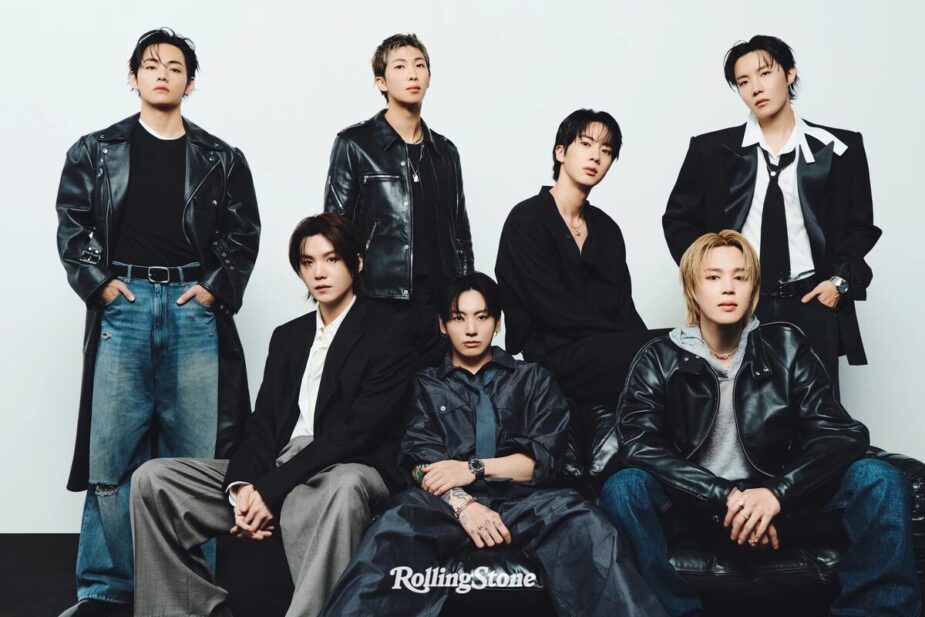
On April 9, 2026, HYBE’s flagship group, BTS, held a landmark concert at Gwanghwamun Square to celebrate the release of their latest album, titled ARIRANG. The choice of venue was significant; Gwanghwamun is the historical and political heart of Seoul, a site that has hosted everything from royal processions to national protests. Securing the square for a commercial concert was seen by many as a testament to BTS’s status as "national treasures," yet the performance itself drew immediate scrutiny.
The centerpiece of the concert was the title track, which interpolates "Arirang," a folk song often referred to as the "unofficial national anthem" of Korea. BTS’s version, however, featured significant English lyrics, a creative choice intended to make the song accessible to their massive international fanbase, known as ARMY. During the performance, the group led a massive singalong, encouraging fans from dozens of countries to join in the chorus.
While many praised the group for bringing Korean tradition into the 21st century, a segment of the Korean public expressed discomfort. Critics argued that the use of English in a song as sacred as "Arirang" felt like a "dilution" of national identity for the sake of global chart success. The debate intensified when clips of the English-language singalong went viral, leading some netizens to label the spectacle as "forced" or "performative patriotism."

The Coachella Breakthrough: BIGBANG and the Trot Revival
Just days later, on April 13, 2026, YG Entertainment’s BIGBANG took the stage at Coachella. As one of the few veteran groups to maintain a global presence, their performance was expected to be a retrospective of their greatest hits. However, the highlight of the set—and the catalyst for the current debate—was a solo performance by member Daesung.
Daesung chose to perform "Hando Chogua," a high-energy "trot" song. Trot is Korea’s oldest form of pop music, characterized by its distinctive vocal inflections and traditionally associated with older generations. In recent years, the genre has seen a massive domestic revival, but it remains largely unknown to Western audiences. By "blasting" trot music at a festival known for indie, electronic, and mainstream pop, BIGBANG was seen by some as taking a much bolder risk than BTS.
The reaction from Korean netizens was swift. Many hailed Daesung’s performance as "real madness," a slang term used to describe something authentically and unapologetically Korean. The argument emerged that while BTS was trying to "sell" a modernized version of Korea to the West, BIGBANG was forcing the West to experience a raw, unedited piece of Korean culture on its own terms.
Chronology of the Controversy
The timeline of these events highlights how quickly the narrative shifted from celebration to comparison:
- April 5, 2026: HYBE announces the ARIRANG comeback concert at Gwanghwamun Square, sparking concerns over traffic and the historical sanctity of the site.
- April 9, 2026: BTS performs at Gwanghwamun. The concert is livestreamed to over 15 million concurrent viewers. The English version of "Arirang" becomes an instant trending topic.
- April 11, 2026: BIGBANG arrives in California for Coachella, their first major festival appearance in years.
- April 13, 2026 (KST): BIGBANG’s Coachella set concludes. Daesung’s trot performance goes viral on Korean community boards like Pann and the platform X (formerly Twitter).
- April 14, 2026: A viral post comparing the two performances gains over 2 million views, titled "Fake Madness vs. Real Madness." The post argues that BTS’s Gwanghwamun concert was "manufactured prestige," while BIGBANG’s trot stage was "genuine cultural impact."
Statistical Impact and Global Reception
Despite the domestic debate, data suggests that both groups achieved significant reach. According to real-time streaming data, BTS’s "Arirang" reached number one on the iTunes charts in over 105 countries within 24 hours of the Gwanghwamun performance. Mention of the keyword "Arirang" on social media increased by 4,000% globally, with many international fans researching the history of the folk song for the first time.

Conversely, BIGBANG’s Coachella performance saw a massive spike in "Trot" searches on Google Trends in the United States and Europe. "Hando Chogua" entered the Spotify Viral 50 in several Western territories, a rare feat for a genre that has historically struggled to cross borders.
Industry analysts note that the two groups are operating on different strategies. BTS, under HYBE’s "globalization" model, aims for integration and universal appeal. BIGBANG, adhering to YG’s "identity-first" approach, focuses on the charismatic delivery of specific cultural markers.
Official Responses and Public Sentiment
Official representatives from both HYBE and YG Entertainment have remained relatively quiet regarding the direct comparisons, choosing instead to focus on the success of the events. A spokesperson for HYBE stated, "The goal of the Gwanghwamun concert was to create a bridge between the past and the future. By using English, we allowed the world to participate in a Korean tradition that was previously a closed book to many."
Sources close to YG Entertainment suggested that BIGBANG’s setlist was curated by the members themselves, with Daesung particularly insistent on the trot segment. "The members wanted to show the diversity of Korean music beyond the standard K-pop idol formula," the source noted.
Public sentiment remains deeply divided. On one hand, supporters of BTS argue that the group has done more for Korean tourism and the economy than any other entity in history, making the criticism of "English lyrics" seem pedantic. On the other hand, critics argue that "national prestige" should not be measured by chart positions alone, but by how much of the original culture is preserved during the export process.
Analysis: The Changing Definition of "National Prestige"
The debate between the BTS and BIGBANG performances reflects a broader tension in South Korean society regarding "Guk-wi-seon-yang" (promoting national prestige). For decades, this was achieved by winning Olympic medals or high-level diplomatic achievements. In the era of the Hallyu Wave, however, the responsibility has shifted to pop culture icons.
The "Fake vs. Real Madness" narrative suggests that the Korean public is becoming more discerning about how their culture is marketed. There is a growing pride in "K-originality"—the idea that Korean culture is "cool" enough to be accepted without being translated or westernized. By singing "Arirang" in English, BTS may have inadvertently touched a nerve regarding the fear of cultural assimilation. By contrast, BIGBANG’s "absurd" choice to play trot at Coachella was interpreted as a sign of supreme confidence—a statement that Korean culture does not need to change to fit the Coachella mold.
Broader Implications for the K-pop Industry
This controversy is likely to influence how K-pop agencies plan future global campaigns. If the "authenticity" argument continues to gain traction, we may see a shift away from English-centric releases and toward the promotion of more traditional or niche Korean genres.
Furthermore, the choice of Gwanghwamun Square as a concert venue has set a new precedent. While it provided a stunning backdrop for BTS, the backlash regarding its "commercialization" may make the Seoul Metropolitan Government more hesitant to grant similar permissions in the future, or at least require more stringent cultural "safeguards."
As of mid-April 2026, the debate shows no signs of slowing down. Both BTS and BIGBANG have successfully dominated the news cycle, proving that even as the industry evolves, the power of these two groups to spark national conversation remains unparalleled. Whether through the globalized pop of BTS or the traditional trot of BIGBANG, Korean culture continues to negotiate its place on the world stage, balanced between the desire for universal appeal and the need for cultural integrity.