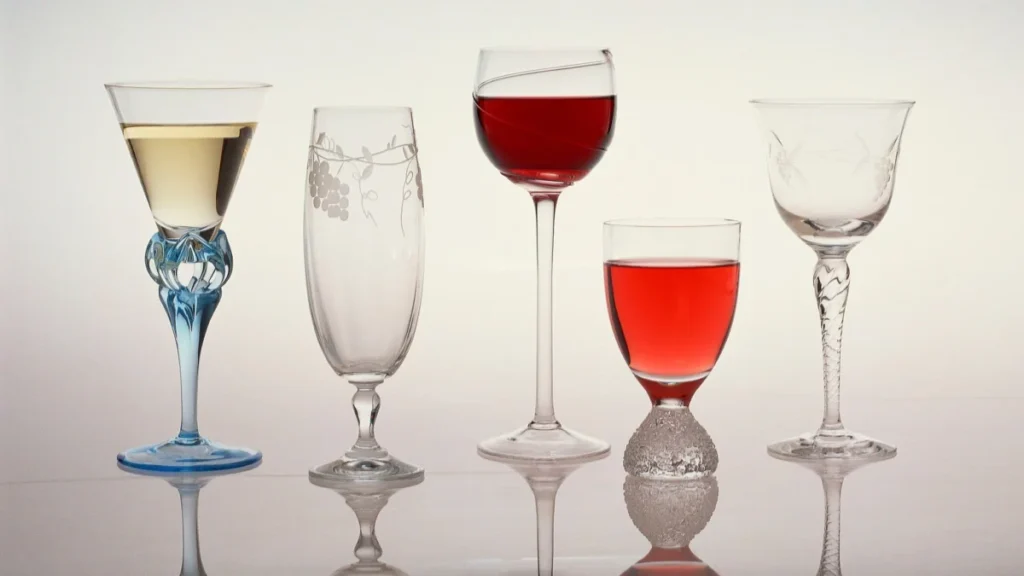

The intersection of interior design and enology has created a sophisticated market for glassware that serves as both functional tools for flavor enhancement and aesthetic centerpieces for the modern home. Whether hosting a large-scale dinner party, an intimate micro-gathering, or a quiet meal for two, the selection of wine glasses—and the liquids they contain—has become a critical component of the hospitality planning process. As the boundaries between professional sommelier standards and home entertaining continue to blur, experts emphasize that while a beautifully set tablescape is essential, the technical quality of the glassware should never be overlooked.

To navigate the increasingly complex world of stems, bowls, and crystal compositions, a panel of industry experts—ranging from master sommeliers to boutique wine shop owners—has identified the top glassware recommendations currently defining the market. Their insights reflect a broader trend in the industry: a move toward versatility, the rise of "universal" glasses, and a renewed focus on how glass geometry influences the volatile aromatic compounds of a wine.
The Evolution of the Wine Vessel: From Utility to Science
The history of wine glassware has transitioned from thick, opaque chalices to the ultra-thin, laser-cut crystal seen today. This evolution is driven by the understanding that the shape of a glass acts as a delivery system for the wine’s bouquet. The bowl’s diameter determines the surface area of the wine exposed to oxygen, while the rim’s taper directs the flow of liquid to specific zones of the palate.
.jpeg)
According to market data, the global wine glassware market is expected to grow significantly over the next decade, fueled by a rising "connoisseur culture" among younger demographics. This shift has moved the conversation away from owning a dozen different types of glasses toward investing in a few high-quality, high-performance pieces.
The Gold Standard: Handblown Artistry and Precision
For those seeking the pinnacle of glass design, the name Kurt Josef Zalto remains a primary reference point. André Mack, a renowned sommelier, winemaker, and author, identifies the Josephinen Hütte Josephine No. 3 Red as a premier choice. Handblown by artisans, this glass is designed to amplify the nuances of complex reds.
.jpeg)
Mack pairs this specific glassware with the Soléna Estate Domaine Danielle Laurent Pinot Noir 2019. Originating from a high-elevation, single-vineyard site in Oregon’s Willamette Valley, this Pinot Noir benefits from the Josephine No. 3’s unique architecture. The glass allows the delicate floral and earth notes of the Williamette Valley terroir—refined under the direction of winemaker Laurent Montalieu—to reach their full expression. The investment in such glassware, which often retails at over $200 for a set of two, reflects a commitment to the "slow wine" movement, where the vessel is as much a part of the experience as the vintage itself.
Professional Tasting and Technical Standards
While luxury stems capture the imagination, professional settings often require adherence to technical standards. The Ravenscroft Crystal INAO Type Tasting Glass represents the industry’s utilitarian side. INAO (Institut National de l’Origine et de la Qualité) glasses are designed according to specific ratios to provide a neutral, objective environment for wine evaluation.
.jpeg)
Daryl Nuhn, a sommelier and partner at Peoples Wine, highlights these glasses for their chic minimalism and unmatched price point. Nuhn recently utilized these for an impromptu tasting of the Escoda-Sanahuja Nas del Gegant Rosado 2020. Despite being technically categorized as port glasses, the concentrated bowl shape allowed the aromatics of the Spanish Trepat and Garnacha grapes to "jump out of the glass." This demonstrates a key industry insight: professional-grade tasting glasses are often more versatile than their specialized counterparts.
The Community-Driven Market: Vivino and Riedel
The democratization of wine knowledge has been largely driven by digital platforms. Heini Zachariassen, the founder of Vivino, leverages the data of 54 million users to understand wine trends. For glassware, Zachariassen points to the Riedel Extreme Cabernet Glass as a reliable standard. Riedel, a brand with over 260 years of history, was the first to recognize that the taste of wine is affected by the shape of the glass.
.jpeg)
In terms of wine selection, Zachariassen highlights the Barbanera Gigino 80 Anniversario. This Chianti is noted for its "miraculously underpriced" status despite thousands of five-star reviews. Described as a "fruit bomb" with a velvety texture and notes of vanilla and chocolate, the wine requires a glass with a large enough volume—like the Riedel Extreme—to manage its bold tannins and rich profile.
The Rise of the Universal Glass and the Startup Disruptors
One of the most significant shifts in the glassware industry is the rise of the "Universal Glass." This design seeks to provide a single solution for reds, whites, and even sparkling wines. The Zalto Universal has long been the favorite in this category, known for its feather-light weight and angular lines.
.jpeg)
However, the market is seeing new entrants like Glasvin, which offers handblown glassware at a more accessible price point. Charlie Friedmann, head of Wine Proxies at Acid League, notes that the Glasvin Universal glass mirrors the high-end feel of legacy brands while remaining dishwasher-safe—a crucial factor for modern consumers. Friedmann suggests these glasses are equally effective for non-alcoholic wine proxies, such as Acid League’s "Sauvage" (a crisp, herbal white) or "Velvet" (an elegant red with coffee and chocolate notes), proving that high-quality design is no longer reserved exclusively for traditional fermented beverages.
Nostalgia and Aesthetic Drama in Glassware
Beyond technical performance, glassware serves an emotional and decorative purpose. Cerise Zelenetz, owner of the Brooklyn wine bar Cherry on Top, advocates for the use of vintage-inspired designs. The Williams Sonoma Vintage Etched Wine Glasses, featuring delicate floral patterns, evoke a sense of nostalgia.
.jpeg)
Zelenetz pairs these etched glasses with "Mister Helios," a Greek white wine from the Kalogris winery. Made from the Moschofilero grape, the wine’s rosewater-like quality complements the floral aesthetics of the glass. This approach emphasizes that wine consumption is a multi-sensory performance where the visual "stage" provided by the glass is paramount.
Similarly, shopping writer Julia Harrison highlights the trend toward "bulbous" and "fragile" glassware. While impractical for high-traffic environments, these large-volume vessels, such as the Glasvin Aromatic glass, provide a dramatic backdrop for premium Burgundies or even experimental orange wines. The wide base increases the surface-to-air ratio, accelerating the aeration process.
.jpeg)
Durability and the "Daily Driver"
For the everyday consumer, durability is often the deciding factor. Jake Schlessinger, co-founder of Drink Ditto, points to the Schott Zwiesel Pure Beaujolais glasses as his "daily drivers." Made from Tritan crystal—a patented material that replaces lead with titanium and zirconium—these glasses are famously break-resistant and dishwasher-safe.
Schlessinger recently paired these durable stems with Enric Soler’s Nun Vinya dels Taus, a highly regarded wine from Catalonia. This choice illustrates a growing consumer preference: pairing high-end, special-occasion wines with durable, high-performance glassware that can withstand the rigors of frequent use without sacrificing elegance.
.jpeg)
Market Implications and Future Trends
The trend toward high-quality glassware is not merely a matter of style; it reflects a deeper consumer shift toward quality over quantity. The "premiumization" of the wine industry has led to a corresponding demand for accessories that validate the purchase of expensive bottles.
Data suggests several key drivers for the future of the market:
.jpeg)
- Material Science: Continued innovation in lead-free crystal that offers the clarity and resonance of traditional lead glass with increased durability.
- Sustainability: A move toward brands that utilize ethical manufacturing processes and recyclable packaging.
- Versatility: The continued dominance of the "Universal" shape as consumers seek to declutter their living spaces.
- Accessibility: The success of brands like JoyJolt, which offer elegant silhouettes at Amazon-friendly price points (often under $30 for a set of four), ensures that high-design glassware is accessible to a broader audience.
As Rachel Fletcher, a shopping director in the lifestyle space, notes, the affordability of modern glassware like the JoyJolt Layla series does not mean a sacrifice in elegance. For many, the ability to replace a broken glass without significant financial strain is as important as the glass’s ability to aerate a vintage.
Conclusion
The selection of a wine glass has evolved into a sophisticated blend of science, art, and personal expression. From the handblown precision of Kurt Josef Zalto’s designs to the durable utility of Schott Zwiesel and the accessible elegance of startups like Glasvin, the market currently offers a solution for every level of enthusiast. As experts have demonstrated, the right glass does more than just hold a drink; it elevates the aromatic profile of the wine, enhances the visual appeal of the table, and transforms a simple meal into a curated experience. Whether one chooses a technical tasting glass or a vintage-etched flute, the ultimate goal remains the same: to honor the craftsmanship of the winemaker by providing the best possible vessel for their work.