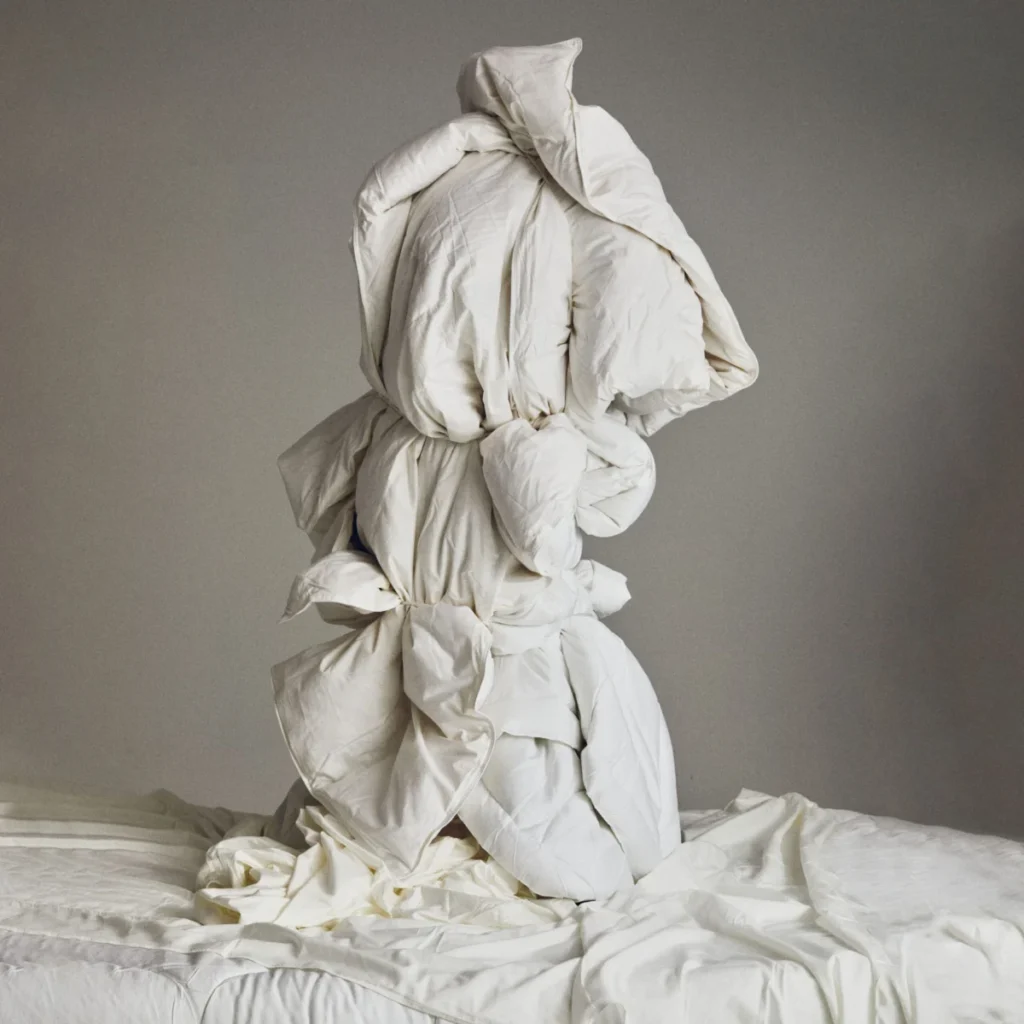

Spring serves as the traditional catalyst for domestic renewal, a period when homeowners transition from the heavy, insulating layers of winter to the lightweight, breathable textiles suitable for warmer temperatures. In the realm of interior design, the bed remains the focal point of the primary suite, making the choice of a duvet cover a critical decision for both aesthetic harmony and sleep hygiene. As industry leaders like Ariel Kaye, founder of the prominent bedding brand Parachute, demonstrate through their own curated homes, the modern duvet cover is no longer a mere utility item; it is a sophisticated design element that bridges the gap between luxury and functionality.
The contemporary bedding market has undergone a significant transformation over the last decade. Following the "Direct-to-Consumer" (DTC) revolution of the mid-2010s, brands have increasingly focused on material transparency, sustainability certifications, and specialized weaves. Today’s consumers are presented with an array of choices ranging from crisp cotton percales and buttery sateens to rustic European linens and high-tech cooling fabrics. This report synthesizes expert testing from Architectural Digest editors and insights from leading interior designers to identify the premier duvet covers currently available for the spring refresh season.
The Evolution of the Bedding Market: Context and Chronology
The surge in high-quality bedding options can be traced back to a shift in consumer behavior starting around 2014. Previously, the market was dominated by department store brands that often obscured quality metrics behind inflated thread counts. The emergence of brands like Brooklinen and Parachute introduced a new paradigm: high-quality, long-staple cotton and flax linen sold directly to the consumer at accessible price points.
By 2020, the global home textiles market had expanded significantly, with a renewed focus on the "sleep sanctuary." Market data indicates that the global bedding market was valued at approximately $120 billion in 2023, with a projected compound annual growth rate (CAGR) of 6% through 2030. This growth is driven largely by an increased awareness of sleep health and a preference for organic, chemical-free materials. Consequently, certifications such as Oeko-Tex Standard 100 and GOTS (Global Organic Textile Standard) have moved from niche requirements to industry benchmarks.
Top Recommendations for the Spring Season
1. Best Overall: Brooklinen Classic Duvet Cover
Often described as a "bedding celebrity," Brooklinen has maintained its status through consistent quality. The Classic Duvet Cover is constructed from 100% long-staple cotton in a percale weave. Percale is characterized by a one-over, one-under weave that results in a matte finish and a crisp, breathable feel—reminiscent of high-end hotel linens.
Testing notes from shopping writer Julia Harrison highlight the cover’s thermal regulation, noting it remains "cool to the touch" even when bundled. The use of single-ply yarns ensures durability without excessive weight. For those seeking a coastal or minimalist aesthetic, the brand’s "oyster" print and earthy colorways offer versatility across various design schemes.
2. Best for a Lived-In Aesthetic: Quince European Linen Duvet Cover
Quince has disrupted the luxury market by offering premium materials like European flax at significantly lower price points. Their linen duvet cover is Oeko-Tex certified and pre-washed for softness. Linen is a hollow fiber, making it naturally temperature-regulating and highly absorbent—ideal for the fluctuating temperatures of spring.
The "lived-in" look of linen is a staple of bohemian and transitional design. While some consumers find linen abrasive, Quince’s version is noted for softening with each wash. The brand’s commitment to ethical factory practices and minimal packaging appeals to the environmentally conscious demographic.
3. Hotel Suite-Inspired: Kassatex Savona Percale Duvet
For minimalists seeking a structured, formal appearance, the Kassatex Savona offers a refined aesthetic. Based in Manhattan’s Garment District since 1999, Kassatex utilizes a blend of Tencel lyocell and long-staple cotton. This combination results in a "whipped cream-like" texture that is softer than traditional 100% cotton percale. The design features a posh six-fold pleat border, echoing the style of luxury European hotel suites.
4. Personality-Driven Patterns: Piglet in Bed Gingham Linen
Based in the United Kingdom, Piglet in Bed specializes in cottagecore-inspired designs. Their 100% European linen duvet covers feature impeccable weaves and charming details such as corozo buttons. The brand’s mossy green ginghams and floral prints allow for a maximalist approach to bedding, waking up a room with texture and pattern.
5. High-Performance Cooling: Cozy Earth Bamboo Duvet Cover
Cozy Earth has gained national recognition, partly through repeated appearances on Oprah’s "Favorite Things" list. Their duvet cover is crafted from 100% viscose from bamboo, a material known for its extreme silkiness and moisture-wicking properties. A standout feature is the 12-point snap closure system, which prevents the duvet insert from shifting—a common grievance with traditional covers.
6. Technical Innovation: Luxome Duvet Cover
For "hot sleepers" who require more than just breathable fabric, Luxome incorporates patented 37.5 Technology. This fabric uses active particles derived from volcanic sand to help maintain a personal microclimate of 37.5 degrees Celsius. This technical approach to bedding represents the intersection of wellness and home design.
7. Traditional Organic Luxury: Boll & Branch Signature Hemmed
Boll & Branch was the first bedding brand to be Fair Trade Certified. Their Signature Hemmed Duvet Set uses 100% organic cotton in a sateen weave. Unlike percale, sateen uses a four-over, one-under weave, resulting in a subtle sheen and a buttery, drapable hand feel. Shopping producer Lauren Arzbaecher notes that the material is ultra-breathable despite its "cuddly" qualities.
8. The Sustainable Standard: Parachute Linen Duvet Cover
Parachute’s linen is sourced from European flax and manufactured in Portugal. The fabric is Oeko-Tex Standard 100 certified, ensuring that even the buttons are free from harmful substances. With a weight of 175 GSM (grams per square meter), it is more substantial and durable than many budget alternatives, ensuring the duvet insert remains invisible beneath the cover.
9. Cozy Transitional: Garnet Hill Signature Pear Garden Flannel
While spring generally calls for lighter fabrics, "Fool’s Spring" in northern climates often brings unexpected cold snaps. Garnet Hill’s six-ounce brushed flannel provides a "reassuring weight." The Pear Garden print offers a whimsical, cottagecore motif that deviates from standard stripes or florals, providing a cheery aesthetic for the transition to summer.
Expert Analysis: What to Look for in a Duvet Cover
To provide a deeper understanding of the selection process, several members of the AD PRO Directory shared their professional criteria for selecting textiles.
Material and Breathability
Shelbie Cox of Shelbie Cox Studio emphasizes the importance of natural fibers. "Organic cotton and linen are essential for airflow," Cox states. "Synthetic fibers like polyester tend to trap heat, which can disrupt the circadian rhythm during warmer months."
Texture and Depth
Carmen René Smith, principal designer of Aquilo Interiors, argues that texture is the key to a successful bedroom design. "Whether it’s silky, crisp, or nubby, the duvet should add depth. If you have bold wallpaper, a solid but highly textured duvet—like a rich velvet or a heavy linen—provides the necessary balance."
Maintenance and Practicality
Ashley Ross of Muse Noire Interiors reminds consumers to consider the "fastening" mechanism. Zipper closures are generally preferred for ease of use, while button or tie closures may offer a more traditional aesthetic but require more effort during the laundering process.
Impact and Implications for the Home Industry
The shift toward high-quality, sustainable duvet covers reflects a broader trend in the home industry: the "investment in rest." As the boundary between work and home continues to blur, the bedroom has become a critical sanctuary for mental health. The willingness of consumers to invest in $200–$400 duvet covers suggests that the "disposable" textile era is being replaced by a preference for longevity and ethical production.
Furthermore, the rise of specialized materials like bamboo viscose and 37.5 Technology indicates that the bedding industry is increasingly borrowing from the athletic apparel sector, prioritizing moisture management and thermal regulation.
Conclusion: Selecting Your Spring Shield
A duvet cover is more than a decorative shell; it is a protective layer for your comforter and a primary touchpoint for your skin. When selecting a cover for the spring, homeowners should weigh the crispness of percale against the softness of sateen or the airy, lived-in feel of linen. By prioritizing natural fibers and verified certifications, consumers can ensure their spring refresh contributes to both a beautiful bedroom and a better night’s sleep.
As the industry continues to innovate, the "best" duvet cover remains a subjective choice, yet the brands highlighted—Brooklinen, Quince, Parachute, and others—represent the current gold standard in textile engineering and design. Whether through the cooling touch of volcanic-infused fabric or the rustic charm of European flax, the right duvet cover serves as the ultimate finishing touch for the home’s most personal space.