
King Charles was given a warm welcome by the Royal Family as they headed to church on Easter Sunday, marking a significant public appearance for the monarch following recent health announcements. The King and Queen arrived at St. George’s Chapel by car, where the rest of the assembled Royal Family, a testament to the enduring strength and unity of the monarchy, were already gathered. This Easter service, a cornerstone of the British Royal Calendar, provided a poignant moment of togetherness and renewed hope for the nation.
A Day of Tradition and Family Unity
The Easter Sunday tradition at Windsor Castle holds particular significance, offering a rare glimpse into the private lives of the Royal Family as they come together to observe this important religious festival. St. George’s Chapel, a historic and hallowed ground within the Windsor Castle complex, has long been the venue for significant royal events, including christenings, weddings, and funerals. Its Gothic architecture and rich history provide a fitting backdrop for such a solemn yet celebratory occasion.
The Prince and Princess of Wales Lead the Way
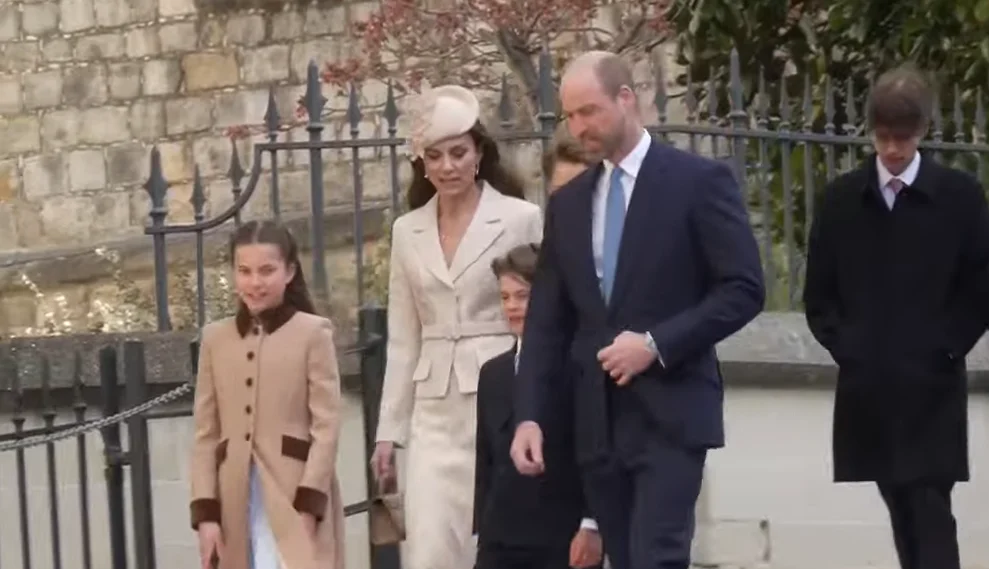
Leading the royal procession to the chapel doors were the Prince and Princess of Wales, accompanied by their three children: Prince George, aged 12, Princess Charlotte, aged 10, and Prince Louis, aged 7. The presence of the younger royals, particularly Prince Louis, often a source of public delight with his expressive nature, underscored the family’s commitment to passing down traditions and values to the next generation. Their walk to the chapel, a short but symbolically important journey, was met with enthusiastic waves and cheers from the gathered well-wishers, many of whom had braved the elements to catch a glimpse of their beloved royals.
The Prince and Princess of Wales, often seen as the modern face of the monarchy, have consistently demonstrated a dedication to public duty and family life. Their participation in the Easter service, alongside their children, further solidified their role as key figures within the Royal Family, embodying a blend of tradition and contemporary relevance.
Extended Family Joins the Celebration
Following closely behind the Prince and Princess of Wales were the Princess Royal, Princess Anne, and her husband, Sir Tim Laurence. Their presence highlighted the continued active involvement of senior royals in public engagements.
Notably, this year’s Easter celebration marked the first appearance at such a high-profile royal event for Harriet Sperling, the soon-to-be daughter-in-law of Princess Anne. Ms. Sperling accompanied her fiancé, Peter Phillips, the eldest son of Princess Anne, and his two daughters, Savannah and Isla. The announcement earlier in the week of Peter Phillips and Harriet Sperling’s wedding date, set for June 6th in Kemble, near Cirencester, added an extra layer of anticipation and joy to the occasion. This upcoming royal wedding promises to be a significant social event, further integrating new members into the extended Royal Family circle.
A Moment of Familial Affection
An touching moment unfolded as the royals lined up to greet the clergy awaiting them at the chapel entrance. Princess Anne, known for her steadfast demeanor, displayed a moment of tender reassurance towards her nephew, James, Earl of Wessex. As James, accompanied by his father, the Duke of Edinburgh, appeared to defer to his aunt, Princess Anne gently placed a hand on his arm, signaling for him to proceed into the chapel first. This subtle gesture underscored the supportive and familial bonds within the monarchy, even amidst formal proceedings.
Notable Absences and Underlying Context
As anticipated, Princess Beatrice and Princess Eugenie were not present at the Easter celebrations. This absence is understood to be linked to the ongoing investigations surrounding their father, Prince Andrew. Earlier in the year, Prince Andrew was arrested in connection with allegations of misconduct in public office, though he was later released under investigation. It is understood that he is spending the Easter period at his new residence on the Sandringham estate, a move that allows for a degree of privacy during this sensitive time. The decision by his daughters to maintain a lower profile during public royal events reflects the complexities and sensitivities surrounding their family circumstances.
The King’s Arrival and Warm Receptions
The arrival of King Charles and Queen Camilla marked the culmination of the family’s procession. Driven to the chapel, their appearance was met with a jubilant atmosphere. The King, visibly delighted to be reunited with his family, offered a kiss to the Prince and Princess of Wales and their children, a tender gesture that resonated with onlookers. He also appeared to share a lighthearted moment with Prince William at the chapel entrance, further demonstrating the relaxed and convivial atmosphere among the family members.
A Special Bond with Prince Louis
The most evident display of the King’s joy was reserved for his youngest grandson, Prince Louis. Upon seeing the seven-year-old, the King’s face broke into a broad smile, and he affectionately patted the young prince on the shoulder. This visible affection between grandfather and grandson is well-documented, with Prince Louis famously having asked to sit on his grandfather’s lap during the Platinum Jubilee concert for Queen Elizabeth II. Their close bond is a heartwarming aspect of the Royal Family’s public narrative.
A Familiar Face Among the Royals
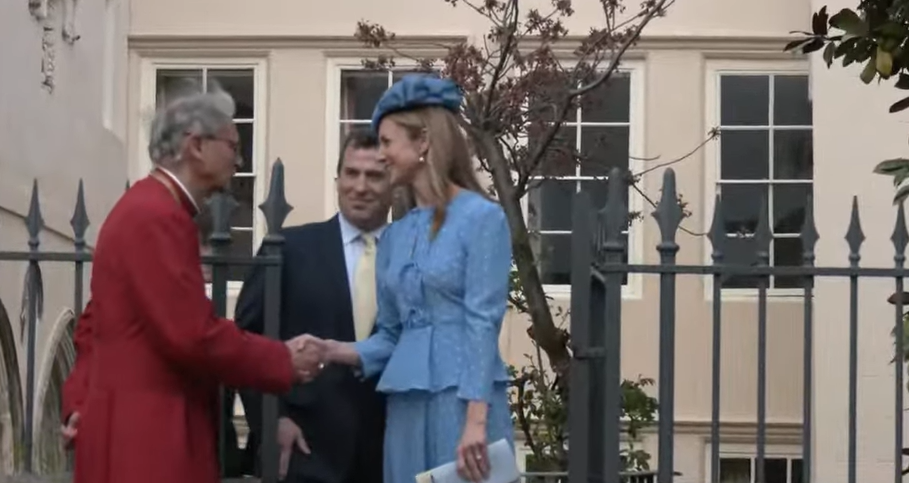
Also present was one of King Charles’s favorite cousins, Lady Sarah Chatto, daughter of the late Princess Margaret. Lady Sarah, accompanied by her husband Daniel, her presence adding another layer of familial connection to the Easter gathering. Her attendance highlights the enduring ties between different branches of the Royal Family.
Post-Service Engagements and Public Interaction
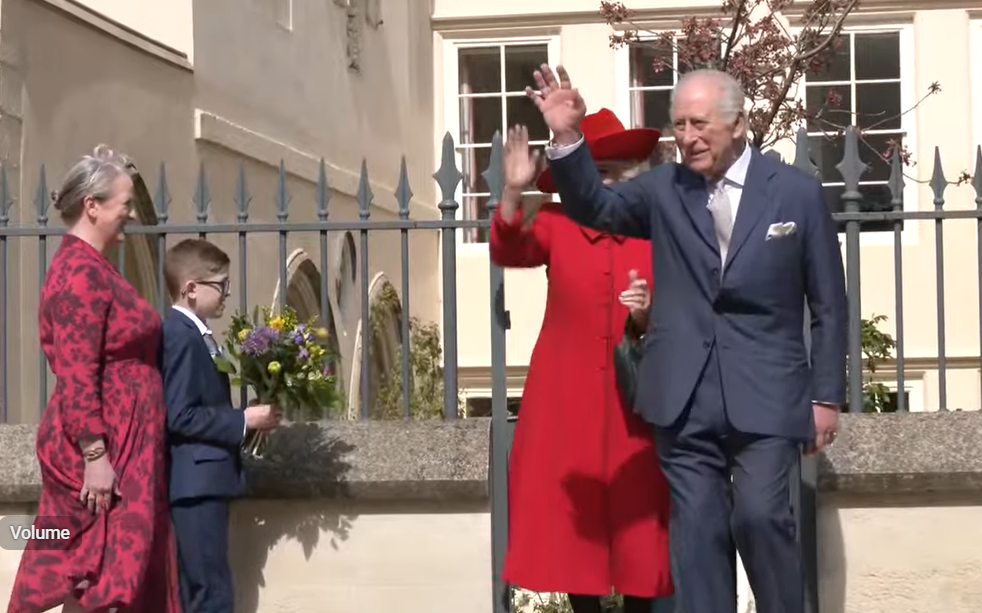
Following the conclusion of the Easter service, Queen Camilla was presented with a vibrant bouquet of spring flowers, a thoughtful gesture from the clergy and a symbol of the season. Subsequently, both the King and Queen Camilla engaged with members of the public who had gathered outside the chapel.
The Queen extended a warm "Happy Easter" to the well-wishers, and for several minutes, she and King Charles engaged in conversation, demonstrating their continued commitment to connecting with the people they serve. This interaction followed a similar engagement earlier in the week during the traditional Maundy Thursday service in St. Asaph, where the couple also received a warm reception from the public. These walkabouts are crucial for maintaining a visible and accessible monarchy, fostering a sense of connection and shared national identity.
A Farewell and Continued Celebrations
As the King and Queen departed in their car, the Prince and Princess of Wales and their children remained to wave them off. The Wales family then made their way back to the castle, where the Royal Family was expected to continue their Easter celebrations privately, rounding off a day marked by religious observance, family unity, and public engagement. The Easter Sunday service at Windsor Castle served not only as a religious commemoration but also as a powerful symbol of the continuity and resilience of the British monarchy.