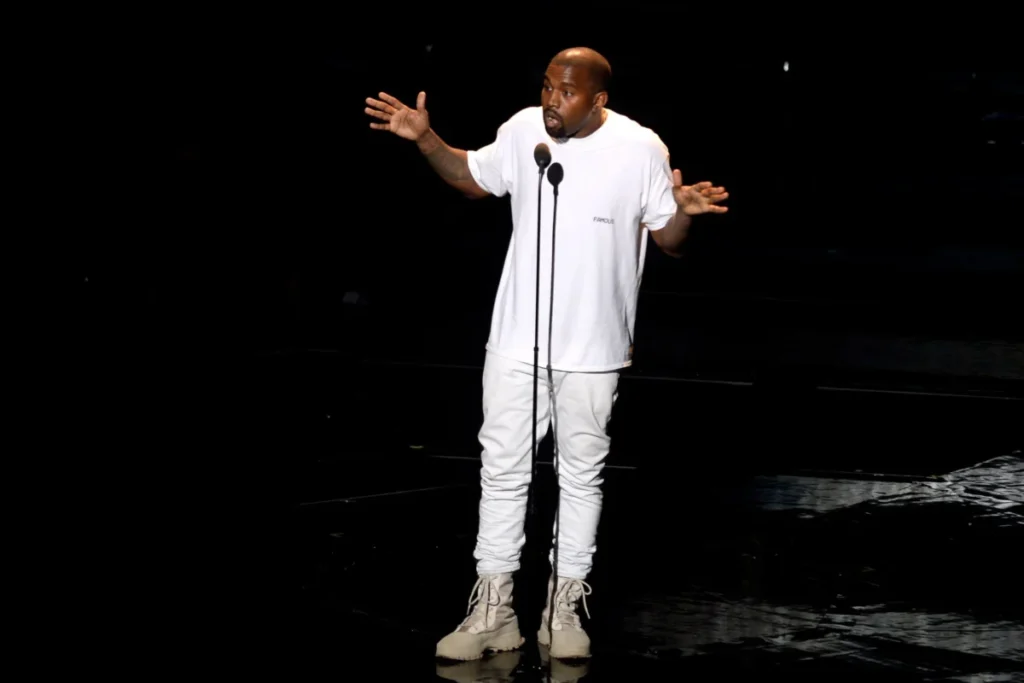

The British government is facing mounting pressure to prohibit American rapper Kanye West, also known as Ye, from entering the United Kingdom to perform at the upcoming Wireless Festival in London. The controversy stems from West’s documented history of antisemitic remarks and admiration for Adolf Hitler, which has led to widespread condemnation from political figures, Jewish community organisations, and the withdrawal of major corporate sponsors from the festival. As July approaches, the Home Secretary, Shabana Mahmood, is at the centre of calls to exercise her powers under immigration law, arguing that West’s presence would not be "conducive to the public good."
The Wireless Festival Booking and Immediate Backlash
Wireless Festival, one of the UK’s most prominent urban music events, announced Kanye West as a headliner for all three nights of its July iteration at Finsbury Park, London. This decision immediately ignited a firestorm of criticism. Labour leader Sir Keir Starmer publicly voiced his dismay, describing the booking as "deeply concerning." His comments were echoed across the political spectrum, highlighting the severity with which West’s recent conduct is being viewed in the UK.
The repercussions for Wireless Festival were swift and significant. Several high-profile sponsors, including beverage giant Pepsi and spirits conglomerate Diageo, quickly announced their withdrawal of support following West’s inclusion in the lineup. While their logos remained visible on the festival’s official website for a period, their public dissociation sent a clear message about the reputational risks associated with West. Furthermore, PayPal, a key payment partner for the annual rap and hip-hop festival, reportedly indicated it would no longer feature in any future promotional materials, underscoring the broad commercial disquiet surrounding the booking. Such withdrawals inflict not only financial penalties but also significant reputational damage on event organisers, forcing a re-evaluation of artist selection processes in an increasingly scrutinised public sphere.

Political and Community Calls for a Ban
The demand for a governmental ban on West’s entry is spearheaded by a coalition of politicians and advocacy groups. Shadow Home Secretary Chris Philp vehemently urged Home Secretary Shabana Mahmood to utilise her statutory powers under the Immigration Act to refuse West a visa. Philp did not mince words, stating that West was "guilty of appalling antisemitic and pro-Nazi comments," and challenged Ms. Mahmood to demonstrate her stated commitment to fighting antisemitism.
The Campaign Against Antisemitism (CAA), a prominent UK-based charity, has been particularly vocal. In a statement posted on X (formerly Twitter), the CAA reiterated the government’s authority to bar any non-citizen whose presence is deemed "not conducive to the public good," asserting that West’s case unequivocally fits this criterion. They noted the Prime Minister’s previous expression of concern regarding Wireless’s decision, but emphasised that political leaders, including Sir Keir Starmer, were "not bystanders" in this situation, implying a need for concrete action beyond mere verbal condemnation.
Further parliamentary pressure came from Labour backbencher Rachael Maskell, who explicitly called for West to be banned. Maskell argued that West "should not be allowed to come to our country to perform in the light of the antisemitic comments that he has made and recorded," reinforcing the sentiment that artists with a history of hate speech should not be afforded platforms in the UK.
Kanye West’s Trajectory of Controversy: A Chronology
Kanye West’s journey into widespread controversy, particularly concerning antisemitism, intensified significantly from late 2022. This period marked a dramatic shift from his previous contentious remarks, which had often revolved around racial injustice or political statements.
- October 2022: West began making a series of antisemitic statements on social media and in interviews. He was temporarily restricted from Instagram and Twitter (now X) for posts that were widely condemned as antisemitic. One notable instance involved a tweet threatening to go "death con 3 On JEWISH PEOPLE." These remarks swiftly led to the termination of his lucrative partnership with Adidas, a collaboration estimated to be worth billions. Gap and Balenciaga also severed ties, leading to a significant decline in his personal net worth and a massive commercial backlash.
- December 2022: In an interview with conspiracy theorist Alex Jones, West openly expressed admiration for Adolf Hitler and denied the Holocaust. He stated, "I see good things about Hitler," and "Every human being has something of value that they brought to the table, especially Hitler." During this period, he also posted an image on X depicting a swastika intertwined with a Star of David, which led to another suspension from the platform. He later released a song titled "Heil Hitler" and advertised a swastika T-shirt on his website, further cementing concerns about his ideology.
- Early 2023: Following the intense backlash, West’s public appearances became less frequent, and he largely withdrew from mainstream media. His behaviour was often attributed by his team and himself to his publicly acknowledged bipolar disorder, a diagnosis he has spoken about in the past.
- January 2024: West took out a full-page advertisement in The Wall Street Journal titled "To Those I’ve Hurt," offering an apology. In the letter, he stated, "I am not a Nazi or an antisemite," attributing his actions to a "four-month-long, manic episode of psychotic, paranoid and impulsive behaviour that destroyed my life." This apology was met with mixed reactions, with some questioning its sincerity given his past pattern of controversial statements and retractions. Many in the Jewish community found the apology insufficient or too late, especially given the profound damage his statements had caused.
This detailed chronology underscores the consistent and severe nature of West’s antisemitic rhetoric, which forms the core justification for the current calls for a UK entry ban. His last performance in the UK was as a headliner at Glastonbury in 2015, long before the recent controversies erupted.
The Legal Framework: "Not Conducive to the Public Good"
The power to ban individuals from entering the UK is vested in the Home Secretary under the Immigration Act 1971. Section 3(1)(b) of the Act allows the Home Secretary to refuse leave to enter to a person if they consider their presence in the UK to be "not conducive to the public good." This is a broad discretionary power, often exercised in cases involving individuals deemed to pose a threat to national security, public order, or those who promote hatred, extremism, or violence.
Precedents for such bans exist, particularly concerning individuals known for hate speech or extremist views. While each case is assessed on its own merits, the explicit and repeated nature of West’s antisemitic remarks and his public admiration for Hitler provide a strong basis for the argument that his presence could indeed be detrimental to public good, particularly in a society grappling with rising antisemitism. The Home Secretary’s decision would involve weighing the right to freedom of expression against the need to protect communities from hate speech and maintain public order.

Notably, the Mayor of London’s office had already refused permission for a Kanye West concert to be staged at the London Stadium in Stratford earlier this summer. Sources close to the decision cited "community concerns and the reputational impact on the city" as primary reasons, indicating a pre-emptive measure to prevent a similar controversy. This decision by a major civic authority further strengthens the case for a national ban, demonstrating a collective concern about West’s public persona and its potential ramifications.
Broader Context: Rising Antisemitism in the UK
The calls to ban Kanye West are not occurring in a vacuum but against a deeply troubling backdrop of increasing antisemitism in the UK. Data from organisations like the Community Security Trust (CST) consistently report a rise in antisemitic incidents, particularly following periods of heightened conflict in the Middle East.
Recent events underscore the gravity of the situation:
- March 2024: Four ambulances belonging to Hatzola, a Jewish community-run emergency medical service in north-west London, were deliberately set on fire. Two men and a 17-year-old boy were subsequently remanded in custody, accused of the arson. This incident sent shockwaves through the Jewish community, highlighting vulnerabilities and the reality of targeted attacks.
- October 2023: Two men were killed in an attack on a Manchester synagogue. While the specifics of the attack are distinct, it contributed to an atmosphere of fear and concern within Jewish communities across the UK.
These incidents demonstrate a tangible threat and underscore the heightened sensitivity surrounding any public figure perceived to be promoting antisemitic narratives. Jewish community organisations, including the Board of Deputies of British Jews, the representative body for the UK Jewish community, have strongly condemned Wireless Festival’s decision. Phil Rosenberg, President of the Board of Deputies, explicitly called it the "wrong decision" and urged the government to consider barring West’s entry, echoing the sentiments of many within the community who feel that providing a platform to an individual with West’s history would be deeply offensive and potentially incite further hatred.

Implications and the Ongoing Debate
The debate surrounding Kanye West’s potential UK ban touches upon fundamental principles of free speech, the responsibilities of cultural institutions, and the boundaries of artistic expression. While proponents of free speech argue against censorship, critics contend that hate speech, particularly that which targets a minority group, crosses a line that warrants intervention. The Home Secretary’s decision will set a significant precedent for how the UK navigates the complexities of hosting international artists with controversial pasts, especially when those controversies involve hate speech.
Wireless Festival has been approached for comment regarding the withdrawals of sponsors and the calls for a ban, but no public statement has yet been issued regarding a potential change to West’s headline status. The situation remains fluid, with public pressure and political scrutiny continuing to mount. The Home Office has also been approached for comment on the matter, indicating that a formal decision regarding West’s visa status is keenly anticipated and could profoundly impact not only the festival but also the broader discourse on combating antisemitism in the UK. The resolution of this issue will be closely watched, not just by music fans and political commentators, but by communities across the UK who are invested in ensuring a safe and inclusive environment for all.