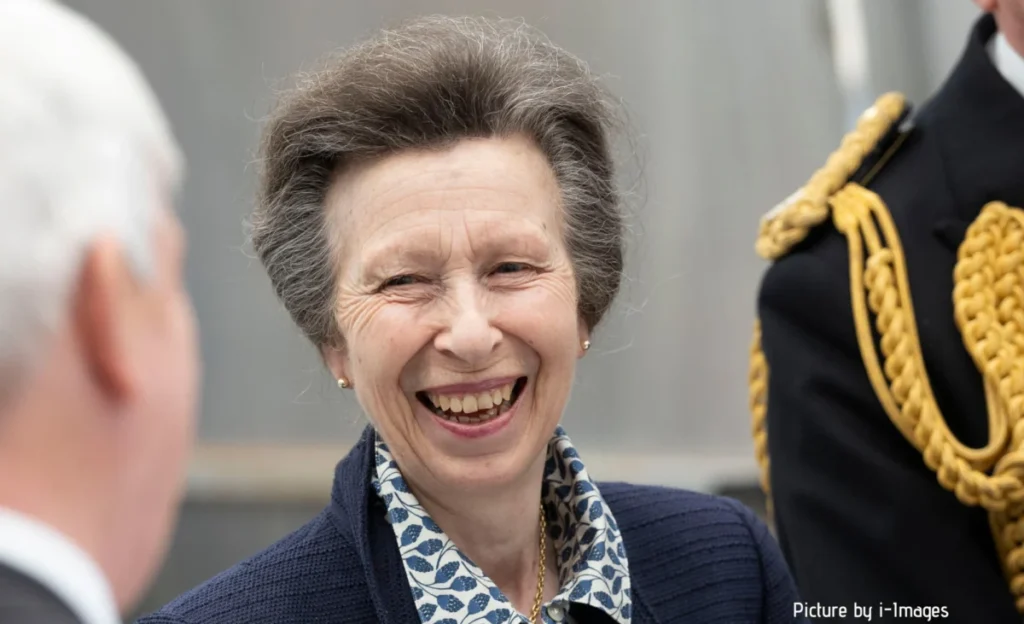

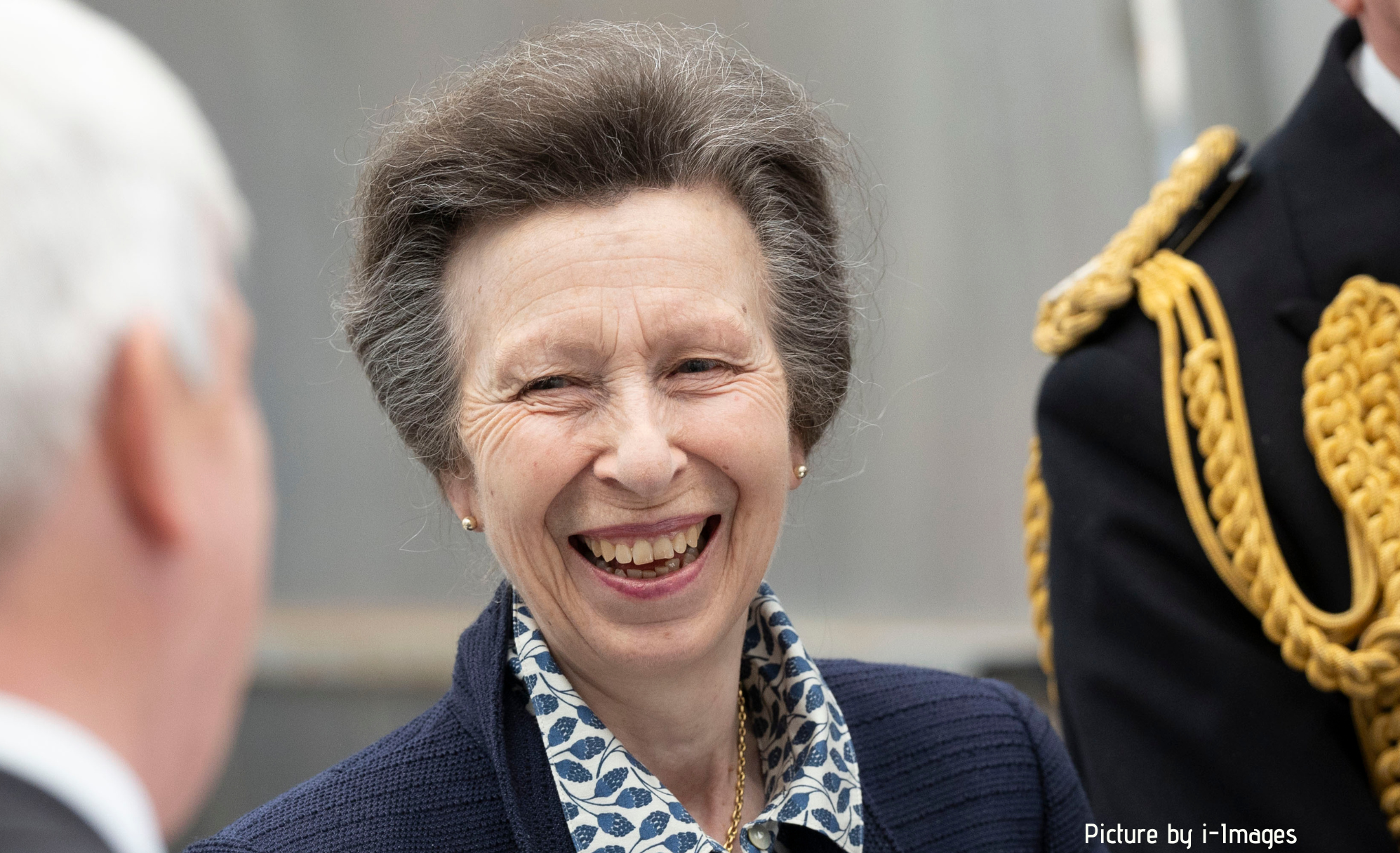
The Princess Royal demonstrated her customary grace and experience at St. George’s Chapel on Easter Sunday, stepping in to assist her nephew, the Earl of Wessex, with a moment of royal protocol. The annual Easter service, a significant occasion for the British Royal Family, saw a notable assembly at Windsor, albeit with a few notable absences. While King Charles and Queen Camilla led the procession, the presence of Princess Anne, alongside her steadfast adherence to tradition and support for younger family members, offered a poignant glimpse into the continuity of royal duties.
The Earl of Wessex, James, walked to the chapel accompanied by his father, the Duke of Edinburgh. However, his mother, the Duchess of Edinburgh, and his elder sister, Lady Louise Mountbatten-Windsor, were conspicuously absent. A spokesperson for the family indicated that the Duchess of Edinburgh was "under the weather," leading to her unavoidable absence from the service. Lady Louise, meanwhile, is understood to be fully immersed in preparations for her final examinations at the University of St. Andrews, a crucial academic milestone for the young royal.
The delicate moment of protocol unfolded as the royals were welcomed by clergy members outside the historic chapel. As James and Princess Anne prepared to offer handshakes, the young Earl, who celebrated his 18th birthday in December, instinctively stepped back, offering precedence to his aunt. In a subtle yet telling gesture, Princess Anne gently reached out to the Earl, guiding him forward with a quiet explanation, allowing him to take the lead in greeting the welcoming officials. This interaction underscored not only the Princess Royal’s adherence to established etiquette but also her supportive role within the extended family, ensuring younger members feel comfortable and confident in their public duties.
Princess Anne’s attendance was further strengthened by the presence of her husband, Sir Tim Laurence, and her son, Peter Phillips. Mr. Phillips was accompanied by his fiancée, Harriet Sperling, marking her first participation in the Royal Family’s Easter celebrations. The couple, who announced their upcoming wedding earlier in the week, are set to exchange vows in a church ceremony on June 6th, adding a joyous personal milestone to the royal calendar.
The Duchess of Edinburgh’s absence from the Easter service followed her missing another significant royal event: the State Banquet held for the President of Nigeria, Bola Tinubu. This banquet marked a historic occasion, as President Tinubu became the first Nigerian leader to undertake a State Visit to the UK in 37 years. The Duchess had recently returned from a demanding schedule of overseas engagements, including high-profile trips to New York and Italy, where she supported Team GB’s Paralympians. Despite these absences from public events, the Duchess of Edinburgh has a full schedule of engagements planned for the post-Easter period, including a reception at St. James’s Palace in London, indicating her continued commitment to her royal responsibilities.
Beyond the immediate family circle, other significant absences were noted at the Windsor gathering. Princess Beatrice and Princess Eugenie, daughters of the Duke of York, had previously confirmed their plans to spend Easter away with their respective families. Their father, Prince Andrew, spent the weekend at his new residence on the Sandringham estate. His presence at Sandringham comes after a period of considerable public scrutiny, following his arrest on suspicion of misconduct in public office in February at the same estate.
King Charles, visibly present and engaged, led the Royal Family in the Easter celebrations. He arrived at St. George’s Chapel by car alongside Queen Camilla. The Prince and Princess of Wales, Prince William and Catherine, had arrived slightly earlier, walking to the chapel with other members of the family, including Prince Edward, the Earl of Wessex, and Princess Anne.
A particularly heartwarming moment was observed between King Charles and his youngest grandson, seven-year-old Prince Louis. Upon spotting the young prince as he entered the chapel, the King offered a warm pat on the arm, a gesture of paternal affection. Prince George, aged 12, and Princess Charlotte, aged 10, also received a loving acknowledgement from their grandfather, who blew them a kiss upon his arrival at Windsor. These interactions highlight the personal bonds within the family, even amidst the formal setting of a state occasion.
The Significance of Easter Sunday for the Monarchy
Easter Sunday holds a place of considerable historical and religious importance for the British Royal Family. The annual attendance at St. George’s Chapel, Windsor Castle, is a tradition that has been observed for generations, symbolizing continuity, faith, and the monarch’s role as the Supreme Governor of the Church of England. The event serves as a public affirmation of the Royal Family’s commitment to their religious duties and their connection to the nation’s spiritual heritage.
The choice of St. George’s Chapel as the venue is also steeped in tradition. It is the spiritual home of the Order of the Garter, Britain’s oldest order of chivalry, and the burial place of several monarchs, including Queen Elizabeth II and Prince Philip. Its grandeur and historical significance provide a fitting backdrop for a service attended by the most senior members of the Royal Family.
A Look at the Royal Engagements and Commitments
The Easter service, while a key event, is just one facet of the demanding schedule undertaken by working royals. Princess Anne, renowned for her tireless work ethic, consistently ranks among the most active royals, undertaking hundreds of engagements each year. Her presence at the Easter service, alongside her participation in various charitable and patronages throughout the year, exemplifies her dedication to public service.
Prince Edward, the Duke of Edinburgh, and his wife, Sophie, the Duchess of Edinburgh, have also been increasingly prominent in royal duties, particularly following the passing of Queen Elizabeth II. The Duchess’s recent overseas travel, while demanding, reflects the growing importance of the UK’s international relationships and the role royals play in fostering diplomatic ties and promoting British interests abroad. Her temporary indisposition, though unfortunate, is a reminder of the human element within the royal sphere, even for those accustomed to rigorous travel and public life.
Examining Notable Absences and Their Implications
The absence of Princess Beatrice and Princess Eugenie, while explained by their desire for private family time, also points to a broader trend of younger royals carving out their own paths. While they remain in the line of succession, their public roles and participation in major family events can vary, reflecting a modern approach to royal service that allows for more personal flexibility.
The ongoing public attention surrounding Prince Andrew and his past controversies continues to cast a shadow. His decision to reside at Sandringham, away from the immediate London spotlight, suggests a period of recalibration for the Duke. His past legal issues and the ongoing investigations continue to be a sensitive subject for the institution, and his limited public appearances underscore this.
The Future of Royal Traditions and Modernization
The Easter Sunday service at Windsor offers a compelling juxtaposition of tradition and contemporary life within the Royal Family. Princess Anne’s gentle guidance of her nephew exemplifies the seamless passing of tradition and duty from one generation to the next. The presence of new members, like Harriet Sperling, signifies the evolving nature of the Royal Family, embracing new individuals and integrating them into its historic fabric.
The Royal Family, under the reign of King Charles III, is navigating a period of significant transition. While maintaining core traditions like the Easter service remains vital, there is also an ongoing subtle evolution in how these events are conducted and who participates. The focus remains on projecting an image of duty, service, and continuity, while also acknowledging the personal lives and developing roles of its members. The events of Easter Sunday at Windsor provided a clear illustration of these dynamics, showcasing both the enduring legacy of the monarchy and its capacity for adaptation. The Princess Royal’s quiet display of familial support and adherence to protocol served as a reminder of the foundational values that continue to underpin the institution.