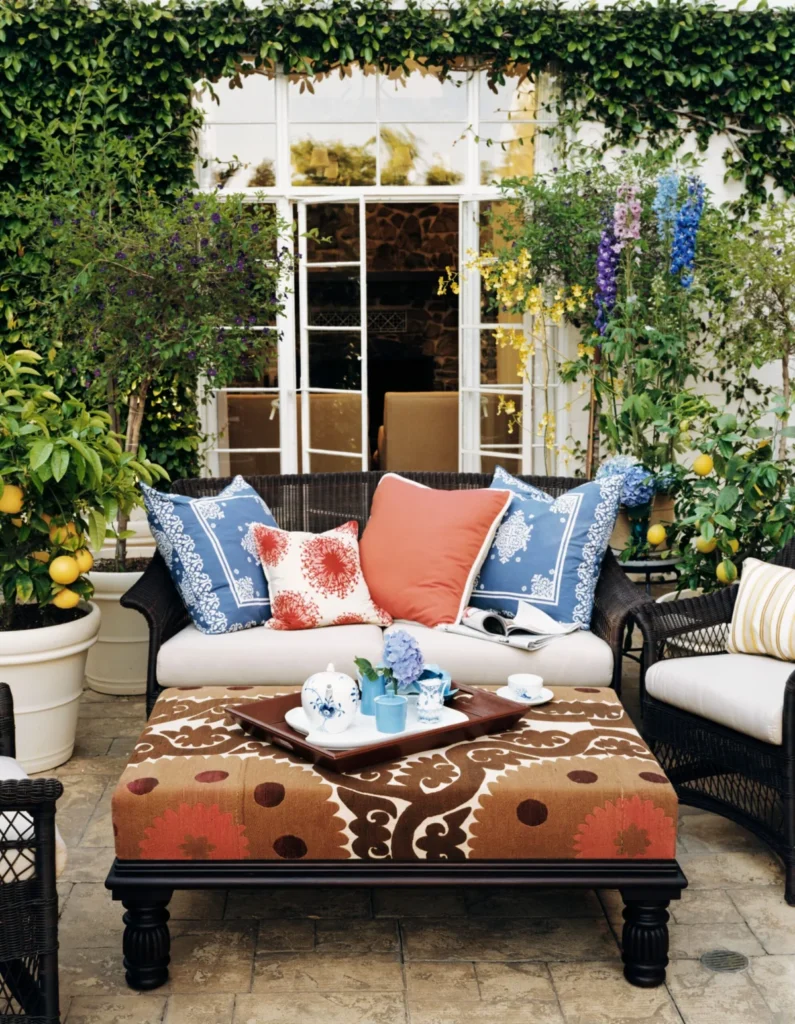

Outdoor living has transitioned from a seasonal luxury to a primary design focus for homeowners and urban renters alike, driven by a global shift toward maximizing residential square footage. As urban density increases and the "outdoor room" concept becomes a staple of modern architecture, the demand for small-scale, high-design furniture has surged. This evolution is most visible in the rise of the outdoor loveseat—a piece of furniture that challenges the traditional limitations of balconies, terraces, and compact patios. By prioritizing intentionality over sheer volume, designers are proving that restricted square footage can serve as a catalyst for more thoughtful, sophisticated design.

The current market reflects a significant departure from the bulky, utilitarian sets of the past. According to recent industry analysis, the global outdoor furniture market is projected to grow at a compound annual growth rate (CAGR) of approximately 5% through 2030, with a notable segment of that growth attributed to compact, modular designs suitable for metropolitan living. This shift is being led by brands approved by AD100 designers—the industry’s gold standard for excellence—and is characterized by a blend of interior-grade aesthetics and extreme weather durability.
The Shift Toward Organic Silhouettes and Modularity
A defining trend in the 2024 outdoor market is the upsurge in curved loveseats. Historically, outdoor furniture relied on rigid, rectangular frames that often felt disconnected from the natural environment. The move toward rounded edges and sculptural forms, such as the Bal Harbour design from Arhaus and the Galleria sofa from Crate & Barrel, represents a psychological shift in how we perceive outdoor flow.

Curved designs are not merely aesthetic choices; they are functional solutions for small spaces. By removing sharp corners, these pieces promote a more natural movement within a confined area, making a small balcony feel less obstructed. Furthermore, many of these silhouettes are designed with modularity in mind, allowing them to stand alone as a primary focal point or integrate into larger configurations if a homeowner eventually moves to a more expansive property. This "future-proofing" of furniture is a key consideration for the modern consumer who values both style and long-term utility.
Interior-Exterior Fluidity: The Influence of High-End Design
The distinction between indoor and outdoor furniture is blurring at an unprecedented rate. Leading designers, including Heidi Callier and Mandy Cheng, have increasingly treated patios as direct extensions of the living room. This is achieved through the use of sophisticated textiles, bold patterns, and color palettes that were once reserved for interior upholstery.
.jpeg)
Celebrity influence has also played a role in this aesthetic shift. High-profile homes, such as those belonging to Kendall Jenner, have showcased outdoor spaces that prioritize comfort and personality over standard weather-resistant tropes. This has cleared the way for trends like "Unexpected Red Theory"—the design concept where a single pop of red can elevate a space’s entire visual profile. The Knoll Lissoni Outdoor Sofa, designed by Italian architect Piero Lissoni, exemplifies this, offering deep seats and vibrant upholstery that transform a backyard into a "living room under the open sky."
Material Innovation and the Longevity of Teak
While aesthetics drive initial interest, durability remains the cornerstone of the outdoor furniture industry. High-end manufacturers are increasingly turning to sustainably sourced teakwood and high-performance fabrics like Sunbrella to ensure longevity. Teak, valued for its natural oils and resistance to rot, remains the gold standard for luxury outdoor pieces.
.jpeg)
The Castlery Rio Outdoor Teak Loveseat and the Neighbor Terra Loveseat are prime examples of this focus on material integrity. Industry experts note that as consumers become more environmentally conscious, the "fast furniture" model is being replaced by an investment mindset. Buyers are willing to pay a premium for pieces that will withstand the elements for a decade or more. Neighbor, a brand frequently cited by AD100 designer Mandy Cheng, has gained a reputation for creating staples that incorporate tasteful amounts of color without appearing dated, utilizing rounded edges and durable fabrics that can withstand heavy use, including the rigors of households with children and pets.
The Economic and Demographic Drivers of Compact Luxury
The demand for premium outdoor loveseats is closely tied to broader demographic shifts. As of 2023, more than 50% of the world’s population lives in urban areas, a figure expected to rise to nearly 70% by 2050. In cities like New York, London, and Tokyo, outdoor space is a rare and expensive commodity. Consequently, the "loveseat" has become the primary seating solution for the urban elite.
.jpeg)
The Article Daphne Outdoor Sofa and the West Elm Westport Wicker Outdoor Sofa address this specific market need. By offering sculptural, armless, or low-slung designs, these brands allow users to maximize seating capacity without overwhelming the visual field. The armless design of the Daphne, for instance, allows it to accommodate three adults in a footprint typically reserved for two, providing a "sculptural pick" that balances form and function.
Portability and the Renter’s Market
A burgeoning sub-sector of the outdoor market is dedicated to portability and temporary living. For the millions of people living in high-end rentals or co-ops with shared outdoor access, heavy, permanent furniture is often impractical. This has led to the success of high-design folding options, such as the HAY Outdoor Market Folding Sofa.
.jpeg)
This piece, characterized by a Scandinavian aesthetic and a minimal frame, can be stored flat or transported in a carrier bag. It represents a "market folding" revolution where style is no longer sacrificed for convenience. Analysts suggest that this category of furniture will continue to grow as the "nomadic" lifestyle of young professionals persists, requiring pieces that can easily transition between different living environments.
Analysis of Market Implications and Broader Impact
The premiumization of small-scale outdoor furniture has several long-term implications for the home decor industry:
.jpeg)
- Increased Property Value: Real estate data suggests that well-designed outdoor spaces can increase a property’s value by up to 20%. As high-quality loveseats become more accessible, even small balconies are being viewed as significant assets in property appraisals.
- Sustainability and Ethics: The shift toward durable materials like FSC-certified teak and recyclable metals reflects a broader corporate responsibility trend. Brands that fail to provide transparency regarding their material sourcing are likely to lose market share to more ethical competitors like Neighbor and Arhaus.
- Technological Integration: While not yet mainstream in loveseats, we are seeing the beginning of integrated technology in outdoor furniture, including built-in lighting and weather-resistant charging ports. As the loveseat becomes the "outdoor office," these features will likely become standard.
- Cultural Shift in Entertaining: The move toward "conversation-driven" layouts—evidenced by the rise of curved sofas and central fire pits—suggests a cultural return to intimate, face-to-face social interaction. This is a direct response to the digital fatigue experienced by many modern consumers.
Chronology of Modern Outdoor Design Trends
To understand the current state of the market, one must look at the timeline of outdoor furniture evolution:
- Pre-2010: Outdoor furniture was largely viewed as secondary, characterized by wrought iron or basic plastic sets focused solely on utility.
- 2010–2019: The "Outdoor Living" boom began. High-end brands started experimenting with weather-resistant versions of their indoor bestsellers.
- 2020–2022: The pandemic accelerated the need for functional outdoor spaces. Demand for high-quality, comfortable seating skyrocketed as backyards became primary social hubs.
- 2023–Present: The "Refinement Era." The focus has shifted to small-space optimization, sculptural beauty, and interior-grade textiles. The loveseat has emerged as the hero of the urban terrace.
In conclusion, the best outdoor loveseats of 2024 represent a intersection of architectural precision and domestic comfort. Whether it is the vintage flair of Crate & Barrel’s Anglo-French-inspired Galleria or the minimalist, portable appeal of HAY’s folding sofa, the industry is moving toward a future where "modest" square footage no longer requires a modest design. By investing in high-quality materials and intentional silhouettes, consumers are reclaiming their outdoor spaces as essential, stylish, and highly functional extensions of their homes.