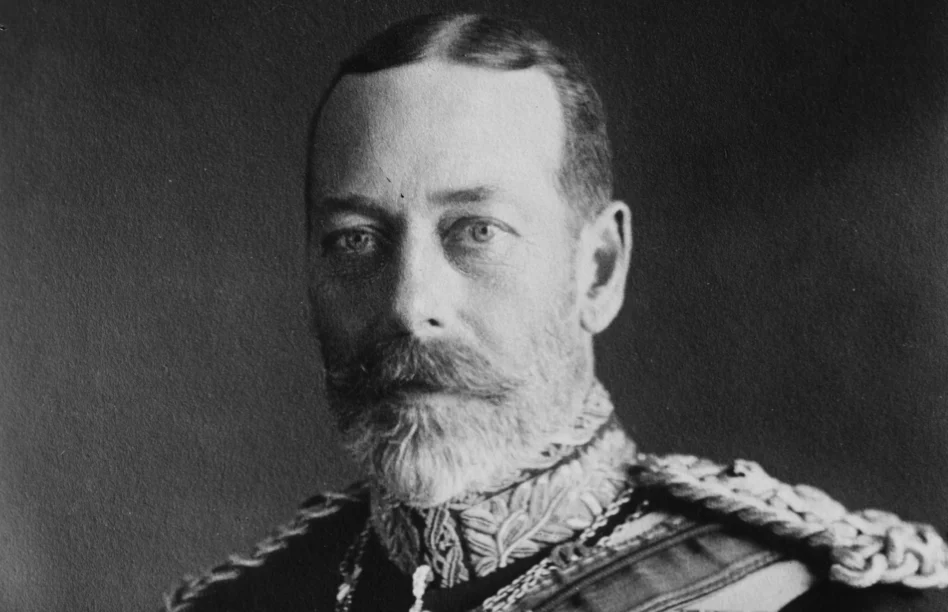

The Letters Patent issued by King George V in 1917, a seemingly procedural decree, proved to be a pivotal moment in the history of the British monarchy, reshaping the very definition of who held royal titles and influencing the destinies of generations. While these letters have recently resurfaced in public discourse surrounding the titles of various royal family members, their initial and profound impact was felt by none other than the late Queen Elizabeth II herself, whose own royal appellation was directly dictated by her grandfather’s decree. This article delves into the historical context, implications, and enduring legacy of George V’s landmark decision to define and, in many ways, limit royal titles.
The Genesis of the 1917 Letters Patent: A Royal Image Overhaul
The early 20th century was a period of immense upheaval, both politically and socially. The outbreak of the First World War in 1914 brought with it a surge of nationalistic sentiment across Britain. This fervent patriotism created an uncomfortable dissonance with the prevailing royal surname, Saxe-Coburg-Gotha, a clear vestige of German heritage. King George V, acutely aware of the need to solidify his family’s connection with the British people and to project an image of unwavering Britishness, initiated a significant rebranding of the Royal House.
In 1917, amidst the ongoing conflict, the King took the decisive step of officially changing the dynastic name from Saxe-Coburg-Gotha to Windsor. This act was more than a mere name change; it was a deliberate severing of ties with a perceived foreign identity, aimed at fostering a stronger sense of national unity and loyalty to the Crown. The Letters Patent of December 11, 1917, were a natural and necessary extension of this strategic image management, serving to codify and clarify the royal lineage and the associated privileges and titles.
Defining Royalty: The Rules of Succession and Title
The 1917 Letters Patent were not arbitrary pronouncements but rather a meticulous attempt to establish a clear hierarchy and to regulate the conferral of royal titles. At their core, these letters stipulated that the style of HRH (His or Her Royal Highness) and the title of Prince or Princess would, in principle, be reserved for the children of the Sovereign, the children of the sons of the Sovereign, and the elder living son of the Prince of Wales. This meant that grandchildren through the male line were generally to be granted these elevated titles.
However, the pragmatic nature of royal governance meant that these rules were not immutable. Over time, subsequent monarchs have issued further Letters Patent to amend and adapt the 1917 decree, ensuring that future generations of the Royal Family would not be born without any royal designation at all. This ongoing evolution highlights the delicate balance between maintaining tradition and ensuring the continuity and relevance of the monarchy.
The First Grandchild in the Male Line: A New Precedent
The direct application of George V’s 1917 rules became evident in the lives of his grandchildren. The King and Queen Mary first experienced the joys of grandparenthood in 1923 with the birth of their eldest grandson, George Lascelles, son of their only daughter, Princess Mary. As Princess Mary’s children were grandchildren through the female line, they took their titles from their father, Viscount Lascelles. Consequently, they were styled as the Honourable George and Gerald Lascelles, rather than bearing the HRH or Prince/Princess appellations.
The year 1926 marked a significant turning point. George V and Queen Mary were anticipating the birth of their second grandchild in the male line. On April 21, 1926, at 17 Bruton Street, Mayfair, a daughter was born to Prince Albert, Duke of York (later King George VI), and his wife, Elizabeth Bowes-Lyon. This baby girl would soon become a beloved figure in the King’s life, affectionately nicknamed "Grandpapa England" by her. Thanks to the provisions of the 1917 Letters Patent, this newborn was granted the style of HRH Princess Elizabeth of York, setting a precedent for future royal grandchildren born through the male line.
A Future Sovereign’s Unforeseen Path
At the time of her birth, Princess Elizabeth of York was not anticipated to ascend to the throne. She was third in line, behind her father, the Duke of York, and his elder, more charismatic brother, Edward, Prince of Wales. The prevailing expectation was that the Prince of Wales would marry, have children, and thus secure the direct male line of succession. Consequently, Princess Elizabeth was expected to play a less prominent role in the future of the monarchy, a "gentle obscurity" as a cousin to the future king.
However, the course of royal history is rarely predictable. The abdication of King Edward VIII in 1936, after less than a year on the throne, dramatically altered the line of succession. His brother, the Duke of York, ascended the throne as King George VI, making HRH Princess Elizabeth the heir presumptive. The baby who was granted her royal title by her grandfather’s decree was now on a path that would lead her to become the reigning monarch.
On February 6, 1952, following the death of her father, King George VI, Princess Elizabeth acceded to the throne, becoming Queen Elizabeth II. The individual who, by virtue of the 1917 Letters Patent, had been styled HRH Princess, now held the ultimate authority to issue her own Letters Patent, thereby shaping the royal landscape for future generations.
Broader Implications and Enduring Legacy
The 1917 Letters Patent represent a significant moment in the institutionalization of the British monarchy. George V’s proactive approach to defining royal titles not only served to solidify the family’s British identity during a critical period but also established a framework that would guide royal succession and privilege for decades.
The decree’s impact extends beyond the immediate conferral of titles. It has been instrumental in shaping the public perception of the Royal Family, creating a clear distinction between those who are born into the direct line of succession and those who are not. This has, in turn, influenced the roles and responsibilities assigned to different members of the family, as well as the public’s understanding of their place within the monarchy.
Moreover, the 1917 Letters Patent have become a recurring point of discussion and debate, particularly in contemporary times when questions surrounding royal titles and their associated privileges arise. The ability of the monarch to issue further Letters Patent underscores the inherent flexibility within the system, allowing for adaptation to changing social norms and the evolving needs of the monarchy.
In retrospect, King George V’s decision to issue the 1917 Letters Patent was a masterstroke of dynastic foresight. It not only weathered a period of national crisis but also laid the groundwork for a future monarch, who, through her own reign, would become a symbol of continuity, stability, and enduring royal tradition. The story of the 1917 Letters Patent is, therefore, intrinsically linked to the story of Queen Elizabeth II herself, a testament to how seemingly bureaucratic decisions can have profound and lasting historical consequences. The legacy of these letters continues to resonate, shaping the understanding and experience of royalty in the United Kingdom and across the Commonwealth.