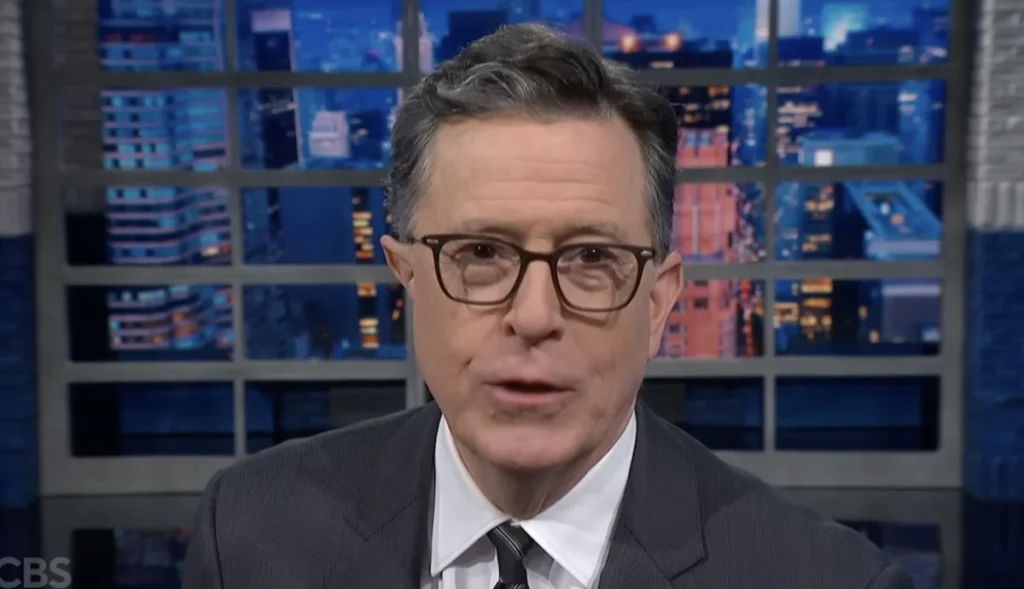

New York, NY – April 1, 2026 – Stephen Colbert, host of CBS’s The Late Show, directed a pointed query towards supporters of President Donald Trump on Tuesday evening, questioning the demographic responsible for a persistent, albeit shrinking, segment of the electorate that continues to express strong approval for the president. This commentary comes in the wake of recently released polling data indicating a significant decline in the president’s overall approval ratings.
During his opening monologue on Tuesday, March 31st, Colbert addressed the latest figures from the University of Massachusetts Amherst, which placed President Trump’s approval rating at 33 percent. He highlighted a specific data point within the poll: that 22.4 percent of Americans "strongly approve" of the president, a statistic he found particularly noteworthy given the broader downward trend.
“The fact that Trump is ruining everything all the time has not helped his popularity,” Colbert remarked, setting the stage for his analysis of the poll. He then elaborated on the UMass Amherst findings, noting the stark contrast between the president’s overall approval and the segment that expresses unwavering support.
To underscore the relative unpopularity indicated by the 33 percent approval rating, Colbert employed a relatable analogy for his studio audience. "One third! That’s only one out of every three people. To put that into perspective, turn to your right. Now turn to your left. Both of those people are more popular than Donald Trump," he quipped, adding a playful "So they did it. You all did it. That was lovely. Thank you."
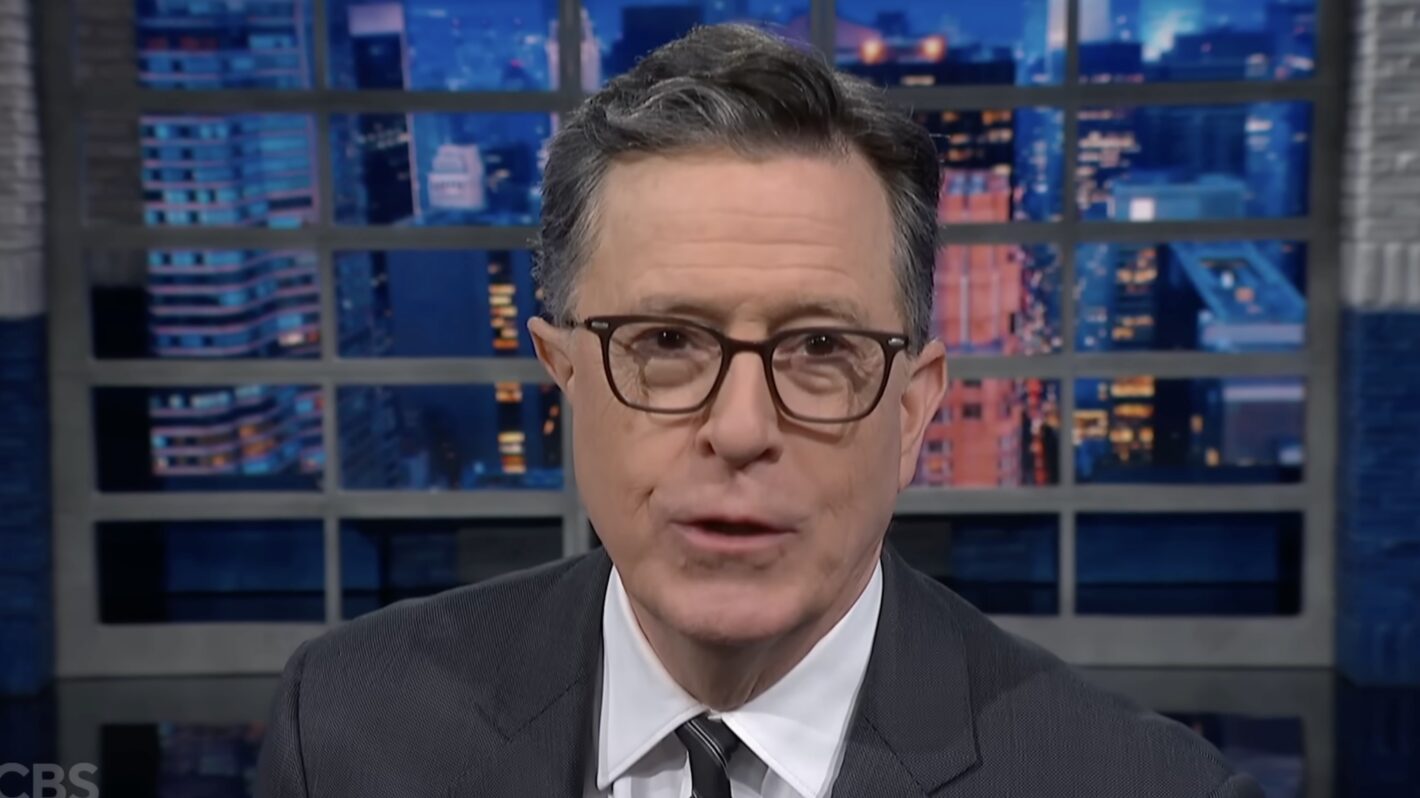
The late-night host further detailed the polling landscape, citing an average of 47.2 percent of Americans who "strongly disapprove" of President Trump, juxtaposed with the aforementioned 22.4 percent who "strongly approve." This disparity formed the crux of his segment, leading him to lean into the camera and directly ask, "Who are you?!"
In a satirical exploration of this dedicated support base, Colbert adopted the persona of a staunch Trump supporter. His comedic portrayal depicted a hypothetical individual whose priorities aligned with what he characterized as an idiosyncratic set of desires. "Well, I want gas to be expensive, I want the Kennedy Center blowed up, and I know this is a pipe dream, but is there any way, maybe, we could get Denmark to hate us. Because I would just love it if the price of licorice went up too," he jested, offering a farcical glimpse into the motivations of those who remain strongly in favor of the president.
Background of Declining Approval Ratings
The timing of Colbert’s commentary is significant, falling within a period of intense scrutiny over President Trump’s performance and policy decisions. Approval ratings for presidents often fluctuate based on a multitude of factors, including economic conditions, legislative successes or failures, foreign policy developments, and public perception of leadership.
Historically, presidential approval ratings are closely watched indicators of public sentiment. A sustained period of low approval can signal challenges for an administration, impacting its ability to enact policy and influencing electoral prospects. For President Trump, this period of declining approval has been a recurring theme, often linked to controversies surrounding his administration, his rhetoric, and specific policy outcomes.
The UMass Amherst poll, released on March 30th, 2026, surveyed a representative sample of American adults. The methodology typically involves a combination of landline and cell phone interviews. While specific details of the poll’s margin of error and demographic breakdowns were not fully elaborated in the initial report, the overall trend of a 33 percent approval rating places the president in a challenging position relative to historical averages for this stage of a presidency.
Analysis of the "Strongly Approve" Demographic
The persistence of a significant bloc of voters who "strongly approve" of President Trump, even as overall approval wanes, presents a complex political phenomenon. This segment of the electorate often represents the most committed and unwavering supporters, less swayed by mainstream media narratives or shifts in public opinion.
Several factors could contribute to this steadfast support:
- Core Ideology and Identity: For some, support for President Trump is deeply intertwined with their political ideology, cultural values, and a sense of identity. These individuals may prioritize issues such as conservative judicial appointments, immigration policies, or a perceived challenge to the political establishment, viewing these as paramount regardless of other outcomes.
- Media Consumption Habits: A portion of this demographic may rely on alternative media sources that reinforce positive perceptions of the president and his policies, while discrediting critical reporting.
- Perceived Economic Benefits: Even if overall economic indicators are mixed, some supporters may feel that the president’s policies have directly benefited them or their communities, leading to continued approval.
- Opposition to Alternatives: For some, strong approval of Trump may be less about unqualified endorsement and more about a strong opposition to any potential alternative candidates or political directions.
The 22.4 percent figure, while smaller than the overall approval, represents a substantial number of Americans whose dedication remains a key factor in political dynamics. Understanding the composition and motivations of this group is crucial for political strategists and analysts attempting to gauge the future of the political landscape.
Foreign Policy Developments Under Scrutiny
Beyond domestic approval ratings, Colbert also addressed reports concerning President Trump’s approach to foreign policy, specifically regarding the conflict in Iran and the Strait of Hormuz. Citing a report in The Wall Street Journal, Colbert highlighted that the administration is reportedly willing to accept the continued closure of the Strait of Hormuz, a critical chokepoint for global oil shipments, if it means ending the conflict within a specific timeframe.
Administration officials reportedly informed The Wall Street Journal that an effort to reopen the Strait of Hormuz would likely "push the conflict beyond [Trump’s] timeline of four to six weeks." This suggests a potential strategic decision to prioritize a swift resolution over securing vital shipping lanes.
Colbert critiqued this reported approach, framing it as a tactic of abandonment rather than resolution. "He’s just walking away from the disaster he created because it’s too complicated," he stated, drawing a parallel to a frustrating and incomplete task. "It’s a military strategy known as starting a 1,000-piece jigsaw puzzle. ‘Ooh, this is fun. No, wait, maybe I hate jigsaw puzzles. Tell you what, I’m just gonna leave this here on the dining table for… three years.’"
Implications of Foreign Policy Stance
The potential decision to de-prioritize reopening the Strait of Hormuz has significant geopolitical and economic implications:
- Global Energy Markets: The Strait of Hormuz is vital for the global oil supply, with a significant percentage of the world’s crude oil passing through it daily. Its continued closure could lead to increased oil prices, supply chain disruptions, and inflationary pressures worldwide.
- Regional Stability: The situation in Iran and the surrounding region is already volatile. A perceived willingness by the U.S. to disengage from ensuring the free flow of maritime traffic could embolden regional actors or exacerbate existing tensions.
- Credibility of U.S. Commitments: Foreign policy analysts often argue that consistency and reliability in ensuring the security of vital international waterways are crucial for maintaining U.S. credibility and leadership on the global stage. A departure from this could be interpreted as a weakening of U.S. influence.
- Economic Impact on Allies: Nations heavily reliant on oil imports through the Strait of Hormuz, including many key U.S. allies, would face direct economic consequences.
The reported rationale behind this potential policy shift – to adhere to a self-imposed, short-term timeline for conflict resolution – raises questions about the administration’s long-term strategic thinking and its willingness to tackle complex, protracted international challenges.
Broader Impact and Future Outlook
Stephen Colbert’s monologue, while delivered through the lens of comedy, touches upon critical issues of political engagement, public opinion, and foreign policy decision-making. The persistent support for President Trump, even amidst declining approval, underscores the deep divisions within the American electorate and the enduring power of partisan loyalty.
The ongoing developments in foreign policy, particularly concerning the Strait of Hormuz, will undoubtedly continue to be closely monitored by governments, financial markets, and the international community. The decisions made in the coming weeks and months could have far-reaching consequences for global stability and economic prosperity.
As President Trump navigates these challenges, the scrutiny from late-night hosts like Colbert, combined with the continuous analysis of polling data and international events, serves to highlight the complex and often contentious landscape of contemporary American politics. The question of who constitutes the unwavering 22.4 percent, and what factors sustain their strong approval, remains a central enigma in understanding the current political climate.
Colbert’s segment serves as a reminder that even in moments of levity, the underlying currents of political sentiment and international affairs continue to shape the national discourse. The audience is left to ponder the implications of these trends, both domestically and on the global stage, as the administration grapples with declining popularity and complex geopolitical challenges.
The Late Show With Stephen Colbert airs weeknights at 11:35/10:35c on CBS.