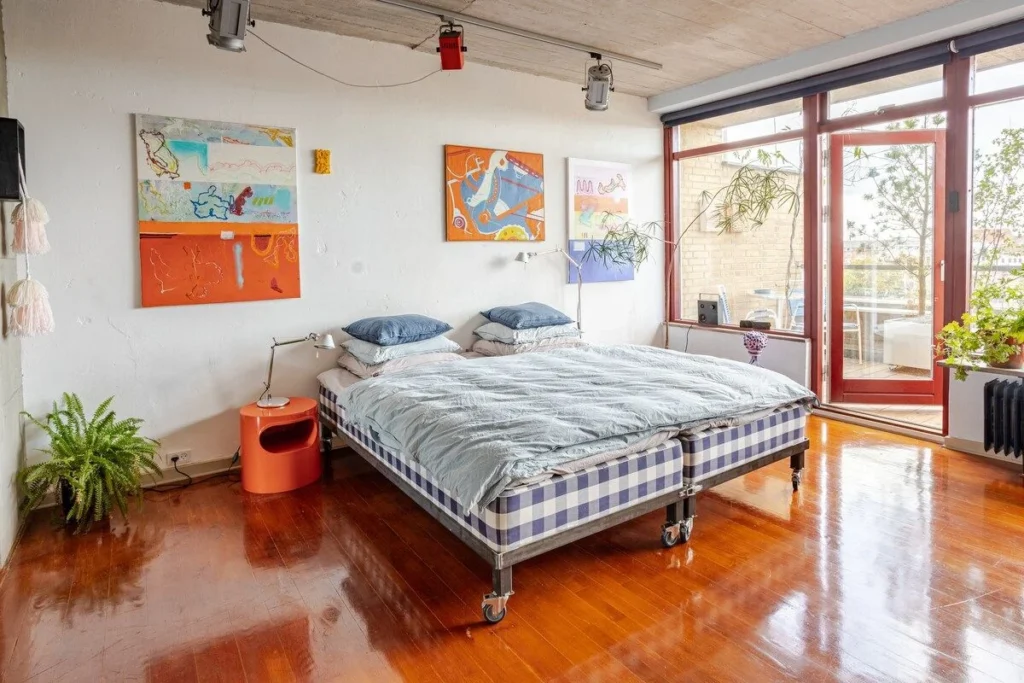

The Danish capital of Copenhagen has solidified its reputation as a global epicenter for architecture, interior design, and a unique brand of urban livability that attracts millions of international visitors annually. As the city prepares for its peak tourism seasons and major industry events like the 3daysofdesign fair, the short-term rental market has evolved from simple lodging to a sophisticated extension of the Danish aesthetic. Travelers are increasingly bypassing traditional luxury hotels in favor of curated Airbnbs and hybrid "apartment hotels" that offer a deeper immersion into the local lifestyle, characterized by the world-renowned concepts of hygge and functional minimalism.
The Strategic Intersection of Design and Tourism
Copenhagen’s tourism sector has witnessed a significant rebound and subsequent growth in the post-pandemic era. According to data from VisitDenmark, the national tourism organization, overnight stays in the capital region reached record highs in 2023, with international visitors showing a marked preference for accommodations that reflect the city’s cultural identity. This trend is particularly evident in the demand for properties that showcase Danish modernism—a movement defined by clean lines, organic materials, and a focus on craftsmanship that emerged in the mid-20th century through the work of icons like Arne Jacobsen and Hans Wegner.
The city’s short-term rental inventory now functions as a living showroom for contemporary brands. Properties frequently feature furniture from HAY, lighting from Louis Poulsen, and textiles that embody the "New Nordic" movement. This integration of commerce and hospitality allows guests to "test-drive" the Danish lifestyle, driving interest in the city’s boutiques and design galleries.
The Rise of the Hybrid Living Model: Aperon and Venders
A significant shift in the Copenhagen hospitality landscape is the emergence of the hybrid apartment hotel. This model combines the professional standards and 24/7 service of a hotel with the residential privacy and kitchen facilities of an Airbnb. Two prominent examples, the Aperon Apartment Hotel and the Venders Apartment Hotel, illustrate this trend.
Located in historic 19th-century buildings, these properties utilize digital-first service models. Guests access 24/7 online reception services for housekeeping and amenities, such as baby cribs, while maintaining the autonomy of a private flat. The Aperon, situated near the iconic Round Tower, features interiors characterized by "lemon meringue" walls and glass-partitioned bedrooms designed to maximize the "Golden Hour" light of the Scandinavian summer. Similarly, the Venders Apartment Hotel in the Nørreport district utilizes vibrant color palettes—such as mustard cabinetry paired with Bruno Rey chairs—to modernize its 1800s architecture.
Market analysts suggest that this hybrid model appeals to "bleisure" travelers—professionals who combine business trips with leisure—who require high-speed internet and central locations without the clinical atmosphere of traditional corporate hotels.
Neighborhood Spotlight: Nørrebro’s Multicultural Aesthetic
While the city center (Indre By) remains a primary draw, the neighborhood of Nørrebro has emerged as a critical hub for design-conscious travelers. Recently named one of the "coolest neighborhoods in the world" by various lifestyle publications, Nørrebro offers a contrast to the manicured streets of the center.
The "Green Oasis" in Nørrebro exemplifies the neighborhood’s appeal. This two-story apartment utilizes skylights and bleached wood floors to create an airy, minimalist environment. Its proximity to public parks and playgrounds makes it a strategic choice for families, reflecting a broader trend in the Danish rental market: the prioritization of "kid-friendly" luxury. Unlike many European capitals where high-end rentals are often restrictive for families, Copenhagen’s market leans into the Danish value of social inclusivity, offering high chairs, toys, and outdoor dining spaces as standard perks.
Luxury and Heritage: The Aristocratic Rentals of Indre By
For the ultra-high-end segment of the market, Copenhagen offers rare opportunities to reside in properties with deep historical significance. The Indre By district, the city’s medieval heart, contains several apartments that date back to the 18th century.
One notable property is the "Historic Home in Indre Bay," a residence built in 1757 that was originally intended for the nobility. Connected to the Yellow Palace—the former residence of King Christian IX—the apartment features jewel-toned walls, velvet furnishings, and original moldings. Another high-end option on one of the city’s most prestigious streets can accommodate up to 10 guests, featuring crystal chandeliers and high-end modern appliances.
These properties, ranging from $900 to over $1,300 per night, cater to a demographic seeking "European glamour." The preservation of these spaces is often overseen by strict heritage laws, ensuring that while the kitchens are updated with state-of-the-art technology, the architectural integrity remains unchanged.
Frederiksberg: The ‘City Within a City’
Frederiksberg, an independent municipality surrounded by the city of Copenhagen, offers a more residential, upscale atmosphere. Known for its expansive gardens and theater district, the area provides a quieter alternative to the bustling center.
Accommodations here often focus on the "green" aspect of Danish living. A "Hidden Gem" cottage located within a local garden association allows guests to pick their own vegetables and herbs, emphasizing the Danish connection to nature. Meanwhile, more traditional apartments in the area utilize white-on-white color palettes and fireplaces to create a sense of "hygge"—the Danish word for a quality of coziness and comfortable conviviality that engenders a feeling of contentment or well-being.
Artistic Collaborations and the Gallery Experience
A burgeoning trend in the Copenhagen rental market is the direct partnership between property owners and art galleries. The "Art & Design Flat" with views of the Copenhagen lakes operates in collaboration with the local gallery Nordvaerk. The apartment features a rotating collection of works by emerging Danish artists, effectively turning the rental into a private gallery.
This model provides artists with a unique platform to reach international collectors while offering guests a sophisticated cultural experience. Often, the artworks are available for purchase, creating a seamless link between the hospitality and art markets.
Regulatory Environment and Economic Implications
The rapid growth of the short-term rental market in Copenhagen has not been without controversy. To balance the needs of the tourism industry with the housing requirements of local residents, the Danish government has implemented some of the strictest Airbnb regulations in Europe.
In 2018, Denmark became the first country to reach an agreement with Airbnb to automatically report rental income to tax authorities. Additionally, there is a "70-day rule," which limits the number of days a primary residence can be rented out annually, though local municipalities can increase this to 100 days. These regulations are designed to prevent the hollowing out of residential neighborhoods and to ensure that the tourism boom benefits the broader economy.
Official statements from the Danish Ministry of Industry, Business and Financial Affairs emphasize a "balanced approach" to the sharing economy. The goal is to encourage innovation and tourism while protecting the social fabric of the city. For travelers, this means that the available inventory is often of a higher quality, as the market is less saturated with low-end, purely commercial "ghost hotels."
Chronology of Copenhagen’s Design Dominance
The current state of the city’s rental market is the result of a decades-long trajectory:
- 1950s-1960s: The "Golden Age" of Danish Design establishes the aesthetic foundation of the city.
- 2003: The opening of Noma marks the beginning of the "New Nordic" culinary revolution, drawing a new wave of high-spending tourists.
- 2014: The launch of "3daysofdesign," which has grown into the North’s most important design event, creating massive seasonal demand for rentals.
- 2018: Denmark implements landmark tax-reporting agreements with short-term rental platforms.
- 2023: Copenhagen is named the UNESCO-UIA World Capital of Architecture, further cementing its status as a destination for design enthusiasts.
Broader Impact and Future Outlook
As Copenhagen continues to evolve, the integration of design, technology, and sustainability will likely remain the primary drivers of its hospitality sector. The city’s goal to become the world’s first carbon-neutral capital by 2025 is already influencing the rental market, with an increasing number of properties highlighting their energy efficiency, waste reduction programs, and proximity to the city’s extensive cycling infrastructure.
The success of Copenhagen’s design-forward Airbnbs and apartment hotels serves as a blueprint for other cities looking to leverage their cultural heritage for sustainable tourism. By moving beyond "cookie-cutter" accommodations and offering spaces that tell a story of local craftsmanship and history, Copenhagen has created a resilient tourism model that appeals to the values of the modern, conscientious traveler. Whether it is a Rapunzel-esque penthouse with rooftop views or a noble apartment connected to a palace, these homes are no longer just places to sleep; they are integral components of the Danish cultural export.