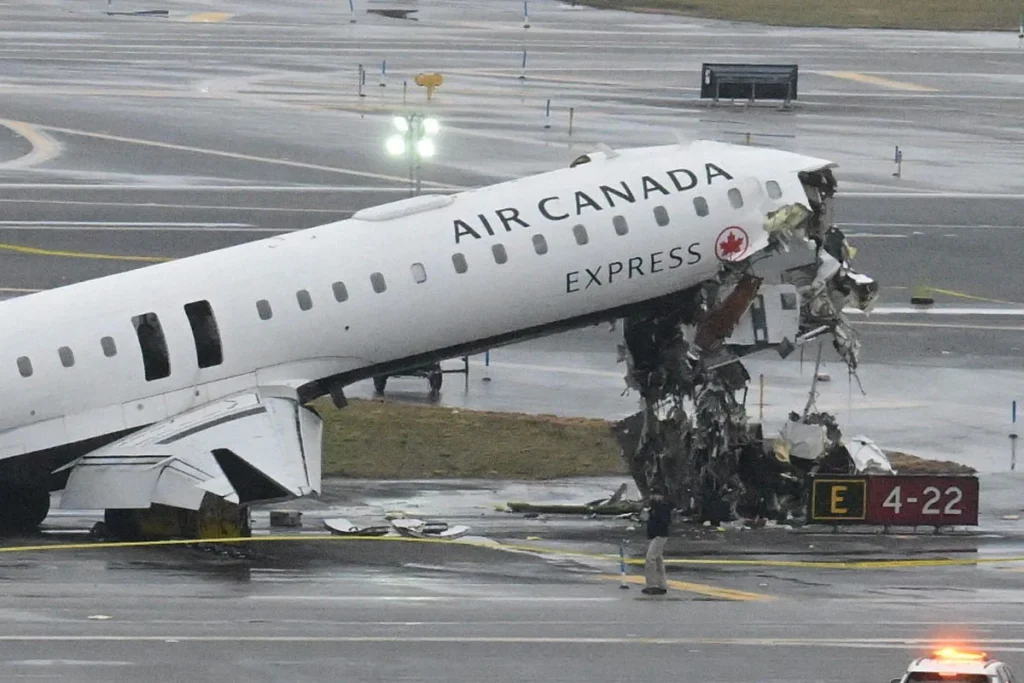

A week after a harrowing and fatal incident at LaGuardia Airport, former Dancing with the Stars professional Charlotte Jørgensen has publicly shared her terrifying experience as a survivor of the Air Canada flight that collided with a firetruck on the runway. The incident, which claimed the lives of the flight’s two pilots and injured 41 passengers, has left Jørgensen grappling with significant physical and mental trauma, a struggle she candidly revealed in a heartfelt social media post. Her account sheds light on the immediate chaos of the event and the long-term psychological impact on those who endure such a catastrophe.
The incident, which occurred approximately one week prior to Jørgensen’s March 29, 2026 Instagram post, involved Air Canada Flight 8646, an inbound commercial passenger jet from Montreal, which was involved in a collision with a firetruck on a runway at LaGuardia Airport (LGA) in New York City. The severity of the impact led to a catastrophic outcome for the cockpit crew, Captain Antoine Forest and First Officer Mackenzie Gunther, both of whom perished in the line of duty. Their actions, however, are being hailed as heroic, credited with mitigating what could have been an even greater loss of life among the 150-plus passengers and crew on board. The incident has sent shockwaves through the aviation community and highlighted critical aspects of airport ground safety and emergency response protocols.
The LaGuardia Incident: A Detailed Account
The collision transpired on the evening of the incident as Air Canada Flight 8646 was executing its landing sequence at one of the busiest airports in the United States. While precise details are still under investigation by the National Transportation Safety Board (NTSB) and the Federal Aviation Administration (FAA), preliminary reports indicate that the aircraft, likely a narrow-body jet, was in the final stages of its landing roll when it came into contact with a fire apparatus that was reportedly on the runway for reasons yet to be fully clarified. Runway incursions, where an unauthorized aircraft, vehicle, or person is on a runway, are among the most serious safety concerns in aviation, posing a direct threat of collision.
The impact was reportedly violent, causing significant damage to both the aircraft and the firetruck. Eyewitness accounts from passengers, including Jørgensen, describe a sudden jolt, followed by confusion and immediate fear as emergency procedures were initiated. The aircraft came to a halt on the runway, and emergency services, already on high alert due to the presence of the firetruck, swiftly responded. Despite the rapid deployment of rescue teams, the cockpit sustained the brunt of the collision, leading to the immediate fatalities of Captain Forest and First Officer Gunther. The 41 reported injuries among passengers ranged from minor cuts and bruises to more severe impacts requiring immediate medical attention, with some passengers experiencing fractures and concussions from the abrupt deceleration and impact forces. The swift evacuation of the aircraft, guided by flight attendants, was crucial in preventing further casualties from potential post-impact hazards such as fire or structural collapse.
The Pilots’ Ultimate Sacrifice
Central to the narrative of survival is the profound sacrifice made by Captain Antoine Forest and First Officer Mackenzie Gunther. While the full NTSB report will provide an exhaustive analysis of the incident, aviation experts and passenger testimonies suggest that the pilots’ actions in the critical moments post-collision were instrumental in saving lives. In such a high-stress, rapidly unfolding scenario, pilots are trained to prioritize the safety of those on board, often at immense personal risk. It is inferred that despite the catastrophic damage to their section of the aircraft, they maintained control for as long as possible, executing emergency braking procedures and potentially guiding the aircraft to a controlled stop, thereby minimizing the impact on the passenger cabin and facilitating a safer evacuation.
Jørgensen herself acknowledged this heroism in her Instagram post, stating, "I owe my life to two brave souls Captain Antoine Forest and First Officer Mackenzie Gunther – they made the ultimate sacrifice so that we all could live… I am indebted to them and my thoughts are with their families." This sentiment resonates deeply within the aviation community, where pilots are revered for their dedication to safety and their willingness to make difficult decisions under extreme pressure. Their sacrifice underscores the inherent risks of aviation and the extraordinary courage often displayed by those at the controls. Tributes have poured in for the two pilots from Air Canada, professional pilot associations, and the broader public, recognizing their valor and the profound impact of their selflessness.
Charlotte Jørgensen’s Harrowing Testimony
Charlotte Jørgensen, known for her appearance on the inaugural season of Dancing with the Stars alongside celebrity partner John O’Hurley, chose to share her deeply personal ordeal with her followers on Instagram. Her post, made on Sunday, March 29, 2026, offered a raw and vulnerable glimpse into the aftermath of surviving such a traumatic event. Accompanied by a personal photo, likely from the scene or showing the emotional toll, Jørgensen recounted her initial disbelief. She described boarding Air Canada 8646, expecting a routine flight home to New York City after a pleasant weekend in Montreal, only for it to transform into a nightmare.
Her words painted a vivid picture of the immediate post-crash experience: "On the night I felt nothing as adrenaline was rushing through my body…" This physiological response is common in acute trauma, where the body’s fight-or-flight mechanism temporarily overrides pain and emotional processing. However, as the immediate danger receded and the adrenaline dissipated, the true impact began to manifest. "But the days after has been tough – physically, mentally and emotionally," she confessed. This statement highlights the often-delayed onset of post-traumatic stress and the complex recovery process that survivors face. Her public sharing serves as a powerful reminder that the invisible wounds of trauma can be as debilitating as physical injuries. The outpouring of support from her fans and the Dancing with the Stars family, which she acknowledged with gratitude, underscores the importance of community and solidarity in healing.
The Road to Recovery: Physical and Mental Toll
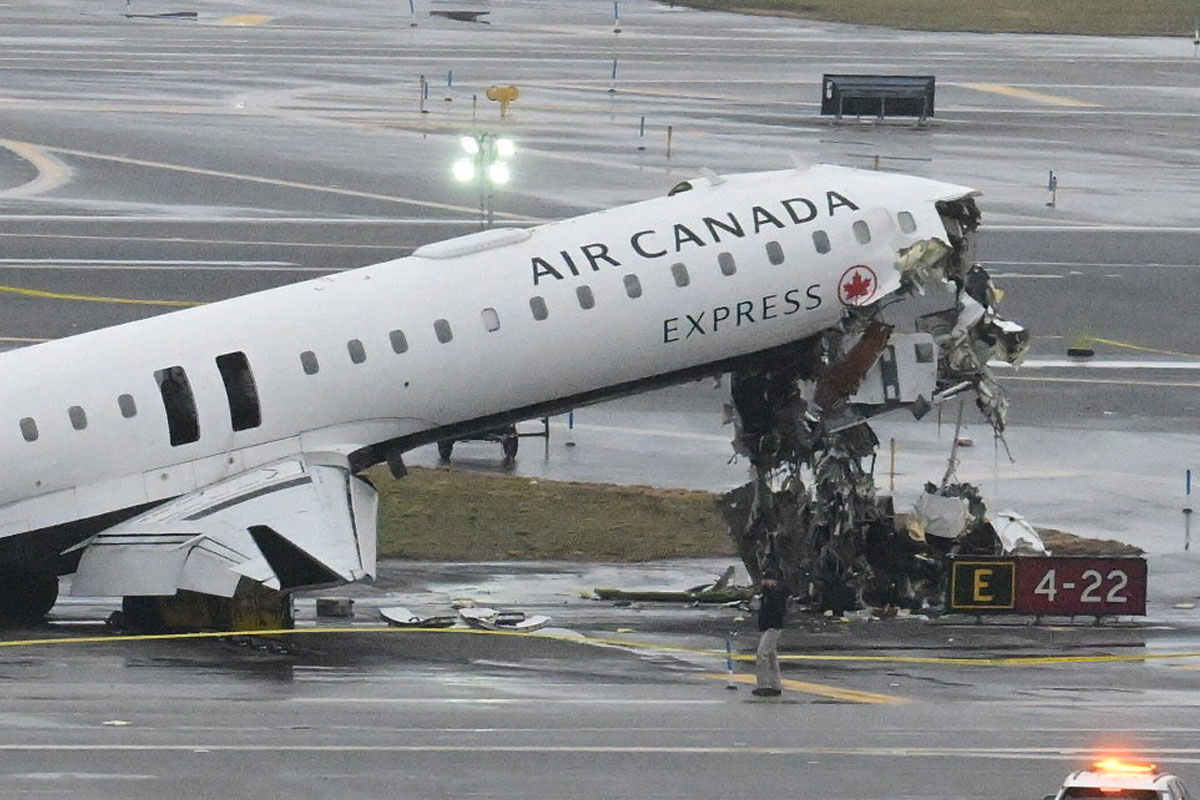
Jørgensen’s revelation about her struggles underscores the profound and multifaceted challenges faced by survivors of aviation incidents. While the immediate physical injuries might heal, the mental and emotional scars often linger, demanding extensive support and time. Post-traumatic stress disorder (PTSD), anxiety, depression, and hypervigilance are common psychological responses to life-threatening events. Survivors often grapple with vivid flashbacks, nightmares, and an overwhelming sense of vulnerability, fundamentally altering their perception of safety and normalcy. The simple act of boarding another aircraft, or even being in a crowded public space, can trigger severe anxiety.
For a professional dancer like Jørgensen, whose career relies heavily on physical prowess and mental fortitude, the physical aspect of her recovery is equally critical. The sudden, violent forces of a plane crash can lead to musculoskeletal injuries, soft tissue damage, and concussions, requiring extensive rehabilitation. The interplay between physical pain and psychological distress can create a vicious cycle, where one exacerbates the other. Jørgensen’s statement that she is "taking time to heal" and is being cared for by her husband, Nelson, and daughter, Vivianna, indicates a necessary period of rest, therapy, and emotional processing. Family support plays a crucial role in the recovery journey, providing a stable and nurturing environment for healing. Mental health professionals specializing in trauma are often vital in guiding survivors through cognitive behavioral therapy (CBT), eye movement desensitization and reprocessing (EMDR), and other therapeutic interventions to process the traumatic memories and develop coping mechanisms.
Investigation Underway: Seeking Answers
The NTSB, as the primary investigative body for civil aviation accidents in the United States, immediately launched a comprehensive investigation into the LaGuardia collision. Their inquiry will be meticulous, aiming to uncover every contributing factor to prevent similar incidents in the future. Key elements of the investigation include:
- Black Box Retrieval and Analysis: The Flight Data Recorder (FDR) and Cockpit Voice Recorder (CVR) from the Air Canada aircraft are paramount. These "black boxes" contain crucial operational parameters, flight controls, engine performance, and all cockpit conversations and sounds, providing a minute-by-minute account of the flight’s final moments.
- Wreckage Examination: Forensic analysis of both the aircraft and the firetruck wreckage will determine the precise point of impact, the forces involved, and any mechanical failures.
- Air Traffic Control (ATC) Communications: Recordings of all communications between the flight crew, ATC, and ground control will be scrutinized to identify any miscommunications, missed instructions, or procedural deviations.
- Witness Interviews: Testimony from surviving passengers, flight attendants, airport personnel, and ground crew will provide critical perspectives on the events leading up to and immediately following the collision.
- Airport Operational Protocols: The investigation will review LaGuardia Airport’s runway incursion prevention systems, ground movement procedures, vehicle operating regulations, and emergency response protocols. This includes examining the dispatch and movement of the firetruck involved.
- Human Factors: Both pilot and ground crew fatigue, training, and decision-making processes will be evaluated.
The NTSB’s findings will culminate in a detailed report, typically including probable cause(s) and safety recommendations aimed at the FAA, airport authorities, airlines, and manufacturers. The outcome of this investigation is eagerly awaited by the aviation industry and the public, as it will undoubtedly lead to enhanced safety measures.
Aviation Safety and Runway Incursions
The LaGuardia incident serves as a stark reminder of the persistent challenge of runway incursions. Despite significant advancements in aviation safety, these events remain a top concern for regulatory bodies worldwide. According to FAA data, while the overall number of serious runway incursions has trended downwards in recent years due to improved technology and procedures, they still occur. A "serious" incursion is defined as one with a high potential for collision. Busy airports like LaGuardia, with complex layouts and high traffic volume, are particularly susceptible.
Mitigation efforts include:
- Airport Surface Detection Equipment (ASDE-X): This radar-based system provides air traffic controllers with highly accurate positional information of aircraft and vehicles on airport surfaces, even in low visibility.
- Runway Status Lights (RWSL): These automated lights, embedded in the runway and taxiway pavements, illuminate to indicate when it is unsafe to enter, cross, or take off from a runway.
- Improved Communication Protocols: Standardized phraseology and clear read-back requirements are continually emphasized for both pilots and ground controllers.
- Enhanced Training: Regular training and awareness campaigns for pilots, air traffic controllers, and vehicle operators on airport movement areas are crucial.
The collision at LaGuardia will likely prompt an even more rigorous review of these systems and protocols, potentially leading to new mandates or technological upgrades to prevent such a tragedy from recurring. The fact that a firetruck, an essential safety vehicle, was involved complicates the analysis, as emergency vehicles often operate under different priority rules, which must be carefully integrated into overall airport ground movement management.
The Enduring Impact on Survivors and Industry Response
Beyond the immediate human toll, the LaGuardia collision carries broader implications for passenger safety and the aviation industry. Airlines like Air Canada are expected to provide comprehensive support to affected passengers, including medical and psychological assistance, travel arrangements, and financial compensation for damages and injuries. Such incidents also prompt internal reviews within airlines of their emergency response plans, passenger communication strategies, and crew training for emergency situations.
For survivors like Charlotte Jørgensen, the journey to full recovery is often long and arduous. It involves not only addressing the physical injuries but also confronting the deep psychological scars left by a brush with death. The public sharing of her experience by a recognizable figure like Jørgensen helps to demystify the impact of trauma and encourages a more empathetic understanding of survivors’ needs. It also serves as a powerful testament to human resilience in the face of unimaginable adversity. The aviation industry, while continually striving for zero accidents, must also be prepared to support those who endure such rare but devastating events.
As the NTSB’s investigation proceeds, the aviation world watches closely for lessons that can be learned to further enhance safety. Meanwhile, the memory of Captain Antoine Forest and First Officer Mackenzie Gunther will be honored as heroes, and survivors like Charlotte Jørgensen will continue their challenging path toward healing, reminding everyone of the human cost of such incidents and the extraordinary courage found in both sacrifice and survival.