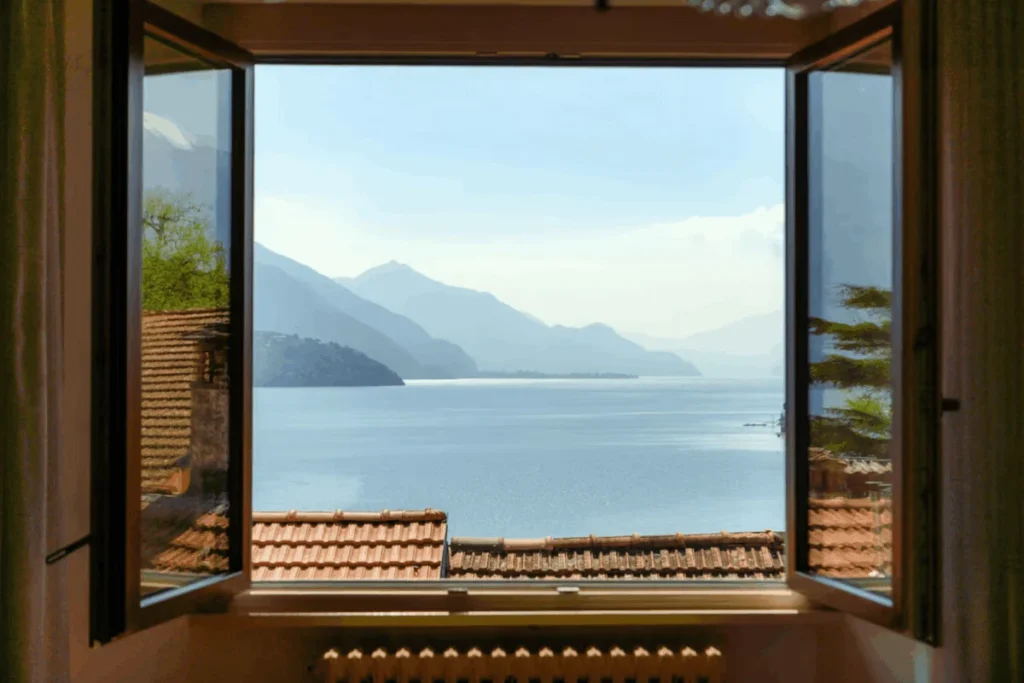

The surge in popularity of short-term rentals in Lake Como is not merely a response to the frequent "sold out" status of traditional hotels; it reflects a broader global trend toward experiential travel. Modern visitors are increasingly opting for private villas and restored historical apartments that allow them to experience the lake like a local. This transition is supported by a diverse inventory of properties ranging from centuries-old stone houses to midcentury modern apartments, each offering a unique vantage point of the Lario—the local name for the lake.
The Geographic and Economic Context of Lake Como Tourism
Lake Como is the third-largest lake in Italy and one of the deepest in Europe. Its unique inverted "Y" shape creates three distinct branches: the Como branch to the southwest, the Lecco branch to the southeast, and the Colico branch to the north. Each area offers a different atmosphere, from the bustling city of Como to the glamorous "Golden Triangle" of Bellagio, Menaggio, and Varenna.
In 2023 and the first half of 2024, the Lombardy region reported record-breaking tourism figures. According to data from the Italian National Institute of Statistics (ISTAT), international arrivals in the Lake Como area have surpassed pre-pandemic levels, with a notable increase in North American and East Asian travelers. This influx has driven the average daily rate (ADR) for luxury accommodations to new heights, making the value proposition of high-quality Airbnbs increasingly attractive for families and groups.
A Chronology of Lake Como’s Architectural Heritage
The villas of Lake Como are not merely residences; they are historical monuments. The chronology of the lake’s development began in the Roman era, but it was during the 16th to 19th centuries that the most famous estates were constructed. Aristocrats and artists, including Franz Liszt and Giuseppe Verdi, were drawn to the shores for inspiration.
Today, many of these historical structures have been subdivided or restored to serve the modern rental market. The preservation of original features—such as 19th-century frescos, Murano glass chandeliers, and terrazzo flooring—remains a priority for local authorities and property owners, ensuring that the influx of tourism does not erode the region’s cultural fabric.
Premier Lakefront and Village Rentals: A Curated Selection
To understand the breadth of the current rental market, one must look at the specific properties that define the "authentic" Lake Como experience. These rentals are categorized by their architectural style, location, and the specific "perks" that cater to the modern luxury traveler.
Historical Grandeur: Villa Emma and Villa Giuditta Pasta
For those seeking a connection to the lake’s operatic and aristocratic past, properties like Villa Emma in Argegno and Villa Giuditta Pasta in Torno are unparalleled. Villa Emma, a two-bedroom apartment within a 19th-century villa, retains its original muraled ceilings and antique furnishings. Located on the lakeside piazza of Argegno, it offers a direct connection to the village’s social heart.
Further south, near the city of Como, Villa Giuditta Pasta dates back to the 13th century. It was famously owned by the 19th-century soprano Giuditta Pasta, a muse to composer Vincenzo Bellini. The rental features soaring stone arches and curved ceilings that evoke an ancient grotto, providing a stark contrast to the bright, sun-drenched private terrace that overlooks the water. These properties represent the "preservationist" tier of the rental market, where the history of the building is the primary draw.
Midcentury Modernism and Design: Riflessi Sul Lago
In contrast to the neoclassical villas, the "Riflessi Sul Lago" apartment near Gravedona showcases Italy’s midcentury design prowess. Featuring vintage terrazzo flooring and clean-lined wooden wardrobes, this two-bedroom unit reflects the minimalist aesthetic of the 1950s and 60s. This property highlights the northern lake’s appeal, where the landscape is more rugged and the atmosphere is more tranquil than the central lake region.
The Luxury Group Experience: Breakwater Villa
At the highest end of the spectrum is the Breakwater Villa in Bellagio. Commanding a nightly rate starting at approximately $7,433, this seven-bedroom estate is designed for high-net-worth groups. It includes a full staff, a private chef, and a concierge, bridging the gap between a private home and a five-star hotel. The inclusion of an infinity pool and a wine fridge underscores the shift toward "villa-resorts" that offer total seclusion and personalized service.
Authentic Village Life: From Limonta to Blevio
The smaller villages surrounding the lake provide a more grounded perspective on Italian life. In Limonta, a one-bedroom lakefront apartment offers a retro feel with orange-and-white striped terrace overhangs, starting at $287 per night. In Blevio, the "Stone House" provides a secluded retreat within a maze of ancient stairs and alleys. These properties are often favored by couples or small families who prioritize privacy and local immersion over proximity to major tourist hubs.
Carate Urio, another village gaining traction among savvy travelers, offers properties like the House of Roses and the Terrace Apartment. These rentals are noted for their "un-curated" feel, providing a sense of home that hyper-branded hotels often lack. With prices ranging from $273 to $377 per night, they represent the "mid-market luxury" segment that is driving much of the region’s rental growth.
The Northern Reach: Modern Alpine Chalets
The northern end of Lake Como, near Colico, offers a different architectural vernacular. The "Woodhouse by Interhome" is a Scandi-inspired duplex that functions more like a mountain chalet than a traditional villa. With five bedrooms and a private pool, it caters to the growing market for "active luxury"—travelers who want to be near the lake for windsurfing and sailing but prefer a modern, minimalist environment.
Challenges and Official Responses to the Rental Boom
The rapid expansion of the Airbnb market in Lake Como has not been without controversy. Local officials have expressed concerns regarding the impact of short-term rentals on the local housing market. In response, several municipalities have discussed implementing stricter registration requirements for hosts to ensure that properties meet safety standards and contribute to local tax revenues.
Statements from the Lake Como Tourism Board indicate a desire to promote "sustainable and de-seasonalized" tourism. Officials are encouraging visitors to explore the lake during the shoulder seasons (spring and autumn) and to visit lesser-known villages to alleviate the pressure on hotspots like Bellagio. The integration of professional concierge services into private rentals is seen as a way to maintain the high standard of service that the region is known for.
Broader Impact and the Future of Travel in Lombardy
The evolution of Lake Como’s rental market is a bellwether for the future of luxury travel in Europe. The data suggests that the "private villa" model is here to stay, as travelers seek greater control over their environments and a deeper connection to the local culture. This trend is forcing traditional hotels to innovate, often by adding private residences or "villas-within-a-hotel" to their portfolios.
As we look toward 2025, the Lake Como region is expected to continue its trajectory as a premier global destination. The balance between maintaining its "storybook history" and adopting modern hospitality technology will be crucial. For the traveler, the availability of these diverse Airbnbs means that la dolce vita is no longer reserved for those who can secure a room at a grand hotel; it is accessible to anyone seeking a private porch, an Aperol spritz, and a view of the world’s most enchanting lake.
The success of these rentals lies in their ability to offer something a hotel cannot: a sense of ownership over one’s holiday. Whether it is a 13th-century grotto in Torno or a minimalist chalet in Colico, these homes provide the stage for a personal narrative, allowing guests to become, even for a few days, a part of the long and storied history of Lake Como.