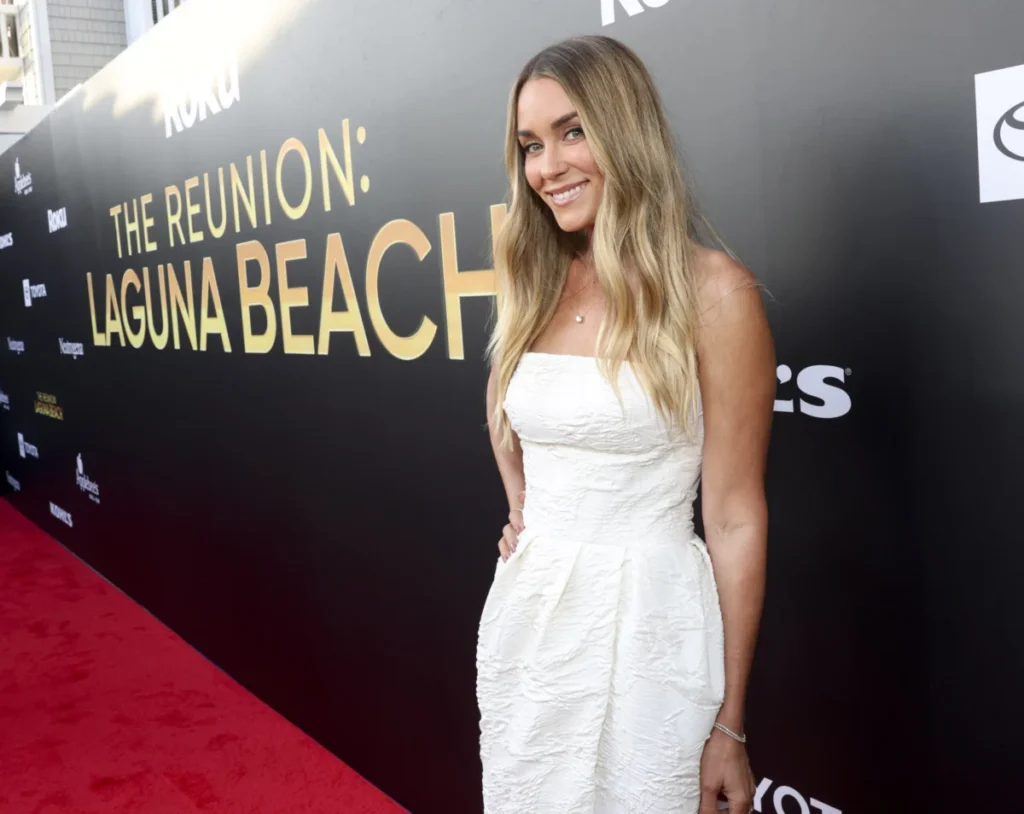

Twenty years after Laguna Beach: The Real Orange County first captivated audiences, seminal figures Lauren Conrad, Stephen Colletti, and Kristin Cavallari are set to headline The Reunion: Laguna Beach, a new Roku special designed to bring much of the original cast back together. This unconventional high school reunion, airing April 10, marks a significant moment for fans and a reflective juncture for the stars who pioneered a new era of reality television, delving into past dramas and fostering reconciliation. The special promises a nostalgic journey back to the sun-drenched Southern California beach town that became synonymous with teenage romance, friendship, and manufactured drama, but with a matured perspective from its now-adult participants.
The Genesis of a Celebrated Return
The impetus for this highly anticipated reunion stemmed largely from the success of Colletti and Cavallari’s rewatch podcast, Back to the Beach with Kristin and Stephen. Launched in 2022, the podcast offered a unique retrospective, with the former on-screen couple re-watching episodes of their iconic show and providing candid commentary, behind-the-scenes anecdotes, and personal reflections. Each episode often featured former cast members dropping by, reigniting interest and conversations among the original group. This organic rekindling of connections and shared memories naturally led to a broader desire to gather the full ensemble in one place, culminating in the Roku special.
However, securing the participation of all key figures, particularly Lauren Conrad, proved to be a nuanced process. Conrad, who famously transitioned from Laguna Beach to its even more popular spin-off, The Hills, largely withdrew from the glare of reality television cameras after her departure from The Hills in 2009. Her post-reality TV career has focused on building a successful lifestyle brand, including fashion lines and a non-profit organization, alongside a deliberately private family life. Conrad admitted to The Hollywood Reporter that she required considerable convincing to return to the spotlight, even for a reunion. "I had a lot of questions, [Colletti and I] had some conversations about it. I wanted to make sure that if we did it, we needed to have a reason to do it — how is this going to be different than anything we’d ever done?" she explained at the special’s premiere event. Her primary concern was ensuring the reunion transcended mere rehashing of old drama, aiming instead for a "positive, nostalgic, warmer show" that accurately reflected the group’s current dynamic and shared history.
A crucial element in securing Conrad’s, and indeed much of the cast’s, buy-in was the decision to grant the principal stars significant creative control. Lauren Conrad, Stephen Colletti, and Kristin Cavallari all served as executive producers for The Reunion: Laguna Beach. This level of involvement was championed by original show creator Liz Gateley, who also returned for the special. Gateley recognized the importance of the stars having "a voice in what it became and what it was going to look like." This executive oversight established "fast rules of no manipulation of reactions and all of that," ensuring a more authentic and less manufactured portrayal than what was often characteristic of early reality television. Colletti echoed this sentiment, emphasizing that it was "an important thing for both [Conrad and I] that we were going to have some creative control and tell our story about this experience." This commitment to authenticity and shared narrative ownership was paramount in bringing the cast back together on their own terms.
Laguna Beach: A Cultural Touchstone of the Early 2000s
Laguna Beach: The Real Orange County premiered on MTV in September 2004, at a pivotal moment in the evolution of reality television. Following the groundbreaking success of shows like MTV’s The Real World (which launched in 1992) and Survivor (2000), Laguna Beach carved out its own niche as a "docu-soap," a hybrid genre that blended the unscripted nature of reality TV with the narrative arcs and character development typically found in scripted dramas. It followed the lives of a group of affluent, attractive teenagers navigating the complexities of high school, friendships, relationships, and college aspirations in the picturesque backdrop of Laguna Beach, California.
The show quickly became a cultural phenomenon, resonating particularly with teenage audiences who saw elements of their own high school experiences, albeit glamorized, reflected on screen. Its influence extended beyond television, impacting fashion trends, music choices, and even setting a new standard for aspirational teenage lifestyle programming. Laguna Beach was often compared to the popular scripted teen drama The O.C., which premiered a year earlier, highlighting a burgeoning appetite for stories set in affluent Orange County. While The O.C. offered fictionalized drama, Laguna Beach promised "reality," blurring the lines between genuine emotion and producer-guided narratives.
During its three-season run, Laguna Beach captivated millions, consistently ranking among MTV’s top-performing shows. Its first season averaged approximately 2 million viewers, with subsequent seasons maintaining a strong viewership base. The show’s success was not just in its ratings but in its profound cultural impact. It launched the careers of its young cast members, transforming them into household names and early progenitors of the "influencer" culture that would dominate social media in later years. The dramatic love triangle between Lauren Conrad, Stephen Colletti, and Kristin Cavallari became a central storyline, fueling countless fan discussions and solidifying their place in pop culture history. It also laid the groundwork for its highly successful spin-off, The Hills, which further cemented MTV’s dominance in the reality TV landscape and continued the narratives of Conrad, Cavallari, and others as they moved to Los Angeles.
The Evolving Landscape of Reality Television: A Two-Decade Shift
Two decades have seen reality television undergo a dramatic metamorphosis. The stars of Laguna Beach are acutely aware of how their show, with its relatively understated drama and focus on genuine teenage experiences, would fare in today’s hyper-competitive and often sensationalized reality TV ecosystem.
Kristin Cavallari succinctly articulated this sentiment, noting, "I do not think it would do well, I think it would be too boring. Everything is so fast-paced now, you need a little more stakes, a little more drama today." She reflected on the "real innocence" of Laguna Beach, attributing its success to its relatable narratives and beautiful setting, a combination she believes would struggle to secure a pilot order in the current climate. "People would be like, ‘Nothing is happening on this show, there’s nothing going on,’” she jokingly added.
Lauren Conrad further elaborated on the fundamental shift in motivations behind participating in reality television. She observed that "a lot of people now will do a reality show in order to launch a brand and create a business; we didn’t do that. We did this show because we were 18 and it sounded like fun to be on a television show." This distinction highlights a crucial evolution: early reality TV, while often manipulative, frequently began with participants seeking a novel experience or adventure. Today, for many, it’s a calculated career move, a platform for entrepreneurship, social media growth, and brand building. The rise of social media platforms like Instagram, TikTok, and YouTube has intertwined inextricably with reality TV, providing direct avenues for stars to monetize their fame, bypassing traditional media gatekeepers.
The advent of social media has also profoundly impacted the viewing experience and the pressure on reality stars. In the early 2000s, fan engagement was primarily through message boards and water cooler conversations. Today, every episode is dissected in real-time across multiple platforms, and stars face immediate, often intense, public scrutiny and direct feedback. This constant digital presence can erode the "innocence" Cavallari spoke of, forcing stars to maintain a public persona far beyond filming, blurring the lines between their actual lives and their televised narratives. Producers, too, have adapted, often designing storylines specifically to generate viral moments and social media buzz, further intensifying the manufactured drama.
Stephen Colletti, cognizant of these changes, emphasized the importance of a contained reunion special rather than a multi-episode arc. He stated that there was "something in that moment that was very innocent and I think that for Laguna purposes with this cast, if we tried to shoot a multi-episode arc again, I’m afraid that it would do something to the original version. I think having a quick little special, get in and get out, is perfect for the show.” This reflects a desire to preserve the integrity and nostalgic appeal of the original series, understanding that an extended return might struggle to replicate its unique charm without succumbing to the pressures of modern reality TV production.
Roku’s Strategic Play in the Streaming Wars
The decision by Roku, a leading streaming platform, to acquire and air The Reunion: Laguna Beach is a strategic move in the increasingly competitive streaming landscape. As traditional cable television continues its decline, streaming services are locked in a battle for subscriber attention and content differentiation. For platforms like The Roku Channel, which primarily operates on an ad-supported video-on-demand (AVOD) model, attracting and retaining viewers often hinges on offering a diverse library, including exclusive and nostalgic content.
Nostalgia content, particularly from the early 2000s, has proven to be a potent draw for audiences. Many millennials and Gen Z individuals who grew up watching shows like Laguna Beach are now active streaming consumers. Reviving beloved franchises taps into a built-in fanbase, requiring less marketing effort and offering a higher likelihood of engagement. Roku’s investment in The Reunion: Laguna Beach aligns with a broader industry trend where streamers are acquiring intellectual property (IP) with established fan bases, from sitcom reboots to reality show revivals. This strategy helps Roku solidify its position as a destination for quality, free streaming content, competing with subscription-based services by offering premium, recognizable programming without a paywall. The reunion special not only caters to long-time fans but also introduces the iconic series to a new generation of viewers, potentially driving interest in the original series, which is also available on various platforms.
Post-Laguna Beach Trajectories of the Stars
The cast of Laguna Beach has embarked on diverse paths since their initial foray into reality television. Their careers offer a microcosm of the opportunities and challenges that come with early fame.
Lauren Conrad leveraged her reality TV platform into a formidable lifestyle empire. After The Hills, she launched her highly successful fashion line, LC Lauren Conrad, with Kohl’s, which has expanded to include bedding, home goods, and children’s wear. She co-founded The Little Market, a non-profit fair trade shop that empowers women artisans globally. Conrad is also a bestselling author, having penned several novels and lifestyle guides. Despite her continued success, she has largely maintained a private life, a conscious decision to separate her public persona from her family life.
Kristin Cavallari continued her reality TV journey on The Hills and later starred in her own E! reality series, Very Cavallari, which chronicled her life as an entrepreneur and mother. She founded Uncommon James, a successful jewelry, home goods, and children’s clothing brand. Cavallari is also a cookbook author and, as mentioned, co-hosts the popular Back to the Beach podcast. Her career reflects a more direct embrace of reality television and brand building in the public eye.
Stephen Colletti transitioned into acting, most notably appearing in The CW’s hit teen drama One Tree Hill as Chase Adams for several seasons. He has also pursued independent film projects and, more recently, co-created and starred in the comedy series "Everyone Is Doing Great" alongside his One Tree Hill co-star James Lafferty, which explores the post-fame struggles of actors. His collaboration with Cavallari on the podcast demonstrates his willingness to revisit his reality TV past on his own terms.
Other cast members have also forged their own paths. Lo Bosworth, a close friend of Conrad’s, founded Love Wellness, a successful women’s health and personal care brand. Talan Torriero has largely moved away from the entertainment industry, focusing on family and business ventures. The reunion offers a rare glimpse into the lives of these individuals, showcasing their growth and the divergent paths they have taken since their high school days.
Lauren Conrad’s Definitive Stance: A Farewell to Cameras?
Despite her active involvement as an executive producer and her return for the special, Lauren Conrad made a clear declaration regarding her future interactions with reality television cameras. She unequivocally stated, "I think this is the last time I’m interacting with cameras," and emphasized that the reunion did not reignite any desire to return to reality TV. "I missed all the people but I didn’t miss the cameras," she added.
This statement is significant, underscoring the profound impact that sustained exposure to reality television can have on an individual’s life and mental well-being. For many reality stars, the constant scrutiny, the pressure to perform, and the often-blurred lines between their authentic selves and their on-screen personas can be emotionally taxing. Conrad’s decision to prioritize her privacy and focus on her entrepreneurial endeavors and family life highlights a common trajectory for early reality TV stars who seek to reclaim a sense of normalcy after experiencing intense public scrutiny. Her participation in The Reunion: Laguna Beach appears to be a carefully considered act of closure, a way to honor her past and connect with old friends, without committing to a future in front of the lens. It serves as a poignant reminder that while reality TV offers fame and opportunity, it also demands a considerable personal cost.
The Enduring Legacy and Future Implications
The Reunion: Laguna Beach is more than just a nostalgic trip down memory lane; it is a cultural touchstone that allows for reflection on the profound changes within the reality television genre and its societal impact over two decades. The special serves as a testament to the enduring appeal of Laguna Beach and its unique place in television history, having shaped a generation of viewers and influenced countless shows that followed.
The success of this reunion could potentially pave the way for more "nostalgia content" across various platforms, as streamers continue to mine established IP for new programming. It also highlights the evolving relationship between reality stars and their public personas, demonstrating a growing trend towards greater control over their narratives and a desire for authenticity, particularly when revisiting past experiences.
As The Reunion: Laguna Beach prepares to stream on April 10 on The Roku Channel, it invites audiences to revisit a simpler, perhaps more innocent, era of reality television, while also prompting a deeper contemplation of how much has changed, both for the stars themselves and for the genre they helped define. The special offers a unique opportunity to see the original cast members not as the teenagers they once were, but as adults reflecting on a pivotal, transformative period of their lives, providing a compelling narrative of growth, reconciliation, and the lasting legacy of a show that truly was "the real Orange County."