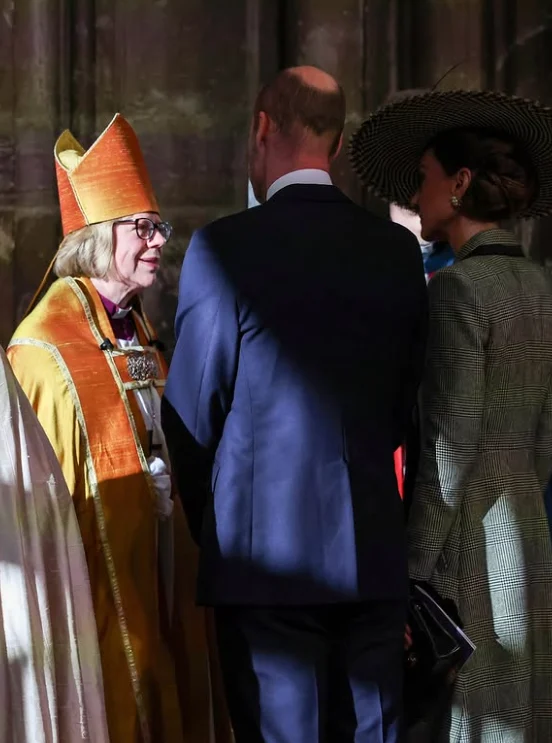

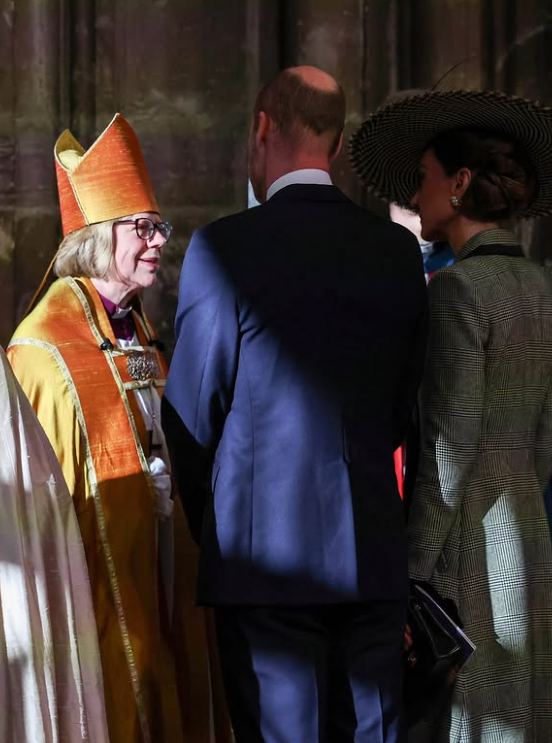
The Prince and Princess of Wales marked a significant moment in the ecclesiastical and constitutional landscape of the United Kingdom with their attendance at the enthronement of the new Archbishop of Canterbury. This solemn occasion, held on March 25th, underscored the enduring, albeit evolving, relationship between the Crown and the Church of England, with Prince William, as the heir to the throne, fulfilling a customary role. The event not only celebrated the installation of the Most Reverend Sarah Mullally but also highlighted the intricate tapestry of tradition, faith, and societal relevance that binds these institutions.
A Tradition Honored: The Heir’s Role in Ecclesiastical Succession
The presence of the Prince of Wales at the enthronement ceremony is deeply rooted in tradition. Historically, it has been the custom for the heir to the throne to represent the monarch at such significant ecclesiastical installations, rather than the reigning sovereign themselves. This practice acknowledges the monarch’s role as the Supreme Governor of the Church of England while allowing the heir to forge a direct connection with the leadership of the established church, preparing them for future responsibilities.
King Charles III, in his capacity as monarch, had previously welcomed Sarah Mullally following her confirmation as Archbishop, a step that itself marked a progression in royal engagement with the Church’s leadership. However, it was Prince William and Catherine, the Princess of Wales, who subsequently visited Dame Sarah at Lambeth Palace, the official residence of the Archbishop of Canterbury. Their subsequent attendance at the enthronement ceremony in Canterbury Cathedral cemented their personal engagement with this pivotal moment.
The Significance of the Canterbury Enthronement
The enthronement of an Archbishop of Canterbury is one of the most important events in the life of the Church of England and the wider Anglican Communion. It is a ceremony steeped in centuries of tradition, a symbolic and spiritual cornerstone that reaffirms the continuity of leadership and the authority vested in the office. Canterbury Cathedral, as the historic seat of the Archbishop, provides a hallowed backdrop, echoing with the pronouncements and prayers of generations past.
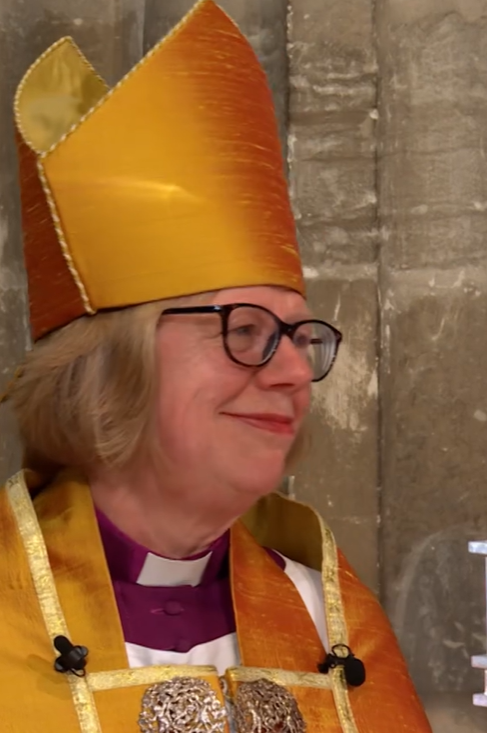
The installation of Archbishop Mullally, however, carried an added layer of historical import. As the first woman to hold the position of Archbishop of Canterbury, her enthronement represents a significant milestone in the ongoing journey of gender equality within religious institutions. While this marks a progressive step for the Church of England, it is also recognized that it presents challenges, particularly in relation to certain segments of the global Anglican Communion that hold differing views on the ordination of women.
A Royal Welcome Amidst Blustery Conditions
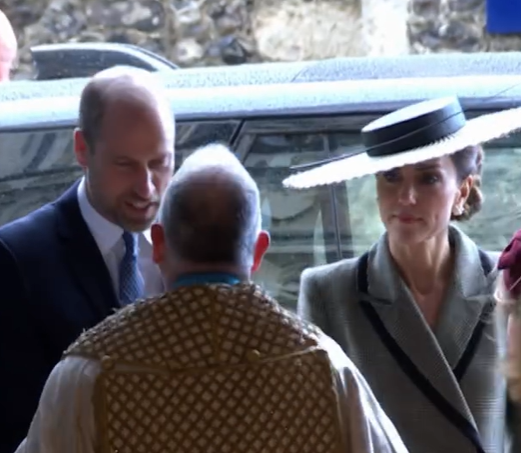
The arrival of the Prince and Princess of Wales at Canterbury Cathedral was met with characteristic public interest, amplified by the blustery weather that swept through the historic city. Images captured the Princess of Wales gracefully navigating the elements, her wide-brimmed hat secured against the wind, as she made her way into the magnificent cathedral. Their presence, even amidst such atmospheric challenges, signaled their commitment to the occasion.
The ceremony itself unfolded with a series of deeply symbolic acts. A pivotal moment occurred when the new Archbishop approached the sealed doors of the cathedral, symbolically requesting entry. Her declaration, "I am Sarah, and I have come to serve the Lord," addressed to a group of children, offered a poignant introduction to her ministry and hinted at the pastoral focus she aims to bring. This opening ritual set a tone of humility and service that resonated throughout the proceedings.
Archbishop Mullally’s Vision and the Sermon’s Message
During the service, Archbishop Mullally delivered a sermon that reflected on her personal faith journey, recounting her own path to the Church as a teenager. Her address was described as positive and energetic, drawing from her diverse experiences, including her earlier career in nursing. This background undoubtedly informs her perspective on service and compassion, qualities that are expected to shape her leadership.
However, the Archbishop is acutely aware of the contention that her appointment may engender. Her sermon likely touched upon the broader implications of her role as the leader of the worldwide Anglican Communion and the diverse theological viewpoints within it. The challenges of navigating these differing perspectives while fostering unity and continuing the Church’s mission are substantial and will undoubtedly be a central theme of her tenure.
Prince William’s Evolving Faith and Royal Duty
The attendance of Prince William at this enthronement also shines a light on his own developing relationship with faith and his future role within the Church of England. As the monarch-in-waiting, he will eventually assume the title of Supreme Governor of the Church. While Queen Elizabeth II was renowned for her profound Christian faith and King Charles III for his deep spirituality, Prince William’s personal beliefs have been described by sources close to him as a "quiet faith." Recent reports suggest he is committed to honoring his constitutional and spiritual obligations to the Church.
His presence at the enthronement serves as a tangible demonstration of this commitment. It reinforces the historical link between the heir to the throne and the Church’s highest leadership, signifying continuity and a recognition of the enduring importance of faith in national life.
Bridging Tradition and Modernity: The Royal Family’s Engagement
The Prince and Princess of Wales have cultivated a reputation for engaging with a wide spectrum of communities and championing causes that resonate with contemporary society. Their attendance at the enthronement can be interpreted as a strategic reinforcement of the Church’s relevance in addressing modern challenges. Issues such as mental health, social cohesion, and community support are areas where faith institutions can play a crucial role, and the royal couple’s presence signals an alignment with these broader societal concerns.
This engagement underscores a shared commitment between the monarchy and the Church to remain meaningful and accessible in a rapidly evolving world. It demonstrates that while tradition is honored, there is also an understanding of the need for institutions to adapt and connect with the present.
A Symbol of Renewal and Enduring Relevance
The enthronement ceremony on March 25th was more than a mere adherence to protocol; it was an event signifying renewal. The installation of a new Archbishop of Canterbury heralds fresh perspectives, priorities, and leadership for one of the nation’s most influential religious figures. The Prince and Princess of Wales, representing a younger generation within the Royal Family, can be seen as embodying a parallel sense of transition and forward-looking leadership. Their participation suggests a recognition of the importance of supporting new leadership while steadfastly honoring established customs.
Furthermore, royal attendance at significant national occasions invariably draws broader public attention. In this instance, their presence served to highlight the continued significance of the Church of England within the fabric of British society, even as societal patterns of belief and practice undergo transformation. This heightened public profile can foster greater engagement and understanding of the Church’s role.
The Enduring Significance of Canterbury Cathedral
The historic setting of Canterbury Cathedral itself adds immeasurable weight to the occasion. As the ancient seat of the Archbishop, it has witnessed centuries of spiritual leadership and pivotal moments in English religious history. Hosting the enthronement within its venerable walls creates a profound connection to this lineage, reinforcing the sense of continuity that is a hallmark of both the Church and the monarchy. This historical resonance provides a stable anchor in times of change.
Conclusion: A Fusion of Heritage and Future
The presence of the Prince and Princess of Wales at the enthronement of the new Archbishop of Canterbury on March 25th was a compelling demonstration of the enduring connection between tradition and modernity. Their attendance served to reaffirm the deep-seated bond between the monarchy and the Church of England. More than that, it reflected a shared commitment to engaging with and serving contemporary society.
This occasion stood as a potent reminder that historic institutions can indeed evolve and maintain their relevance, particularly when supported by individuals who embody both a reverence for heritage and a hopeful outlook for the future. The enthronement of Archbishop Mullally, witnessed by the future King and Queen, marked a significant chapter, one that looks both backward to cherished traditions and forward to the evolving landscape of faith and leadership in the 21st century. The event, therefore, was not merely a ceremonial installation but a symbolic affirmation of continuity, adaptation, and the ongoing dialogue between faith, monarchy, and the nation.