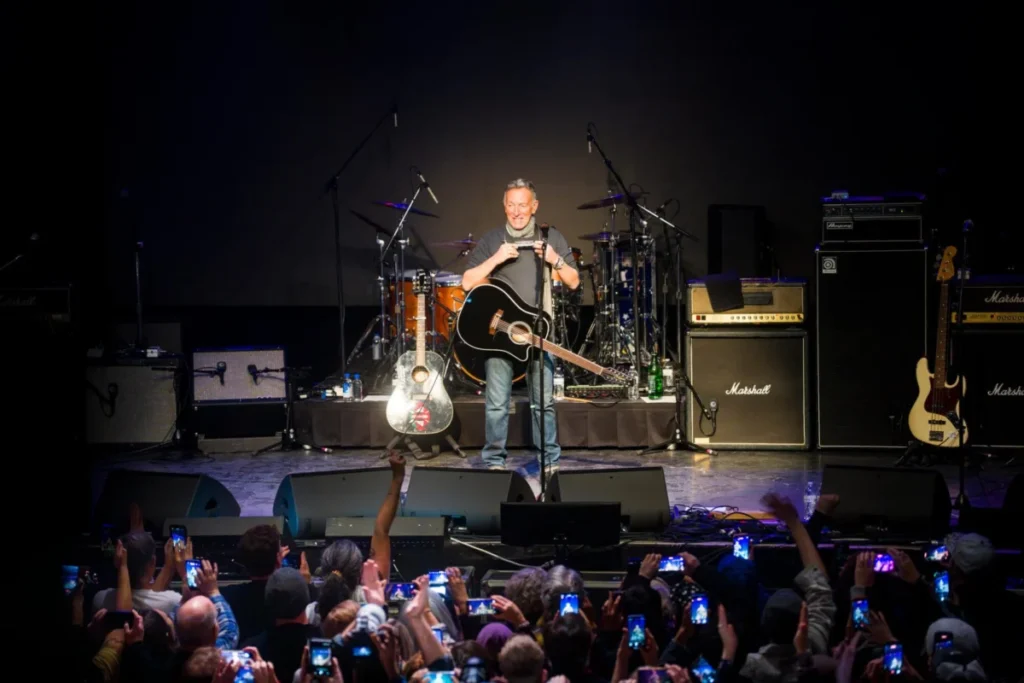

Bruce Springsteen is set to perform his powerful anti-Immigration and Customs Enforcement (ICE) protest song, "Streets of Minneapolis," at the No Kings rally in St. Paul, Minnesota, on Saturday, March 28. This significant appearance comes just days before the legendary musician kicks off his highly anticipated "Land of Hope and Dreams" tour, which begins on Tuesday, March 31, at the Target Center in Minneapolis. The choice of venue and the timing of Springsteen’s performance underscore the song’s potent message and its relevance to current political and social discourse.
A Song Born of Outrage and Solidarity
"Streets of Minneapolis" was surprise-released by Springsteen in January as a direct and impassioned response to what he described as a "deadly incursion" into the city by the Trump administration. The song specifically addresses the tragic killings of two American citizens, Renée Good, a 37-year-old mother of three, and Alex Pretti, a 37-year-old intensive care nurse, during an operation that involved the deployment of federal immigration troops. Springsteen’s lyrics paint a vivid and critical picture of the events, referencing "King Trump’s private army from the DHS" and their arrival in Minneapolis "to enforce the law." The song’s narrative highlights the tension and conflict that arose from the federal intervention, which was reportedly carried out against the wishes of both the governor of Minnesota and the mayor of Minneapolis.
Springsteen’s Commitment to "Meeting the Moment"
In an interview with the Minnesota Star Tribune, Springsteen articulated his motivation for performing the song at the rally. "You want to try to meet the moment," he stated. "The No Kings movement is of great import right now. When you have the opportunity to sing something where the timing is essential and if you have something powerful to sing, it elevates the moment, it elevates your job to another level. And I’m always in search of that." This sentiment reflects a long-standing tradition of artists using their platforms to address social and political injustices, a practice that Springsteen has consistently upheld throughout his career. His decision to perform "Streets of Minneapolis" at this specific event signifies his deep engagement with the issues at hand and his desire to amplify the voices of those protesting against perceived government overreach and brutality.
A Star-Studded Lineup for a Crucial Rally
The No Kings rally, scheduled to take place at the Minnesota Capitol in St. Paul, is anticipated to draw a massive crowd, with Minnesota Public Radio reporting that over 80,000 people are expected to attend. This event marks the third in a series of escalating protests against the Trump administration. Beyond Springsteen’s musical contribution, the rally will feature a notable roster of public figures. Vermont Senator Bernie Sanders, a prominent voice in progressive politics, is slated to speak, alongside acclaimed actress and activist Jane Fonda. The event will also be graced by the presence of folk music icon Joan Baez and rising singer-songwriter Maggie Rogers, further amplifying the message of solidarity and resistance. This convergence of influential individuals from the political and artistic spheres underscores the significance of the No Kings movement and its broad appeal.
The Broader Context: A Nation in Protest
The timing of the No Kings rally and Springsteen’s performance also aligns with a broader wave of national protest. TIME magazine reported that in the midst of a complex geopolitical climate marked by an air war against Iran, soaring gasoline prices, historically low approval ratings for President Trump, and prolonged government shutdowns causing unprecedented airport delays, Saturday, March 28, was anticipated to be one of the largest days of domestic protest in U.S. history, with an estimated 3,000 protests planned nationwide. The events in Minneapolis and St. Paul are thus part of a larger national conversation and a collective expression of dissent against various policies and actions of the Trump administration.
A Precedent of Activism and Artistic Expression
Springsteen’s engagement with "Streets of Minneapolis" is not an isolated incident but rather a continuation of his commitment to social justice. The song itself is a testament to his ability to translate complex socio-political issues into compelling musical narratives. The lyrics, which vividly depict the scene in Minneapolis with lines like, "Through the winter’s ice and cold/ Down Nicollet Avenue/ A city aflame fought fire and ice/ ‘Neath an occupier’s boots," serve as a powerful indictment of the federal response.

This performance follows closely on the heels of another significant public appearance where Springsteen showcased "Streets of Minneapolis." Earlier in the week, he made a surprise appearance at the historic Riverside Church in Manhattan. There, he performed the song and joined forces with fellow artists Patti Smith and Michael Stipe to sing "People Have the Power" at Democracy Now!’s 30th-anniversary event. These performances highlight Springsteen’s dedication to using his art as a tool for advocacy and raising awareness about critical issues.
The "Land of Hope and Dreams" Tour and Its Political Undertones
The "Land of Hope and Dreams" tour, set to commence in Minneapolis, carries its own thematic weight, resonating with the ideals of unity and aspiration. The choice to launch this tour in a city that has been the focal point of significant federal intervention and protest adds another layer of meaning to the upcoming performances. Springsteen’s decision to perform "Streets of Minneapolis" at the No Kings rally is a clear indication that his tour will be imbued with the same spirit of protest and social consciousness that has characterized his recent artistic output.
The tour’s itinerary, beginning in Minneapolis and extending across the nation, will undoubtedly provide Springsteen with further opportunities to connect with audiences on issues that matter. His established reputation as an artist who speaks truth to power suggests that the "Land of Hope and Dreams" tour will be more than just a series of concerts; it will likely be a platform for dialogue, reflection, and continued engagement with the pressing social and political challenges facing the United States. The inclusion of "Streets of Minneapolis" at the No Kings rally serves as an early and powerful statement of intent for the tour and for Springsteen’s ongoing role as a cultural commentator and advocate.
The "No Kings" Movement: A Growing Force
The "No Kings" movement, which the rally is a part of, represents a significant grassroots effort to challenge specific policies and actions of the current administration. The rallies have grown in size and scope, indicating a growing dissatisfaction with the direction of the country. The involvement of high-profile figures like Springsteen, Sanders, and Fonda lends considerable weight and visibility to the movement, attracting broader public attention and encouraging wider participation. The expectation of tens of thousands of attendees at the St. Paul event signals the substantial momentum behind these protests.
The emphasis on "No Kings" itself can be interpreted as a rejection of autocratic or unchecked authority, a theme that resonates with the song "Streets of Minneapolis" and its critique of federal overreach. The movement aims to foster a sense of collective agency and to advocate for policies that prioritize human rights, justice, and democratic principles. The strategic choice of the Minnesota Capitol as the venue for the rally further amplifies the message, directly engaging with state-level governance while also addressing federal actions.
The Significance of Minneapolis as a Focal Point
Minneapolis has, in recent times, become a focal point for discussions surrounding law enforcement, federal intervention, and civil liberties. The specific events that inspired "Streets of Minneapolis" have deeply affected the community and have drawn national scrutiny. Springsteen’s decision to specifically name the city in his protest song and to perform it there underscores the symbolic importance of Minneapolis in the ongoing national dialogue. His connection to the city, both through this song and the upcoming tour launch, solidifies his position as an artist willing to engage directly with the most contentious issues of the day.
The impact of Springsteen’s performance extends beyond the immediate rally. It brings increased media attention to the "No Kings" movement and the underlying issues that fuel it. For attendees, it offers a moment of shared experience and collective affirmation. For the broader public, it serves as a reminder of the power of art to provoke thought, inspire action, and foster a sense of shared responsibility for the nation’s future. The convergence of a beloved musical icon, prominent political figures, and a mobilized citizenry at the Minnesota Capitol on March 28th is poised to be a powerful statement in the ongoing struggle for justice and accountability.