
The contemporary retail landscape is witnessing a significant transformation in how consumers approach the selection of gifts for men, moving away from traditional novelty items toward a more sophisticated synthesis of utility, high-end design, and technological integration. For decades, the retail sector relied on a limited repertoire of "standard" gifts—ranging from basic apparel to generic gadgets—but modern market data suggests a pivot toward "elevated basics" and specialized lifestyle tools. This shift is driven by a more discerning male demographic that prioritizes craftsmanship, provenance, and aesthetic cohesion within the home environment. As the boundary between professional life and personal leisure continues to blur, the demand for items that serve both functional and decorative purposes has reached an all-time high, prompting a reevaluation of what constitutes a "practical" gift in the luxury segment.
The Evolution of Culinary Tech and the Home Barista Movement
One of the most prominent trends in the 2024-2025 gifting cycle is the professionalization of the home kitchen. Market analysts have noted a sharp increase in the "prosumer" category—consumers who purchase professional-grade equipment for domestic use. Leading this charge are appliances that offer specific, high-performance capabilities, such as the Ooni Volt 2 Electric Pizza Oven. Unlike traditional outdoor wood-fired ovens, this transition to electric, indoor-friendly technology allows for year-round utility. Reaching temperatures of 850 degrees Fahrenheit in just 15 minutes, the device represents a broader movement toward high-speed, high-heat cooking techniques that were previously inaccessible to the average home cook.

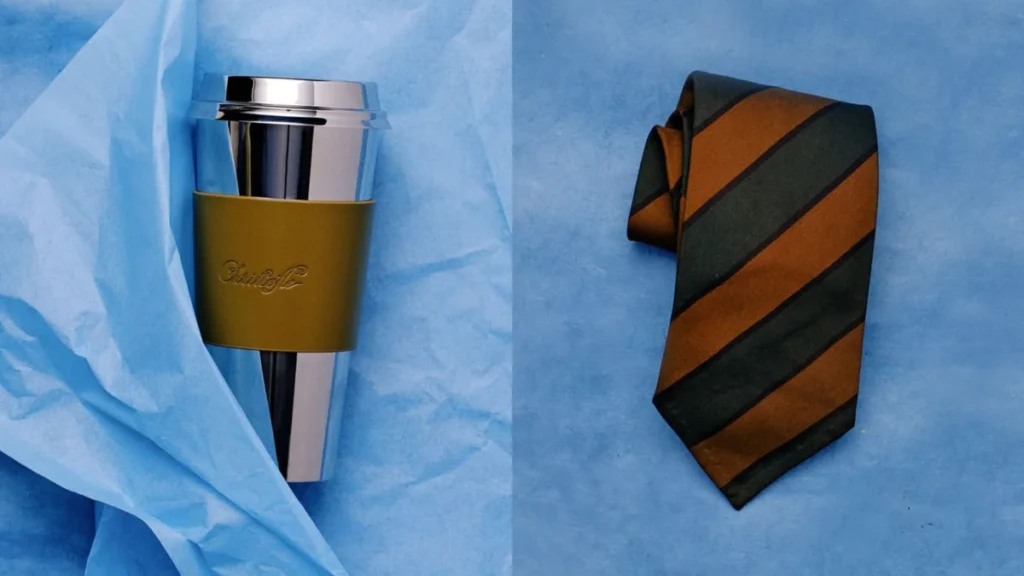
Parallel to the gourmet cooking trend is the sustained growth of the "third-wave" coffee movement. Gift selections now frequently include sophisticated extraction systems like the Breville Barista Express. Industry reports indicate that the global espresso machine market is expected to grow significantly through 2030, fueled by a desire for "cafe-quality" beverages at home. This trend is further supported by educational resources; James Hoffmann’s The World Atlas of Coffee, now in its third edition, has become a foundational text for those looking to understand bean origin and brewing ratios. The inclusion of sculptural elements, such as Tom Dixon’s Bump Espresso Cups or Christofle’s chrome coffee containers with leather sleeves, illustrates how even the most routine morning rituals are being treated as opportunities for design expression.
The Integration of Portable Design and Atmospheric Lighting
In the realm of interior design, the "cordless revolution" has redefined how lighting is utilized within the home. The Louis Poulsen Rumee Portable Table Lamp serves as a primary example of this shift. Historically, high-end lighting was static, constrained by the location of electrical outlets. However, the rise of high-capacity lithium-ion batteries has allowed heritage design houses to create portable versions of their iconic silhouettes. This allows for a more dynamic use of space, where a single light source can transition from a home office desk to an outdoor dining setting.
The emphasis on atmosphere extends beyond visual elements to olfactory and tactile experiences. The luxury candle market, once seen as a female-centric gift category, has expanded its fragrance profiles to include more "earthy" and "moody" notes—such as oud, eucalyptus, and bonfire—to appeal to a broader demographic. Brands like Knickerbocker and Comme des Garçons have successfully positioned these items as "desk essentials" or "study aids," framing the act of lighting a candle as a component of deep work or relaxation rituals.

Chronology of Gifting Trends: From Novelty to Intentionality
To understand the current market, it is necessary to look at the timeline of the last decade. From 2014 to 2018, the "subscription box" era dominated, focusing on monthly deliveries of assorted grooming products or snacks. While convenient, this model often resulted in a surplus of low-utility items. By 2019, a shift toward "Gorpcore"—the adoption of high-performance outdoor gear for urban use—began to take hold. This brought brands like Snow Peak and Yeti into the mainstream gifting conversation.
The 2020-2022 period, marked by global stay-at-home orders, accelerated the focus on "home sanctuary" gifts. During this time, high-fidelity audio equipment, such as Audio-Technica’s direct-drive turntables, saw a massive resurgence. Data from the Recording Industry Association of America (RIAA) confirmed that vinyl records outsold CDs for the first time in decades during this window, cementing the turntable’s status as a premier gift for the modern audiophile. In the post-pandemic era, the trend has evolved into "specialized leisure," where gifts are chosen to support specific, often niche, hobbies like birding, gardening, or advanced mixology.
Leisure, Hobbies, and the Rise of Specialized Tools
The modern man’s leisure time is increasingly defined by "slow" hobbies that require precision tools. Gardening, once viewed through a purely utilitarian lens, has been elevated by the introduction of artisanal equipment. The Onoyoshi Hamono Bud Cutting Shears, featuring leather-wrapped handles, represent the intersection of Japanese blacksmithing traditions and ergonomic luxury. Similarly, the "birding" trend has seen a 30% increase in participation among younger demographics over the last three years. This has created a market for design-forward bird feeders, such as the Pidät Silo, and high-performance optics like Nocs Provisions Standard Issue Binoculars.

The resurgence of analog gaming also plays a vital role in current gifting strategies. Marble chess sets from Arhaus or mirror-polished stainless steel card cases from Georg Jensen are not merely games; they are "coffee table statements." These items reflect a desire to disconnect from digital screens in favor of tactile, intellectual engagement. This "analog revival" is a direct response to the saturation of digital entertainment, positioning traditional games as luxury artifacts.
Apparel and the "Anti-Trend" Philosophy
In the fashion sector, the focus has shifted from fast-fashion cycles to "investment pieces" that offer longevity and versatility. The transition from gym-centric footwear to "dress sneakers," such as the suede offerings from Dries Van Noten, allows for a seamless transition between professional and social environments. This mirrors a broader trend in menswear toward "soft tailoring"—clothing that is comfortable enough for home use but structured enough for public appearances.
High-performance materials are also being applied to traditional silhouettes. Kardo’s embroidered cotton-herringbone jackets provide a functional alternative to the standard raincoat, while Lululemon’s packable "Fast and Free" jackets cater to the active commuter. The inclusion of high-luxury materials like cashmere in everyday items—such as the Yosemite Ribbed Socks by The Elder Statesman or joggers by Naked Cashmere—highlights a move toward "hidden luxury," where the value of the gift is found in the sensory experience of the wearer rather than overt branding.

Market Analysis: The Economic Impact of Quality Gifting
From an economic perspective, the luxury men’s gift market is remarkably resilient. While general retail often fluctuates with consumer confidence, the "prestige" tier of the market tends to remain stable. This is largely due to the "buy less, buy better" philosophy. Consumers are increasingly willing to spend $300 on a single, high-quality alpaca throw blanket from Brooklinen or a handcrafted Japanese grill pan from Saikai Toki, rather than purchasing multiple lower-priced alternatives.
This behavior is supported by the concept of "cost-per-use." A professional-grade espresso machine or a durable leather-bound Smythson notebook may have a higher initial price point, but their longevity and daily utility provide a better return on investment over time. Retailers have responded by emphasizing the story behind the product—the "provenance"—whether it is the 100% vegetable wax in a candle or the cryogenic tempering of a Material knife set.
Implications for the Future of Retail
The implications of this shift are profound for both retailers and designers. As men continue to curate their living spaces with the same intentionality previously reserved for their wardrobes, the "home" category will likely continue to expand. We are moving toward an era where the "best gift" is defined by its ability to integrate into a lifestyle of wellness, productivity, and aesthetic pleasure.

The successful gift-giver in this new landscape is one who recognizes that "practicality" is no longer about basic needs, but about enhancing the quality of daily rituals. Whether it is a vacuum-compressed travel bag for the frequent flyer or a sophisticated water filtration system from Boroux for the health-conscious individual, the modern gift is a tool for better living. As the market continues to mature, the focus will remain on products that offer a harmonious balance of form, function, and the enduring appeal of high-quality craftsmanship.