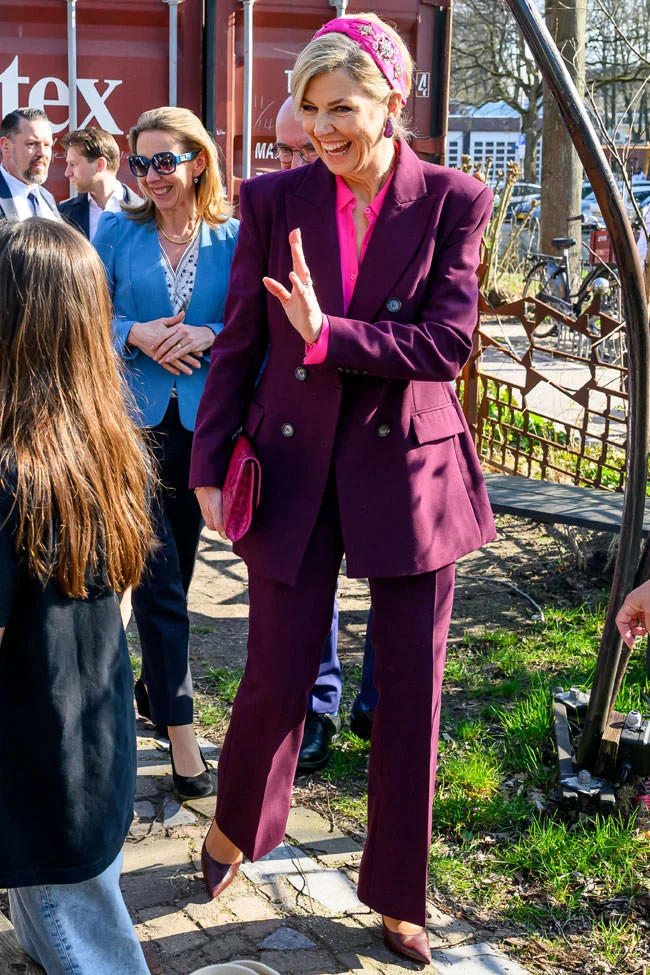

The city of Utrecht served as the backdrop for a significant diplomatic and environmental engagement this week as Queen Máxima of the Netherlands officially commenced her working visit in observance of Circular Economy Week. The Queen’s presence at the event underscores the Dutch monarchy’s ongoing commitment to sustainable development and the transition toward a resource-efficient economy. Dressed in a striking purple tailored suit from the high-street retailer Zara, the Queen utilized her public platform to highlight the critical intersection of economic growth and environmental stewardship.
Circular Economy Week, an annual initiative in the Netherlands, aims to accelerate the transition to a circular society by showcasing practical solutions, fostering innovation, and encouraging collaboration between the public and private sectors. For the 2026 observance, the focus has shifted toward scalable industrial applications and the role of small to medium-sized enterprises (SMEs) in reducing raw material consumption. Queen Máxima’s visit specifically targeted regional hubs where circularity is being moved from theoretical concepts into tangible business models.
The Significance of Circular Economy Week in the Netherlands
The Netherlands has long positioned itself as a global leader in the transition to a circular economy. The Dutch government has set ambitious targets, including a 50% reduction in the use of primary raw materials (minerals, fossil fuels, and metals) by 2030, with the ultimate goal of achieving a fully circular economy by 2050. Circular Economy Week serves as the primary national vehicle for monitoring progress toward these milestones.
During her visit to Utrecht, Queen Máxima engaged with entrepreneurs and innovators who are reimagining the lifecycle of products. The circular model departs from the traditional "take-make-dispose" linear economy, instead prioritizing the "R-ladder" strategy: Refuse, Reduce, Reuse, Repair, Refurbish, Remanufacture, Repurpose, Recycle, and Recover. By attending these sessions, the Queen emphasized that sustainability is not merely an environmental necessity but a robust driver of future economic resilience.
Chronology of the Working Visit
The Queen’s itinerary began in the heart of Utrecht’s innovation district, where she was received by local officials and representatives from the Circular Economy Week steering committee. The morning sessions were dedicated to "Circular Entrepreneurship," featuring a roundtable discussion with founders of startups that specialize in bio-based construction materials and textile recycling.
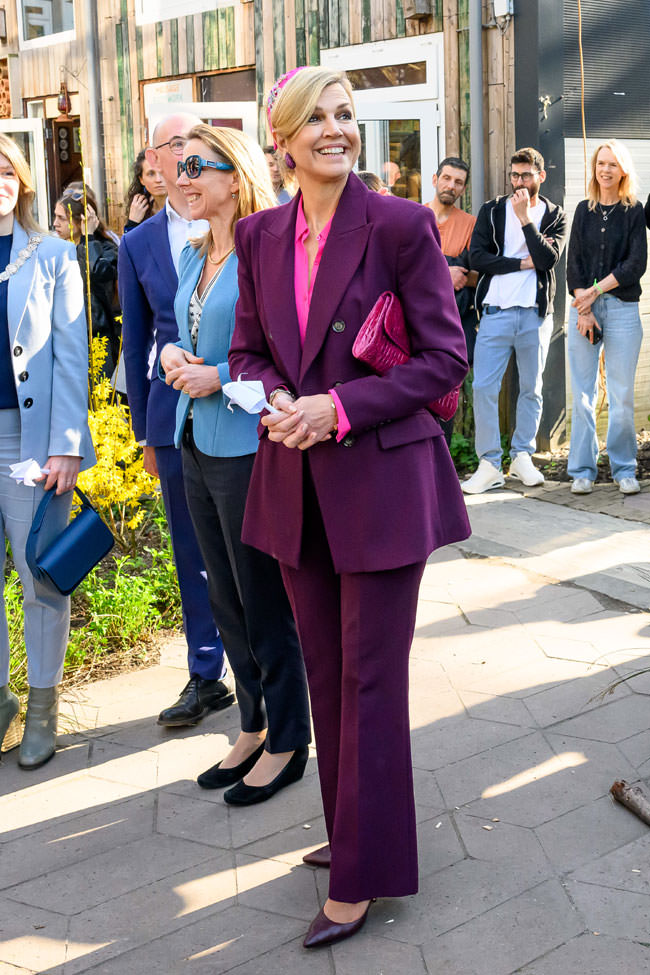
Following the discussions, Queen Máxima toured a series of "living labs"—collaborative spaces where researchers and businesses test circular products in real-world settings. A primary stop included a facility dedicated to the "urban mining" of electronic waste, where precious metals are recovered from discarded devices to be reintroduced into the manufacturing chain.
By midday, the Queen moved to a communal workspace that exemplifies circular architecture, constructed almost entirely from repurposed steel and reclaimed wood. Here, she observed demonstrations of new digital "material passports," which track the origins and composition of building materials to ensure they can be easily sorted and reused at the end of a building’s functional life.
Analysis of the Royal Fashion Strategy
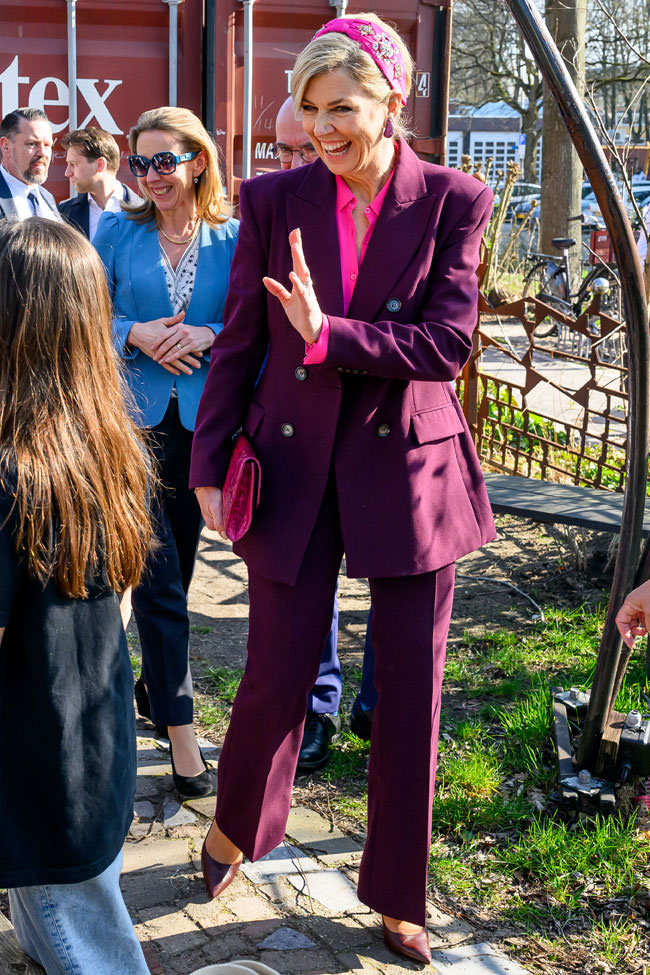
In a move that resonated with the theme of the week, Queen Máxima opted for a high-street ensemble rather than haute couture. Her choice of a purple Zara suit—a brand known for its global reach and accessible price points—was interpreted by observers as a nod toward the democratization of fashion and a practical approach to royal duty.
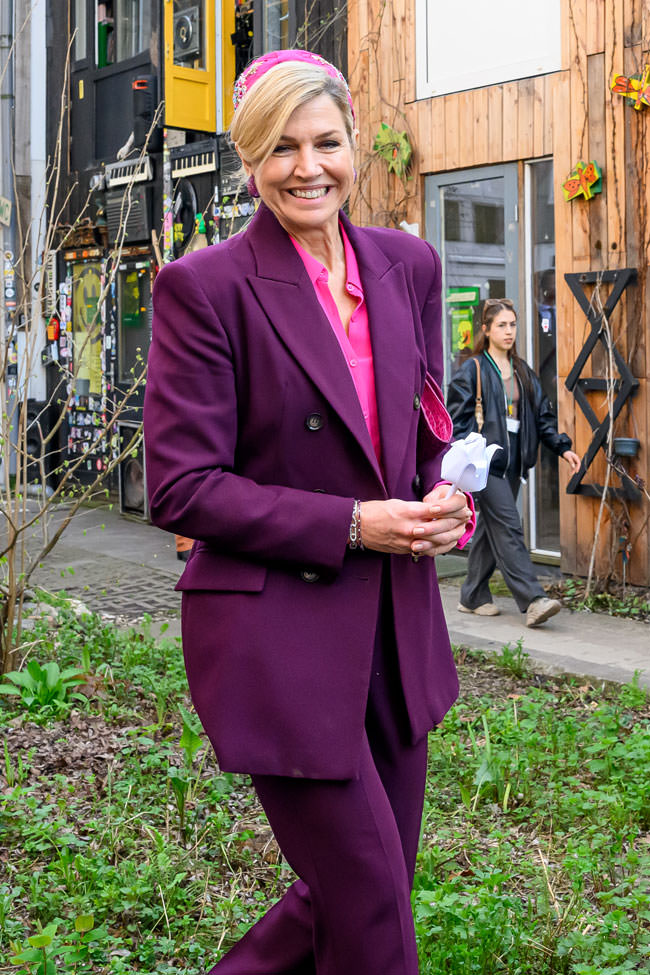
While the fashion industry is often criticized for its environmental footprint, the Queen’s choice to wear a mass-market brand during Circular Economy Week sparked a broader conversation about the role of large-scale retailers in the green transition. Zara’s parent company, Inditex, has recently publicized commitments to use 100% preferred fibers (those with a lower impact on the environment) by 2030.
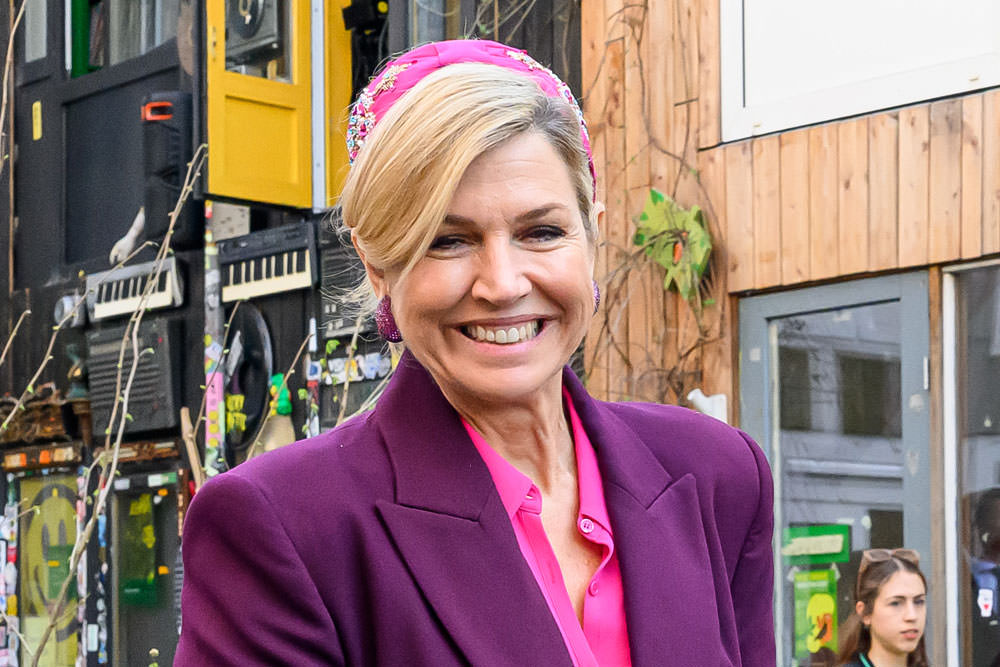
The Queen paired the vibrant suit with a distinctive floral headband and a set of coordinated accessories. Fashion analysts noted that the inclusion of the headband provided a whimsical contrast to the sharp tailoring of the blazer and trousers. However, the choice of footwear—neutral-toned pumps rather than a direct color match to the purple fabric—indicated a departure from the monochromatic styling often favored by European royals. This subtle shift suggests a more modern, eclectic approach to professional dressing that aligns with her role as a contemporary working royal.
Supporting Data: The Economic Impact of Circularity
The importance of Queen Máxima’s visit is backed by significant economic data regarding the Dutch green sector. According to reports from the Netherlands Environmental Assessment Agency (PBL), circular activities currently contribute approximately 3.5% to the Dutch Gross Domestic Product (GDP) and account for over 400,000 jobs.
Expanding circularity is projected to provide an even greater economic boon. Research indicates that a more efficient use of materials could yield an annual savings of over €7 billion for the Dutch economy while simultaneously reducing carbon emissions by 10% to 15%. Furthermore, the transition is expected to create an additional 50,000 jobs by 2030, particularly in the repair, maintenance, and high-tech recycling sectors.
Queen Máxima, who also serves as the United Nations Secretary-General’s Special Advocate for Inclusive Finance for Development (UNSGSA), often bridges the gap between financial inclusion and sustainable growth. Her interest in Circular Economy Week reflects a holistic view that economic stability for small entrepreneurs is inextricably linked to their ability to adapt to resource scarcity and climate-related regulations.
Official Responses and Stakeholder Engagement
Representatives from the Dutch Ministry of Infrastructure and Water Management, which oversees the circular transition, expressed gratitude for the Queen’s involvement. A spokesperson for the Ministry stated, "The presence of Her Majesty Queen Máxima provides an invaluable spotlight on the pioneers of the circular economy. Her ability to connect with business owners and understand the financial complexities of the green transition helps elevate the national dialogue on how we achieve our 2050 targets."
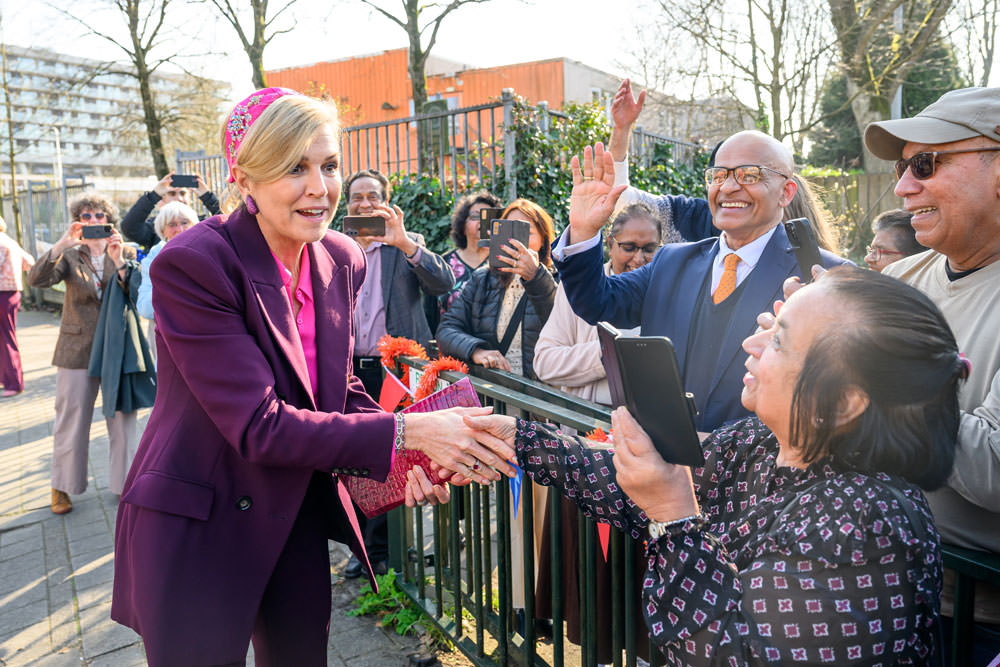
Entrepreneurs who participated in the roundtable discussions noted the Queen’s detailed knowledge of supply chain logistics. "She didn’t just ask about the products; she asked about the scalability and the barriers to entry in the current market," said one Utrecht-based innovator specializing in recycled plastics. "It is clear she views circularity as a serious economic pillar, not just a trendy topic."
Broader Implications for the Monarchy and the Environment
The visit comes at a time when European monarchies are increasingly aligning themselves with environmental causes. Following the example of King Charles III in the United Kingdom and Crown Prince Frederik of Denmark, the Dutch Royal House has integrated sustainability into its core public messaging.
By choosing to visit Utrecht during Circular Economy Week, Queen Máxima has reinforced the message that the monarchy remains relevant by championing the most pressing issues of the 21st century. The visual impact of her attire, combined with the substantive nature of her meetings, serves a dual purpose: it maintains the public interest required for the "royal effect" to be successful, while ensuring that the focus remains on the ingenuity of the Dutch people in solving global crises.
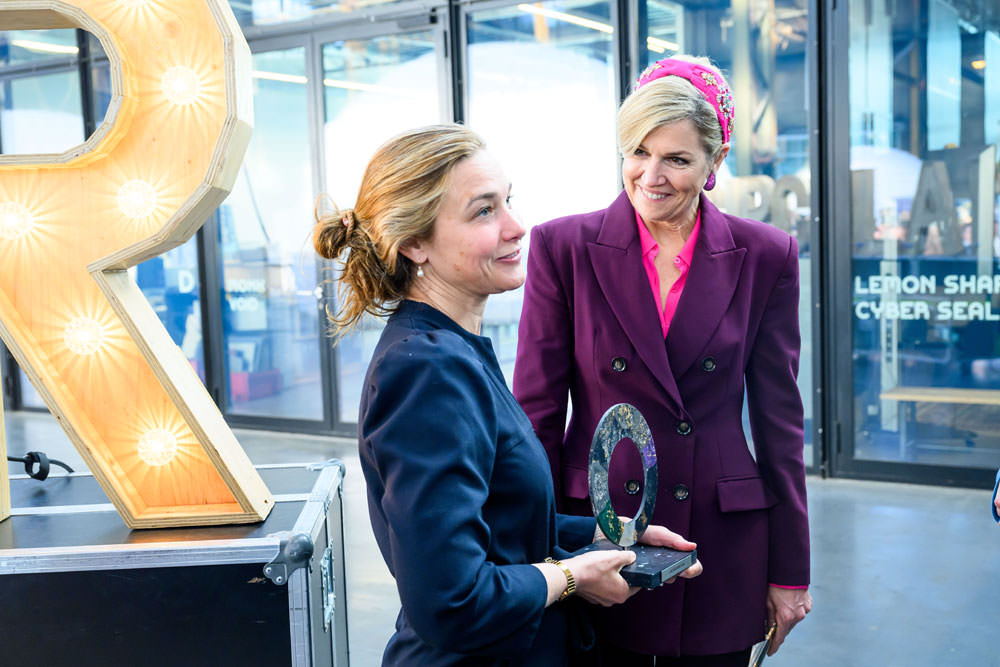
As the Netherlands continues its journey toward a waste-free future, the involvement of high-profile figures like Queen Máxima is essential for maintaining momentum. The transition requires not only technological innovation and legislative support but also a cultural shift in how society perceives value, waste, and consumption. Through her working visits, the Queen provides a visible endorsement of this new economic paradigm, suggesting that a circular future is not only necessary but also stylish and profitable.
The remainder of Circular Economy Week will see hundreds of events across the Netherlands, including "Circular Awards" ceremonies and workshops for local municipalities. While the Queen’s visit to Utrecht has concluded, the impact of her engagement is expected to resonate throughout the week, encouraging more businesses to adopt the sustainable practices she highlighted during her time in the city.