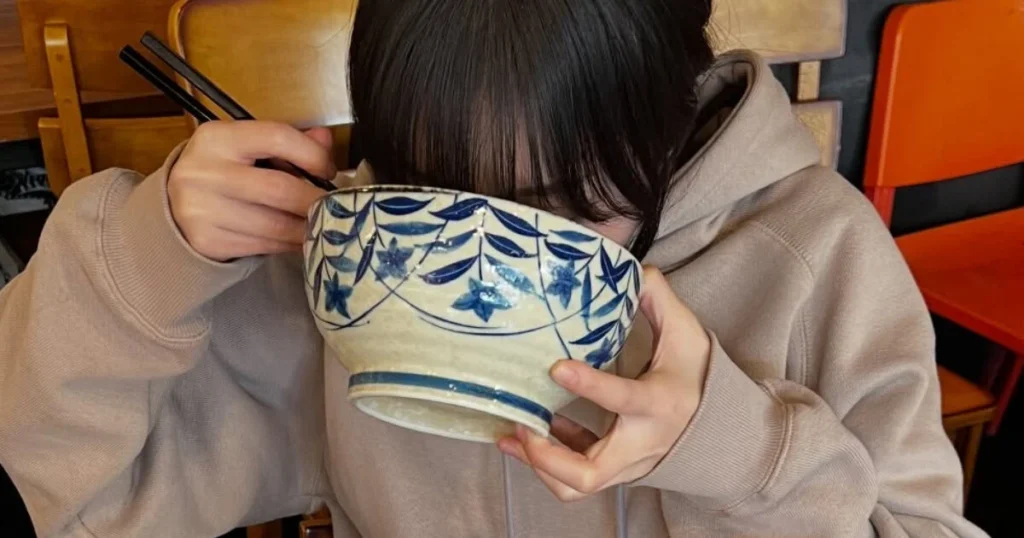

The Seoul Central District Prosecutors’ Office has officially indicted an individual, identified only by the surname Oh, on charges of defamation under the Act on Promotion of Information and Communications Network Utilization and Information Protection. Oh, a former college acquaintance of the prominent South Korean mukbang creator Tzuyang (legal name Park Jung-won), was found guilty of disseminating false information regarding the authenticity of Tzuyang’s content. The prosecution has sought a summary order for a fine of ₩7.00 million KRW (approximately $4,650 USD), marking a significant legal victory for the creator in her ongoing battle against organized character assassination and extortion.
The case centers on allegations that Oh provided false information to other YouTube personalities with the intent to damage Tzuyang’s reputation. According to investigative reports from MBC and other domestic news outlets, Oh contacted the YouTuber known as Jujak Gambyeolsa (real name Jeon Pyo-jun) in November 2020. During this communication, Oh claimed to have witnessed physical evidence that Tzuyang was "purging"—the practice of vomiting after consuming large quantities of food—following a specific filming session. This practice, often referred to in the industry as "spit and edit" or "chew and spit," is considered a career-ending accusation for mukbang creators, whose popularity relies on the perceived authenticity of their immense caloric intake.
The Prosecution’s Findings and Evidence
The core of the prosecution’s case rested on the factual discrepancy between Oh’s claims and the reality of Tzuyang’s filming schedule. Oh had specifically alleged that on the day Tzuyang filmed a "giant pasta mukbang" at a restaurant in Hongdae, Oh had observed traces of vomit in the vicinity, suggesting the creator had not actually digested the meal.
However, during the rigorous investigation conducted by the Seoul Central District Prosecutors’ Office, it was discovered that Oh’s timeline was fundamentally flawed. Prosecutors established that the date Oh met with Tzuyang coincided only with the date the pasta mukbang video was broadcast on YouTube, not the date it was actually recorded. Furthermore, witness testimony from staff members and bystanders present during the actual filming date corroborated Tzuyang’s account, confirming that no such incident had occurred.
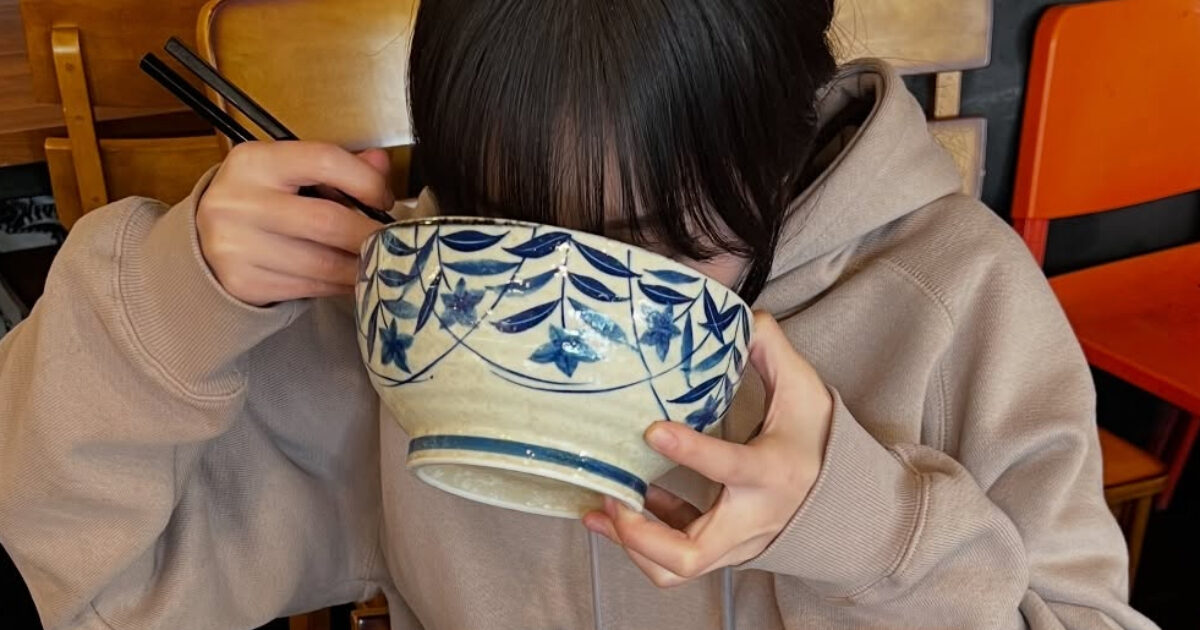
Despite Oh’s persistent claims during the investigation that the allegations were true, the prosecution concluded that the tip was fabricated with malicious intent. The decision to seek a ₩7.00 million KRW fine reflects the severity with which South Korean courts are beginning to treat digital defamation, particularly when it targets the livelihood of public figures.
A Timeline of the Defamation Campaign
The legal proceedings against Oh are inextricably linked to a broader web of extortion and harassment that has targeted Tzuyang for several years. To understand the gravity of the recent verdict, it is necessary to examine the chronology of events that led to this point:
- November 2020: Oh provides the false "purging" tip to Jujak Gambyeolsa, alleging they saw evidence of Tzuyang vomiting after a pasta mukbang.
- 2020–2023: Tzuyang continues her career while privately dealing with systemic abuse and extortion from her former manager and ex-boyfriend. During this time, several "cyber wreckers" (YouTubers who profit from controversy) allegedly begin gathering "dirt" on her.
- July 2024: Jujak Gambyeolsa airs the tip provided by Oh on his YouTube channel. This broadcast was part of a coordinated effort by several creators to pressure Tzuyang.
- Late 2024: Investigations into a group of YouTubers, including Jujak Gambyeolsa and Gujeyeok (Lee Jun-hee), reveal a conspiracy to blackmail Tzuyang. It is discovered that they extorted tens of millions of won from her by threatening to reveal details of her past and her private life.
- Early 2025: Jujak Gambyeolsa is convicted of blackmail and receives a sentence of one year in prison, suspended for three years.
- March 2026: The Seoul Central District Prosecutors’ Office concludes the investigation into the original source of the false rumors, resulting in the indictment and fine for Oh.
The Role of "Cyber Wreckers" in the Korean Media Landscape
This case has cast a harsh spotlight on the phenomenon of "cyber wreckers" in South Korea. These are content creators who specialize in "sniping" or "exposing" celebrities and fellow influencers. While some claim to be acting in the public interest, many have been accused of using unverified tips—like the one provided by Oh—to extort money or generate massive advertising revenue through sensationalism.
In Tzuyang’s case, the misinformation provided by Oh served as ammunition for these creators. By claiming that Tzuyang was deceiving her audience regarding her eating habits, Oh provided the "wreckers" with a narrative that could potentially destroy her multi-million subscriber platform. The court’s decision underscores the legal responsibility of individuals who provide false tips, not just the platforms that broadcast them.
The "Spit and Edit" Controversy: Industry Implications
For a mukbang creator of Tzuyang’s stature, the accusation of "spitting and editing" is more than a personal insult; it is a direct attack on her professional integrity. The mukbang genre, which originated in South Korea and became a global phenomenon, is built on a foundation of trust. Viewers tune in to watch the feat of consuming massive quantities of food in real-time.

When rumors of purging or "spit and edit" surface, they often lead to "cancel culture" movements. Several high-profile creators in the past have had their careers ruined or severely stalled by such allegations. By taking legal action against Oh, Tzuyang has set a precedent for other creators to defend themselves against unsubstantiated claims that target the core of their content.
Official Responses and Public Reaction
While Tzuyang’s legal team has maintained a professional distance from the media during the proceedings, her agency has previously expressed a commitment to "zero tolerance" regarding false rumors. In previous statements, her representatives emphasized that the mental toll of these accusations, combined with the financial extortion she faced, has been immense.
The public reaction in South Korea has been largely supportive of the YouTuber. Many fans have pointed out the irony of a "friend" or "acquaintance" attempting to sabotage a successful peer. Social media discussions have centered on the need for stricter penalties for digital defamation, with some arguing that a ₩7.00 million KRW fine is insufficient given the potential damage such rumors can cause to a creator’s brand, which is often valued in the millions of dollars.
Broader Impact and Legal Precedents
The indictment of Oh is part of a larger trend in South Korean jurisprudence toward holding individuals accountable for digital misconduct. The Information and Communications Network Act is increasingly being used to bridge the gap between traditional libel laws and the complexities of the social media age.
This case highlights several key legal and social implications:

- Verification of Sources: The prosecution’s focus on the discrepancy between the broadcast date and the filming date serves as a warning to those who attempt to fabricate "eyewitness" accounts.
- Protection of Digital Entrepreneurs: Content creators are now recognized as legitimate business entities whose reputations are assets protected by law.
- The End of Anonymity: The investigation into Oh demonstrates that even private tips provided to third parties can be traced and prosecuted if they result in the spread of false information.
Conclusion: A Path Toward Accountability
The conviction of Oh marks the closing of a painful chapter for Tzuyang, who has spent much of the last two years defending her character against both private extortionists and public detractors. By systematically dismantling the false claims regarding her content, the South Korean legal system has affirmed the factual basis of her work.
As the "cyber wrecker" culture continues to face scrutiny from the Ministry of Justice and the public alike, the Tzuyang case stands as a landmark example of the consequences of spreading misinformation. It serves as a reminder that the digital space is not a lawless frontier and that the bond between a creator and their audience—built on years of consistent content—cannot be easily severed by the malicious fabrications of a former acquaintance. For Tzuyang, the verdict is not just a legal win, but a restoration of the professional credibility that has made her one of the most beloved figures in the global mukbang community.