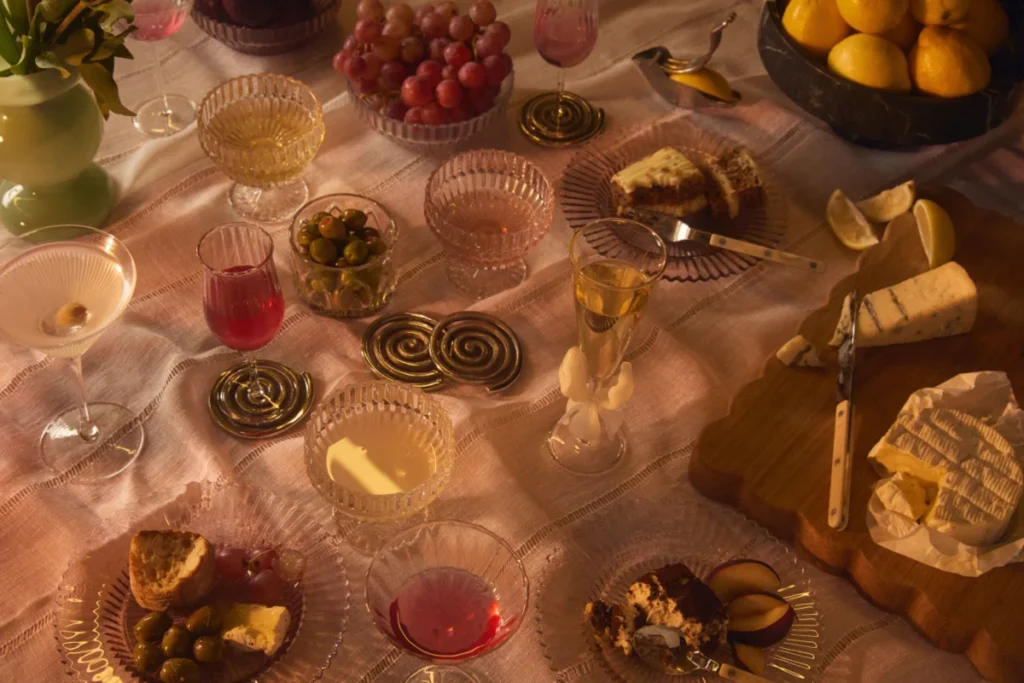

The modern interior design landscape is defined by a delicate tension between the desire for social connectivity and the imperative to protect high-value domestic assets. For the discerning homeowner, the sight of a condensation-heavy glass resting directly upon a midcentury heirloom or a custom-veneered coffee table is a source of profound aesthetic anxiety. This phenomenon has elevated the beverage coaster from a mere utilitarian discard to a critical element of "tablescaping" and a psychological safeguard for the host. As the luxury home goods market continues to expand—projected to reach a global valuation of over $800 billion by 2030—the demand for accessories that function as both "beta blockers" for the stressed host and dignified pieces of home decor has never been higher.

The Psychology of Hosting and the Cost of Surface Damage
The role of a host is inherently performative, requiring the balancing of guest comfort with the preservation of the environment. However, the "water ring" disaster—a cloudy white blemish caused by moisture trapped within a wood finish—remains a persistent threat to this balance. In professional furniture restoration circles, these blemishes are known as "blushing." They occur when moisture from a cold glass penetrates the surface layer of wax or lacquer, altering its reflective properties. If left untreated, or if the moisture reaches the wood fibers themselves, it can lead to "black rings," a permanent chemical reaction between water and the tannins in the wood.
Given that the restoration of a high-end burl wood or marble surface can cost thousands of dollars, the acquisition of high-quality coasters is increasingly viewed as an essential insurance policy. The move away from ubiquitous, low-cost cork or pulpboard coasters—often associated with "dive bar" aesthetics—reflects a broader trend toward "quiet luxury," where every functional object in a home is expected to signal the owner’s taste and attention to detail.

A Chronology of the Coaster: From Wine Sliders to Functional Art
The history of the coaster is rooted in the 18th-century "decanter coaster" or "bottle slider." These were silver or wood trays with felt bottoms, designed to allow wine bottles to be slid across polished mahogany tables without scratching the wood. The transition to individual glass coasters occurred in the late 19th century. In 1880, the German printing company Friedrich Horn produced the first cardboard "beermat," but it was not until the mid-20th century that coasters became a standard household accessory.
In the current era, the coaster has undergone a second evolution: from a disposable protective layer to a collectible object of art. Designers are now utilizing materials ranging from industrial resin and heavyweight stainless steel to hand-woven palm and Italian leather, ensuring that the coaster is as much a conversation piece as the furniture it protects.
.jpeg)
Material Analysis: The Top Selections for Surface Protection
The following selections represent the current pinnacle of coaster design, categorized by their material composition, durability, and aesthetic contribution to the home.
1. Resin: The Avant-Garde Statement
The Table-Mates by Gaetano Pesce (Set of 2, $40) represent a significant intersection between industrial design and fine art. Pesce, the late Italian visionary known for his "goopy" resin vases, utilized hyper-saturated colors—lilac, fuchsia, and fuchsia—to create coasters that demand attention. Unlike stone or wood, resin is non-porous and impervious to moisture, making it an ideal material for high-condensation environments. These pieces are frequently highlighted by industry experts, including Architectural Digest Shopping Director Rachel Fletcher, as essential "taste indicators."

2. Stainless Steel: Industrial Resilience
For those seeking a more minimalist, architectural look, the Holcomb Studio Puddle Coasters ($48) offer a heavyweight solution. These coasters feature a raised rim, a design choice inspired by the need to capture and contain condensation before it can overflow onto the table surface. The inclusion of a non-slip pad on the underside provides a secondary layer of protection against mechanical scratches. Interestingly, these items have gained a reputation for versatility, with some users employing them as small-scale serving platters for appetizers.
3. Pewter: The Heirloom Quality
The Quarters Pewter Coasters (Set of 2, $134) draw upon the long tradition of Italian pewter craftsmanship. Pewter is a metal alloy that does not tarnish as easily as silver, maintaining a soft, organic luster over time. These coasters feature uneven cylindrical shapes and embossed logos, signaling a "handmade" quality that appeals to collectors of vintage and antique objects.

4. Stone and Marble: The Luxury Standard
Stoneware remains a perennial favorite in high-end interiors due to its perceived weight and permanence. The Lulu and Georgia Caprera Coasters (Set of 4, $84) utilize marble with a subtle lip. While marble is a classic choice, it requires careful maintenance; the "blushing" that occurs on wood can also occur on certain stone finishes if acidic liquids (such as citrus-based cocktails) are allowed to sit. However, as a heat-resistant and impenetrable material, marble offers a level of protection that pulpboard cannot match.
5. Woven Fibers: Artisanal Provenance
The CasaLatina Amazonia Handwoven Iraca Palm Coasters (Set of 6, $215) highlight the growing market for ethically sourced, artisanal goods. Hand-woven in Colombia from iraca palm, these coasters are heat-resistant and eco-friendly. They represent a departure from the "coastal" cliches of the past, offering a refined, spiraled aesthetic that serves as a spectacular housewarming gift or a statement piece for a seaside residence.

6. Leather and Lucite: The Modernist Range
For the minimalist, the Cassigoli Beige Coasters (Set of 6, $275) offer a "wealthy" aesthetic reminiscent of luxury fashion houses like The Row. These leather pieces provide a soft interface between the glass and the table, though they require more care to avoid staining. Conversely, the Tizo Lucite Coasters (Set of 4, $89) offer a honey-colored, "Space Age" look. Lucite is exceptionally durable and easy to clean, making it a practical choice for everyday use without sacrificing visual interest.
7. Natural Hide and Ceramic: Textural Variation
The Arhaus Cheetah Print Coasters (Set of 4, $100) are crafted from real natural hair hide, providing a tactile, festive element to a living room. For a more whimsical approach, the Slow Roads Duck Pond Coasters (Set of 4, $148) are hand-painted in Poland. These ceramic pieces feature felt feet to prevent scratching, combining playful artisanship with high-functioning protection.

Broader Market Impact and the "Tablescaping" Trend
The rise of high-end coasters is inseparable from the social media-driven trend of "tablescaping." Platforms like Instagram and Pinterest have turned the dining and coffee table into a canvas for personal expression. In this context, the coaster is no longer hidden; it is curated. Data from retail analysts suggests that consumers are increasingly willing to spend upwards of $200 on a set of coasters if the items align with their broader interior design narrative.
Furthermore, the "gift economy" has embraced the luxury coaster. As younger generations move into their first homes, high-quality, durable home accessories have replaced traditional registry items like fine china. A set of hand-woven iraca palm coasters or Gaetano Pesce resins serves as a marker of adulthood and a commitment to the long-term care of one’s environment.

Expert Analysis: Why Maintenance Matters
The "kind of person who trembles at watermarks," as the original text notes, is often the same person who understands the intrinsic value of material longevity. In an era of "fast furniture," owning pieces that require the protection of a $100 coaster set is a subtle signifier of quality.
Industry experts suggest that the most effective coaster is one that addresses three specific factors:

- Absorbency or Containment: Does the material absorb moisture (like stone or cork) or contain it via a rim (like stainless steel)?
- Thermal Insulation: Does it protect the table from heat damage (white rings from coffee mugs)?
- Mechanical Protection: Does the bottom of the coaster prevent scratches when a glass is moved?
The transition toward materials like resin, stainless steel, and pewter suggests a consumer preference for items that are not only beautiful but are "built to last." While some pieces, such as the resin or stainless steel options, may occasionally be dishwasher-safe, the majority of high-end coasters require hand-cleaning—a small price to pay for the "sense of calm" they provide in an environment where a single dripping glass could otherwise signal a design disaster.
Conclusion
The beverage coaster has successfully transitioned from a pub-side afterthought to a cornerstone of the sophisticated home. By selecting materials that reflect personal style—be it the vibrant resins of Gaetano Pesce or the understated leather of Cassigoli—hosts can effectively manage the stresses of entertaining. Ultimately, these nine selections demonstrate that the best defense against the "hellish landscape of design disasters" is a well-placed, dignified piece of home decor. In the world of high-end interior design, the coaster is the ultimate "beta blocker," ensuring that the only thing that leaves a lasting impression on guests is the host’s impeccable taste, rather than a permanent watermark on the furniture.