

The global cinematic community and the family of Bruce Willis marked a significant milestone this week as the legendary actor celebrated his 71st birthday. While the occasion was a time for reflection on his storied career, it also served as a platform for his wife, Emma Heming Willis, to provide a poignant update on the actor’s health journey. Since his retirement from the public eye in 2022, Willis has been navigating the complexities of a neurodegenerative condition that has fundamentally altered his life and the lives of his loved ones. In her latest communication, Emma Heming Willis emphasized that despite the progression of his illness, the Die Hard star remains "very much present," maintaining a deep, albeit non-verbal, connection with his family.
The transition from Hollywood icon to a patient requiring specialized care has been a public and emotional journey. Willis’s health challenges first became public knowledge in March 2022, when his family announced his retirement due to a diagnosis of aphasia. However, as symptoms progressed, a more specific and sobering diagnosis was delivered in February 2023: frontotemporal dementia (FTD). This condition, which differs significantly from the more common Alzheimer’s disease, affects the frontal and temporal lobes of the brain, leading to profound changes in personality, behavior, and language.
Understanding the Medical Reality of Frontotemporal Dementia
Frontotemporal dementia represents a group of brain disorders caused by progressive nerve cell loss. According to the Association for Frontotemporal Degeneration (AFTD), FTD is the most common form of dementia for people under the age of 60, though it can strike older individuals as well. Unlike Alzheimer’s, which is typically characterized by memory loss in its early stages, FTD often manifests as dramatic changes in social conduct, emotional regulation, and communication skills.
In the case of Bruce Willis, the initial diagnosis of aphasia—a condition that impairs the ability to process and produce language—was the first clinical sign of the underlying neurodegeneration. As the FTD progressed, the actor’s verbal capabilities diminished significantly. Emma Heming Willis has been transparent about these challenges, noting that while the "traditional" ways of communicating have faded, the family has learned to adapt to his new reality. She described their current bond as a "beautiful" form of connection that transcends spoken words, relying on presence, touch, and shared moments.
A Timeline of the Bruce Willis Health Crisis
The timeline of Willis’s health journey reflects a rapid and challenging shift for the actor and his blended family.
- March 2022: The Willis family, including his ex-wife Demi Moore and their three adult daughters, released a joint statement announcing Bruce’s retirement from acting. They cited his diagnosis of aphasia, noting it was "impacting his cognitive abilities."
- Late 2022: Reports surfaced regarding Willis’s difficulty on film sets in the years leading up to his retirement. Colleagues noted he struggled to remember lines and occasionally appeared confused about his surroundings, suggesting the onset of symptoms had begun years prior.
- February 2023: The family provided a definitive update, confirming that his condition had progressed to frontotemporal dementia. They expressed relief at finally having a clear diagnosis, despite the lack of a known cure.
- August 2023: Emma Heming Willis began utilizing her platform to advocate for "care partners," a term she prefers over "caregivers." She has been vocal about the "grief and sadness" involved in watching a spouse decline while remaining committed to finding "pockets of joy."
- March 2024: On his 71st birthday, the family celebrated Willis’s resilience, using the milestone to raise funds for FTD research and awareness.
Strategic Care and the "Separate Home" Decision
One of the more discussed aspects of Willis’s care involves the logistical arrangements of his daily life. Reports surfaced that the actor resides in a separate, specially equipped home rather than the primary residence shared by Emma and their two young daughters, Mabel (born 2012) and Evelyn (born 2014). This decision, while initially met with public curiosity, was a strategic move designed to balance the complex needs of a dementia patient with the developmental needs of young children.
Medical experts in dementia care often advocate for environments that are highly structured and low-stress for the patient. By maintaining a dedicated space for Bruce, the family can provide 24-hour professional medical assistance and a "low-stimulation" environment that helps mitigate the agitation or confusion often associated with FTD. Simultaneously, this arrangement allows Mabel and Evelyn to maintain a sense of normalcy in their own home life, protecting them from the most taxing aspects of the disease’s daily progression while still ensuring they spend quality time with their father in a controlled, positive setting.
The Role of Emma Heming Willis as an Advocate
Emma Heming Willis has emerged as a leading voice in the FTD community. Rather than retreating from the public eye, she has leaned into the role of advocate, launching the Emma & Bruce Willis Fund. This initiative is dedicated to raising awareness and supporting the AFTD in its mission to fund research for treatments and, eventually, a cure.
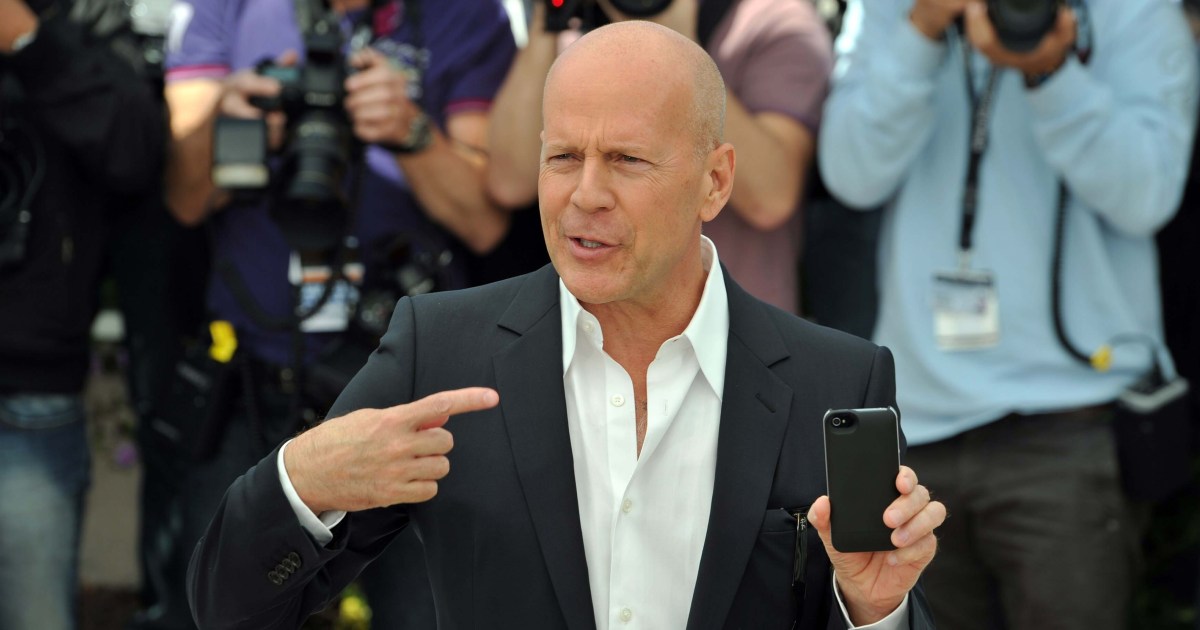
On Bruce’s 71st birthday, Emma urged followers to contribute to the fund, highlighting the lack of resources currently available for FTD compared to other neurodegenerative diseases. She has frequently appeared on news programs, such as the Today show, to discuss the "hard" reality of the disease. "Dementia is hard," she famously stated. "It’s hard on the person diagnosed, it’s also hard on the family. And that is no different for Bruce, or myself, or our girls. When they say this is a family disease, it really is."
Her advocacy also focuses on the mental health of the care partner. She has been candid about the "doom and gloom" that can accompany such a diagnosis, emphasizing the importance of community support and self-care for those in similar positions.
The Support of a Blended Family
The Willis family has long been cited as a model for successful co-parenting and blended family dynamics. Throughout this health crisis, the unity between Emma Heming Willis and Bruce’s former wife, Demi Moore, has been a source of strength. Moore, along with her daughters Rumer, Scout, and Tallulah, has been an integral part of Bruce’s support system.
The family frequently gathers for holidays and birthdays, sharing glimpses of their life on social media to humanize the experience of living with dementia. Tallulah Willis has spoken openly about the "early signs" she noticed, admitting that she initially took her father’s lack of responsiveness personally before understanding the clinical nature of his decline. This collective openness has been praised by mental health professionals for helping to destigmatize dementia and encouraging other families to seek early intervention and support.
Broader Implications for Public Health and the Aging Population
The public nature of Bruce Willis’s battle with FTD has significant implications for public health awareness. For many, Willis was the quintessential "tough guy," the hero of high-octane action films who seemed invincible. Seeing him vulnerable to a cognitive disease serves as a powerful reminder of the universal nature of aging and neurodegeneration.
Data from the Alzheimer’s Association indicates that as the global population ages, the prevalence of dementia is expected to rise dramatically. While Alzheimer’s remains the most common form, the "rare" nature of FTD often leads to misdiagnosis—frequently being mistaken for depression or other psychiatric disorders. By putting a world-famous face to FTD, the Willis family is driving a surge in interest and funding that could accelerate the development of diagnostic tools and therapies.
Furthermore, the family’s decision to share their "new normal" highlights the evolving landscape of long-term care. The emphasis on "adapting to his reality" rather than forcing the patient to conform to previous standards of behavior is a hallmark of modern, person-centered dementia care. It prioritizes the dignity and comfort of the individual, recognizing that while the mind may change, the person’s essence and their need for connection remain.
Conclusion: A Legacy Beyond the Screen
As Bruce Willis enters his 72nd year, his legacy is being rewritten. While he will always be remembered for his contributions to cinema—from the wisecracking John McClane to the haunted child psychologist in The Sixth Sense—his most impactful role may be his current one. Through his family’s transparency, Willis is contributing to a global conversation about neurological health, the ethics of care, and the enduring power of familial love in the face of incurable illness.
The Emma & Bruce Willis Fund continues to gather momentum, signaling a shift in how the public perceives and supports those with frontotemporal dementia. As the family navigates the "gut-wrenching" nature of the disease, they remain focused on the beauty of the present moment, ensuring that Bruce’s 71st year is marked not just by what has been lost, but by the strength and unity that remains.