
The historic arch of Wembley Stadium played host to a poignant convergence of British sporting heritage and royal patronage as Prince William stepped onto the turf to honour England men’s national team captain Harry Kane. The occasion marked Kane’s landmark 126th international appearance for the Three Lions, surpassing the long-standing record previously held by legendary goalkeeper Peter Shilton. The pre-match ceremony ahead of England’s UEFA Nations League fixture against Croatia underscored the magnitude of Kane’s enduring legacy in modern football, while highlighting the intersection of high-profile sport and royal representation.
The ceremonial presentation unfolded under the bright lights of a packed Wembley stadium. As Kane emerged from the tunnel for his record-breaking cap, he was met not only by the roar of tens of thousands of fans but by the Prince of Wales, who waited pitch-side to personally congratulate the striker. Prince William, a noted football enthusiast and the President of the Football Association (FA), led the initial applause. Moments prior, Kane had proudly presented the Ballon d’Or to the Wembley crowd, setting the stage for a celebratory atmosphere.
Central to the tribute was a bespoke presentation: Prince William handed Kane a framed England home shirt bearing his surname and the significant number 126. The gesture was a formal recognition of a decade-long international career defined by prolific goal-scoring and steadfast leadership. Joining the royal tribute on the pitch was Peter Shilton himself, the former record-holder whose milestone of 125 appearances had stood unchallenged for decades. Shilton’s presence added generational weight to the ceremony, bridging eras of English footballing history and highlighting the rarity of achieving over a century and a quarter of caps for the national side.
Following the pitch-side presentations, Prince William took his seat in the Royal Box to observe the UEFA Nations League group stage fixture. Although England had already secured safe passage to the knockout stages of the tournament regardless of the evening’s outcome, the match carried immense personal significance for the team captain. True to form, Kane cemented his historic night by etching his name onto the scoresheet. Converting a high-pressure penalty kick, he put England 2-1 ahead, netting his 92nd international goal on the very night he became the national side’s most-capped outfield player.
The Wembley event occurred amid a particularly busy operational week for the Prince of Wales, who had spent the preceding days balancing high-profile editorial duties with royal engagements across the capital. Earlier in the week, Prince William served as the guest editor for a special edition of Country Life magazine. In the publication, the Prince expanded on his lifelong passion for association football while simultaneously addressing pressing social and domestic issues. His editorial contributions focused heavily on championing women serving in the British military, as well as addressing the critical need for comprehensive mental health support systems within rural farming communities—a sector where isolation and loneliness remain pervasive structural challenges.
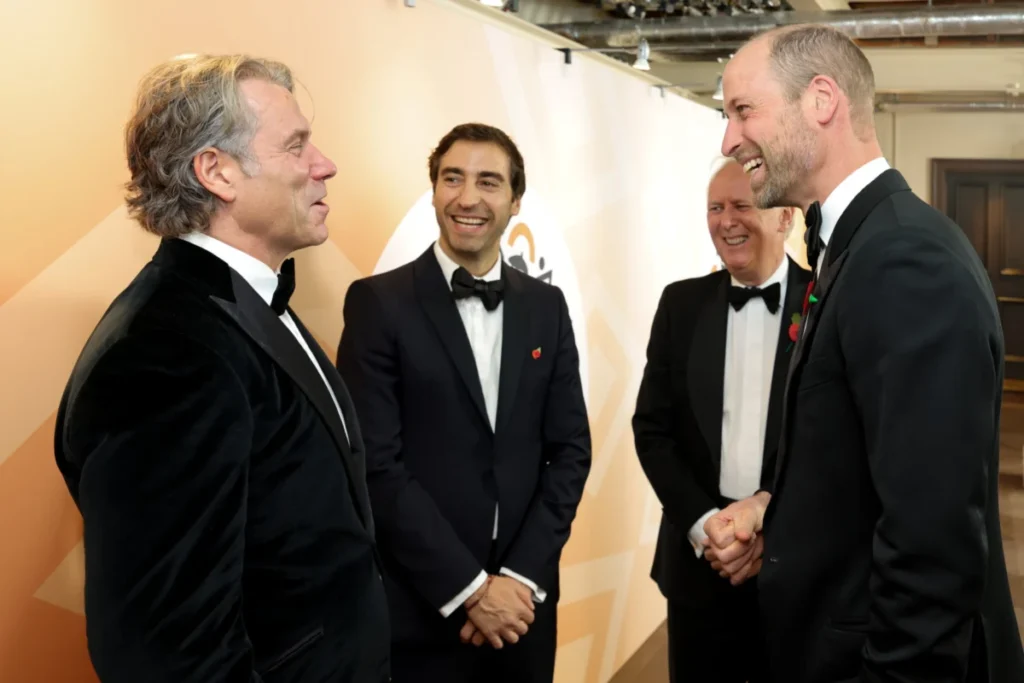
The release of the magazine coincided with the annual Tusk Awards, a glittering black-tie ceremony held in London celebrating conservation heroes across Africa. Prince William, a passionate advocate for environmental preservation through his patronage of Tusk, attended the gala surrounded by family. He was joined at the high-profile London venue by three of his royal cousins: Zara Tindall, alongside Lady Amelia Spencer and Lady Eliza Spencer, lending familial support to his ongoing conservation initiatives.

Background and Evolution of the Record
Harry Kane’s ascent to the pinnacle of English international appearances is the culmination of a meticulously built career that began long before his senior debut. Emerging through the youth ranks at Tottenham Hotspur, Kane endured multiple loan spells before establishing himself as a lethal centre-forward in the Premier League. His senior international debut for England arrived in March 2015 under manager Roy Hodgson, coming off the bench against Lithuania at Wembley to score just 79 seconds after stepping onto the pitch.
Over the subsequent decade, Kane’s role within the national setup evolved from a promising young goalscorer to the undisputed talisman and captain of the side. Under the management of both Gareth Southgate and subsequent tacticians, Kane’s tactical intelligence, passing range, and clinical finishing transformed him into the focal point of England’s tactical identity. Breaking Peter Shilton’s record—which had stood since 1990—represents a paradigm shift in modern football longevity, where demanding club calendars, European competitions, and domestic cups make sustaining a 126-match international career an extraordinary physical and psychological feat.
Data analytics from sports science researchers indicate that modern footballers face significantly higher sprint velocities and match intensities than previous generations. Consequently, maintaining the physical robustness required to play at the elite international level for over ten years speaks volumes regarding Kane’s professionalism, recovery regimens, and durability.
Broader Implications and Cultural Impact
The convergence of royal recognition and athletic milestone celebration at Wembley highlights the unique cultural soft power exercised by both the British Monarchy and elite sports institutions. Association football occupies a central role in contemporary British identity, serving as a unifying cultural touchstone across socio-economic divides. By participating directly in these milestones, senior members of the Royal Family—particularly the Prince of Wales in his capacity as FA President—reinforce institutional ties to national pastimes.
Furthermore, the timing of the event provided a dual-narrative media cycle for Prince William. While his ceremonial duties at Wembley captured the attention of mainstream sports media, his concurrent advocacy in Country Life magazine and his attendance at the Tusk Awards ensured that his charitable patronages and socio-political interests remained at the forefront of public discourse. Observers noted that the Prince’s ability to pivot seamlessly from grassroots mental health advocacy and military support to international football diplomacy illustrates a modernized approach to royal duties.
As Kane looks toward the twilight of his international career, the milestone of 126 caps—and counting—raises the bar for future generations of Three Lions players. With England continuously developing a younger tier of technical talent across the Premier League, the benchmark set by the captain serves as a testament to the dedication required to wear the England shirt. For Prince William and the thousands of supporters packed into Wembley Stadium, the evening was not merely a celebration of a single match, but a collective acknowledgment of a defining era in English football history.