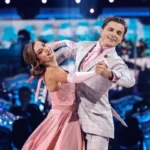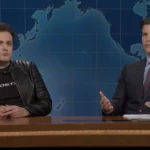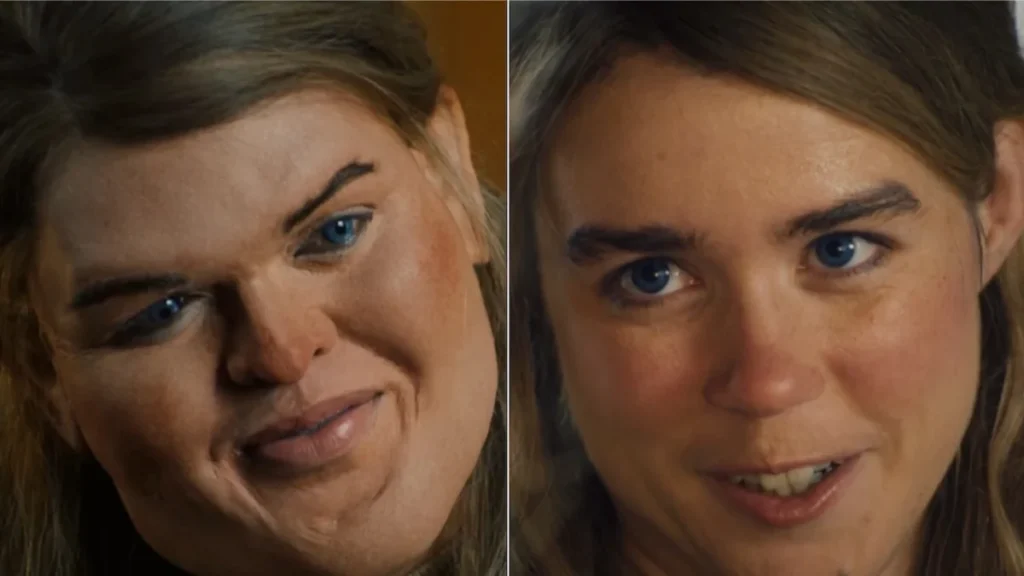

The long-awaited television satire of Nathan Fielder’s documentary You Can See Everything arrived on Saturday Night Live this past weekend, featuring an intersection of Fielder’s signature deadpan documentary style and the high-energy comedic sensibilities of guest host Druski. The sketch, which aired during the November 8, 2026, broadcast, provided a trenchant look at the cultural obsession surrounding the Elizabeth Holmes saga, specifically targeting the cinematic tropes employed in Fielder’s recent blockbuster project. By positioning Druski as the documentarian navigating the surreal complexities of the Holmes trial and her domestic life, the sketch successfully balanced industry critique with mainstream entertainment.
The Anatomy of a Satire
The sketch, titled "Dru Can See Everything," functioned as a meta-commentary on the documentary genre. Jane Wickline’s portrayal of Elizabeth Holmes captured the specific vocal cadence and strained intensity that have become the hallmarks of portrayals of the disgraced Theranos founder. Ben Marshall served as the foil, portraying Holmes’ husband, Billy, with a focus on the awkward domesticity that Fielder’s documentary famously highlighted.
Druski, acting as the surrogate for Fielder, moved through the scenes with a level of detachment that mirrored the original documentary’s voyeuristic lens. The humor derived from the juxtaposition of Druski’s distinct comedic timing—often rooted in social observation and heightened reactions—against the sterile, clinical observation style perfected by Fielder. The result was a synthesis of two disparate comedic worlds, drawing attention to the way documentary filmmakers insert themselves into the narratives they are ostensibly observing.
Background: The Rise of You Can See Everything
To understand the weight of the parody, one must consider the cultural footprint of the source material. Nathan Fielder’s You Can See Everything, released in October 2026, became an immediate point of contention and critical acclaim. Fielder, known for his work on The Rehearsal and Nathan for You, brought his unique brand of social engineering to the Holmes trial.
The documentary did not merely recount the facts of the Theranos fraud; it focused heavily on the peripheral figures, the bizarre lifestyle choices of the accused, and the psychological toll of public scrutiny. Industry analysts noted that the documentary utilized an unprecedented number of reenactments, often featuring Fielder himself in the background of scenes, watching the subjects as they performed their daily routines. This stylistic choice—often referred to by critics as "performative observation"—became the primary target for the SNL writers’ room.
Chronological Development of the Sketch
The development of the sketch followed a standard SNL production timeline for high-profile hosts. By Wednesday, November 4, writers and the host began drafting the premise, specifically focusing on how to translate the documentary’s slow-burn intensity into a five-minute sketch format.
- October 2026: You Can See Everything is released in theaters and streaming platforms, breaking viewership records for documentary features.
- November 5, 2026: Initial rehearsals for the November 8 episode begin, with the "Dru Can See Everything" concept finalized as a centerpiece of the cold open or mid-show block.
- November 7, 2026: Dress rehearsal confirms that the parody of Fielder’s directorial style is landing with the studio audience, leading to minor refinements in the dialogue to better emphasize the "documentary within a documentary" conceit.
- November 8, 2026: The sketch airs live, generating immediate social media traction, with the official clip garnering millions of views within the first twelve hours of publication.
Critical Reception and Audience Engagement
The reaction to the sketch has been largely positive, with media critics noting the show’s ability to remain current with niche pop-culture phenomena. While the average viewer might not have seen every frame of Fielder’s documentary, the visual cues—the lighting, the specific camera angles, and the uncomfortable silences—were recognizable enough to resonate with a broad audience.
From an analytical standpoint, the sketch serves as a barometer for how "prestige" documentaries are consumed in the digital age. By the time a subject is covered by SNL, it has effectively entered the lexicon of mainstream parody. The sketch did not criticize the subject matter of the fraud itself, but rather the industry’s hunger for "trauma-tainment," where the filmmakers become as significant as the crimes they document.
Data and Cultural Impact
Data from media monitoring firms indicates that search interest for You Can See Everything spiked by approximately 45% in the 24 hours following the SNL broadcast. This "SNL effect" is a documented phenomenon where the show acts as a second wave of marketing for cultural products.
Furthermore, the involvement of Druski, a prominent digital content creator and comedian, signifies a shift in SNL’s strategy to integrate internet-native talent into traditional late-night formats. Druski’s performance was praised for its improvisational quality, which contrasted with the scripted nature of the show’s more traditional segments. The sketch effectively utilized his brand of "observational comedy" to highlight the absurdity of Fielder’s documentary techniques, effectively bridging the gap between social media comedy and televised sketch satire.
Implications for the Documentary Genre
The parody raises broader questions about the ethics and aesthetics of modern documentary filmmaking. When a filmmaker is as present as the subjects, the objective truth of the project is often compromised. By spoofing this dynamic, SNL underscored a growing fatigue among audiences regarding "author-centric" documentaries.
Critics have pointed out that Fielder’s work, while technically brilliant, invites the kind of scrutiny that leads to these parodies. The sketch did not just make fun of the subject; it made fun of the lens. If the primary objective of a documentary is to provide clarity, the satire suggests that the modern documentary often provides only confusion and, in turn, parody.
Institutional Responses and Industry Context
Neither Nathan Fielder nor the producers of You Can See Everything have issued formal statements regarding the SNL sketch. However, industry insiders suggest that such parodies are generally viewed as a mark of success. In the competitive landscape of 2026, where streaming platforms are saturated with true-crime content, being parodied by a platform as large as NBC is considered a validation of the documentary’s cultural dominance.
For Saturday Night Live, the success of this sketch reinforces the necessity of staying agile. The show has faced increased pressure to keep pace with the rapid cycles of social media, where trends often rise and fall within days. By focusing on a documentary that had only been in the public consciousness for a few weeks, the production team demonstrated an ability to capitalize on immediate cultural conversations.
Broader Societal Context
The intersection of the Elizabeth Holmes trial, Nathan Fielder’s documentary, and Druski’s sketch represents a unique moment in the evolution of true crime as entertainment. We have moved from reporting on crimes to analyzing the reports of those crimes, and finally to satirizing the analysts.
The phenomenon speaks to the saturation of the true-crime market. As audiences grow more familiar with the tropes of the genre—the somber music, the slow-motion reenactments, the intrusive questioning—they become more adept at identifying the artifice involved. Druski’s sketch was successful because it acknowledged that the audience was already in on the joke.
Conclusion
The "Dru Can See Everything" sketch will likely be remembered as a high point of the 2026 season for its synthesis of internet-era comedy and high-concept television satire. It highlighted the evolving relationship between creators and their subjects, while also proving that the documentary format, despite its claims to seriousness, is as susceptible to parody as any other television genre.
As the industry moves forward, it is expected that the influence of figures like Nathan Fielder will continue to be felt, but so too will the pushback against their stylistic excesses. Whether this marks a turning point in how documentaries are produced or simply a momentary laugh at the expense of an ambitious project, the impact of this SNL sketch on the discourse surrounding non-fiction media remains clear. It was a sharp, well-executed piece of television that managed to be both a tribute to and a dismantling of one of the most discussed media events of the year.