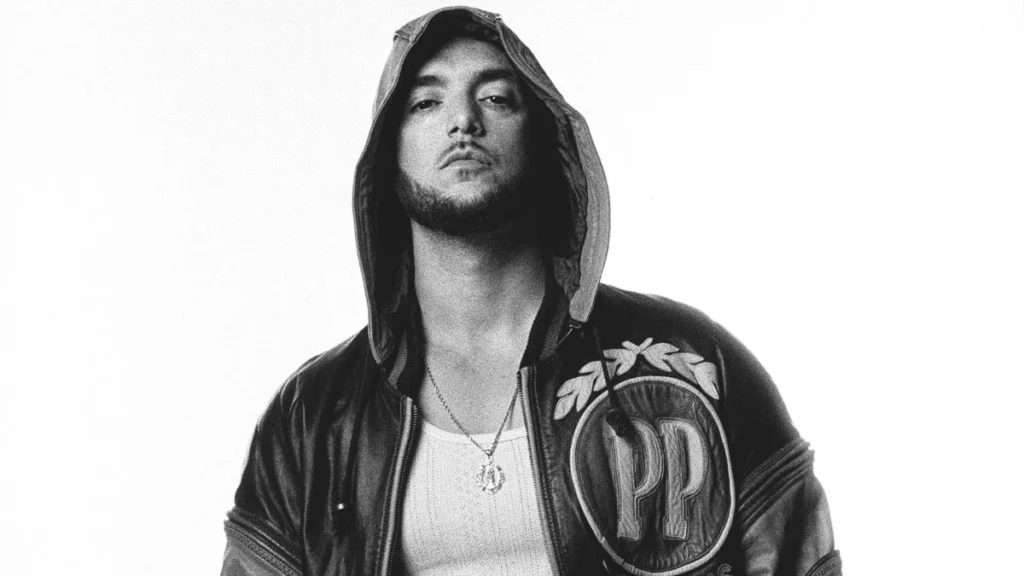

The landscape of contemporary Spanish music has long been defined by the chameleonic evolution of Antón Álvarez Alfaro, known globally as C. Tangana. After years of pivoting toward Latin-infused pop, flamenco-fusion, and avant-garde performance art, the artist has made a decisive return to his foundational roots. The release of his latest single, Milko Freestyle, marks a poignant homecoming to the rap genre that originally propelled him to fame. More than just a musical shift, the track serves as a deeply introspective diary, grappling with the profound intersections of grief, the transition into parenthood, and the heavy toll of industry-wide expectations.
A Return to the Collective Roots
The release of Milko Freestyle is strategically timed to coincide with a landmark event in Spanish underground music culture. C. Tangana is set to reunite with Agorazein, the seminal Madrid-based rap collective that served as the crucible for his early career. Alongside members Sticky M.A., Jerv.AGZ, I-Ace, and Fabianni, Tangana will perform a series of four sold-out concerts at Madrid’s Movistar Arena. These shows, scheduled for November 15th through 18th, commemorate the 10th anniversary of the group’s 2016 studio album, Siempre.
For fans of the collective, this reunion represents a return to the gritty, minimalist, and uncompromising sound that defined the early 2010s in Madrid. While C. Tangana’s trajectory eventually led him to stadium-sized spectacles and global collaborations, the reunion serves as a reminder of the raw, unfiltered hip-hop aesthetic that established the foundation of his career.
Thematic Depth: Navigating Grief and Growth
Produced by the acclaimed hip-hop duo KevD and Jambo, Milko Freestyle eschews the polished, orchestral arrangements of El Madrileño in favor of the rhythmic precision of traditional boom-bap. However, the track’s production is secondary to its lyrical narrative. The song is named in honor of Milkman, a close friend and collaborator of Tangana, whose passing left a significant void in the artist’s life.
In the track, Tangana recounts the harrowing experience of traveling to Mexico to be with Milkman during his final days. This vulnerability marks a departure from the "El Madrileño" persona—a character often defined by bravado, irony, and social commentary. By addressing the death of a peer, Tangana invites the audience into the private sphere of his life, juxtaposing the permanence of loss with the forward momentum of his own existence.
The narrative shifts from the finality of death to the beginning of life, as Tangana reflects on the responsibilities of fatherhood. This dual focus on the legacy of the departed and the future of his son provides a structural tension that defines the track’s emotional resonance. It is a meditation on time, legacy, and the shifting priorities that come with middle age.
The Legacy of El Madrileño: A Strategic Analysis
To understand the significance of Milko Freestyle, one must look at the immense cultural weight of his 2021 album, El Madrileño. The record was a commercial and critical juggernaut, successfully merging the folk traditions of Spain and Latin America with contemporary urban production. It earned widespread praise for its ambition, earning a Latin Grammy and cementing Tangana’s status as a top-tier global artist.
However, the album was not without its detractors. Within the insular community of hardcore rap purists, the move was often characterized as a departure from the culture that birthed him. In Milko Freestyle, Tangana directly addresses this friction. He speaks candidly about the criticism levied against him by peers who felt he had abandoned the hip-hop movement for commercial viability. Furthermore, the track touches upon the financial complexities of his recent career, acknowledging the immense capital required to mount his large-scale, cinematic touring productions.
Industry analysts note that this level of transparency is rare for an artist at Tangana’s level. By admitting to the financial strains and the emotional exhaustion of the El Madrileño era, he is effectively demystifying his own success. The implications of this are twofold: he is distancing himself from the curated, untouchable image of the "pop star" and re-establishing his credibility as an artist who is still subject to the same personal struggles as his audience.
Chronology of an Evolution
The trajectory of C. Tangana’s career can be categorized into three distinct phases, each reflecting the changing dynamics of the Spanish music market:
- The Underground Era (2010–2016): Characterized by his work with Agorazein and the development of a dark, brooding, and minimalist rap aesthetic. This period focused on building a cult following in Madrid’s urban underground.
- The Commercial Expansion (2017–2020): Following his signing with major labels, Tangana began experimenting with reggaeton and Latin trap, achieving massive mainstream success with hits like "Mala Mujer."
- The Experimental Auteur Phase (2021–Present): The release of El Madrileño signaled a move toward "musica de autor," integrating traditional flamenco and folk. Milko Freestyle marks the beginning of a potential fourth phase, where the artist seeks to integrate these disparate styles under a more personal and reflective lens.
Broader Implications for the Genre
The release of this track highlights a growing trend among veteran hip-hop artists: the "return to the basement." As the commercial market for urban music becomes increasingly saturated with algorithmic, trend-chasing content, established artists are finding that their legacy is best served by revisiting the techniques and emotional honesty of their early careers.
The reunion with Agorazein is not merely a nostalgic exercise. It serves to validate the early work of the collective, positioning their 2016 album Siempre as a cornerstone of Spanish contemporary music. By centering his return on this reunion, Tangana is effectively bridging the gap between his past and his present.
Industry experts observe that Tangana’s move may set a precedent for other artists who have transitioned into pop stardom but feel the urge to reclaim their artistic autonomy. By stripping away the bells and whistles of high-budget production, he proves that his value as an artist remains tethered to his lyricism and his ability to communicate complex, lived experiences.
Official Reception and Cultural Impact
While official statements from his collaborators have been minimal, the buzz surrounding the upcoming Movistar Arena shows suggests a massive cultural appetite for this reunion. The tickets, which went on sale following the announcement, saw immediate demand, reflecting the enduring influence of the Agorazein collective on a generation of listeners who grew up in the digital age of Spanish music.
The visual component of Milko Freestyle, directed with the same cinematic eye that characterized his recent work, further reinforces the narrative of the song. By pairing the audio with stripped-back, stark imagery, Tangana reinforces the message that this is an era of reflection rather than pageantry.
As the industry looks toward the November concerts, the conversation surrounding C. Tangana has shifted from his chart performance to his artistic trajectory. Whether this freestyle is a permanent return to rap or a momentary detour in his broader evolution remains to be seen. However, the success of the track suggests that his audience is eager to follow him wherever his introspective journey leads. By addressing his losses, his industry struggles, and his growth as a father, C. Tangana has managed to re-center himself in the cultural zeitgeist, not through the pursuit of trends, but through the courage to look backward.