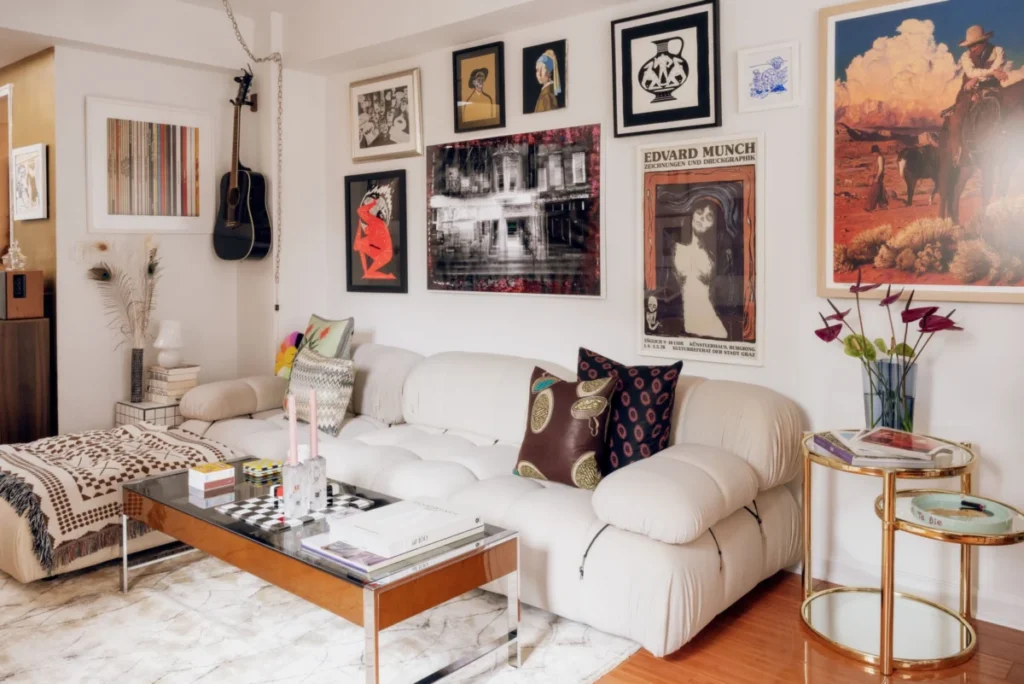

The act of displaying art within a residence serves as a transformative element of interior design, yet the logistics of securing professional-grade framing often present a significant barrier for consumers. While the traditional brick-and-mortar custom framing industry has long provided high-quality archival results, the associated costs—often exceeding the value of the artwork itself—have historically alienated many art enthusiasts. Consequently, a new landscape of digital-first, direct-to-consumer (DTC) framing services has emerged to bridge the gap between expensive bespoke workshops and the aesthetic limitations of mass-market, off-the-shelf solutions.
The Evolution of the Framing Industry
Historically, the framing process was exclusively manual and localized. A customer would take a piece of art to a shop, select from a limited physical sample wall of moldings, and await a turnaround time that could stretch from several weeks to months. The pricing model was notoriously opaque, often determined by the linear inch and the perceived value of the customer, leading to significant market volatility.
The emergence of online framing companies over the last decade has fundamentally disrupted this model. By leveraging centralized production facilities, these firms have optimized material procurement and logistics. Most modern online services now utilize specialized software that allows users to visualize their art in a virtual frame before purchase, significantly reducing the uncertainty previously associated with remote ordering. This shift reflects a broader trend in home goods, where e-commerce platforms have replaced traditional service intermediaries.
Leading Platforms and Their Market Positioning
Framebridge: A Modern Hybrid Model
Framebridge has established itself as a leader in the space by prioritizing a seamless digital experience backed by physical infrastructure. Operating 44 brick-and-mortar locations across the United States, the company serves as a hybrid entity. For the digital consumer, the process is straightforward: users can either mail their physical artwork to the company’s facility or upload digital files for printing. Their offering of stylized, diverse frame profiles—ranging from gilded bamboo to distressed wood—addresses a specific market demand for design-forward aesthetics. Data indicates that the "floating" mount technique, where art is suspended within the frame to reveal its deckled edges, has become a high-demand service, signaling a consumer shift toward more sophisticated, gallery-style display methods.
Michaels Custom Framing: The Legacy Pivot
Michaels, recognized as the largest craft supply retailer in North America, has strategically entered the premium custom framing market through partnerships, such as their recent collaboration with Architectural Digest. By offering an exclusive collection—categorized into themes like "Vintage Luxury" and "Space-Age Modernism"—Michaels is attempting to shed its "big-box" reputation. This represents a significant pivot for the company, as it seeks to capture the mid-to-high-end market segment while leveraging its existing supply chain to offer competitive pricing on acid-free matting and UV-protective acrylic. The implication here is clear: legacy retailers are increasingly aware that they must offer value-added design services to remain relevant against agile, digital-native competitors.
Artifact Uprising: The Digital-to-Physical Bridge
Artifact Uprising distinguishes itself by focusing on the transition from digital files to physical heirlooms. Unlike traditional framers that primarily handle existing physical prints, the brand is designed for the modern user who keeps their photography stored in cloud services. By providing tools for printing and framing in a unified workflow, they cater to a demographic that prioritizes ease of use. Their inclusion of resources, such as gallery wall design guides and free downloadable art, functions as a value-add that simplifies the often-daunting task of curation.
Simply Framed: Streamlining the Professional Experience
Simply Framed operates on a model that emphasizes professional-grade materials and expertise. Their process is tailored to collectors and artists who require specific conservation standards. By asking diagnostic questions about the medium—whether it be a canvas, a textile, or a limited-edition print—the company ensures that the glazing and mounting techniques are appropriate for the long-term preservation of the piece. Their ability to handle large-scale works (up to 40 by 60 inches) makes them a preferred partner for professional interior designers who require reliable, consistent results for residential or commercial installations.
American Frame: Technical Precision
With roots dating back to 1973, American Frame represents the technical end of the spectrum. The company provides over 400 distinct frame profiles and offers a high degree of customization, including complex mounting, retouching, and glazing options. This service appeals to users who have a specific technical requirement, such as the need for museum-grade, non-reflective glass or specialized archival backing. The availability of unassembled frame options for large pieces up to 80 inches suggests a focus on the serious hobbyist and the professional market.
Economic and Practical Implications for Consumers
The rise of these services has brought several tangible benefits to the consumer. First, the standardization of pricing models has introduced transparency. Where traditional shops often utilized "hidden costs" for labor and hardware, online platforms typically offer flat-rate pricing based on the dimensions of the piece, allowing for better budgeting.
Second, the democratization of preservation materials is a notable development. Twenty years ago, access to museum-grade, acid-free matting and UV-filtered acrylic was often restricted to professional galleries. Today, these are standard components for most online framing services, ensuring that even casual personal photos or posters are protected against degradation caused by environmental factors like light and humidity.
However, challenges remain. The primary risk in an online-only model is the logistical aspect of shipping. While companies like Framebridge and Simply Framed provide pre-paid, protective mailing tubes and specialized packaging, the responsibility of ensuring the artwork arrives at the facility undamaged falls on the consumer. For high-value or sentimental items, this remains a significant psychological hurdle that traditional in-person framing still manages to mitigate.
Fact-Based Analysis of the Market Shift
The market for custom framing is currently experiencing a period of consolidation. As consumer expectations for "Instagrammable" home interiors rise, the demand for quality framing has increased in tandem. Analysts suggest that the next phase of this industry will involve greater integration of Augmented Reality (AR) technology, allowing users to view a frame on their wall in real-time with precise measurements.
Furthermore, the environmental impact of these services is under growing scrutiny. As the industry moves toward more sustainable practices—such as the use of reclaimed woods and eco-friendly shellacs—companies that can demonstrate supply-chain transparency will likely gain a competitive advantage. The shift toward sustainable materials, as seen in the offerings from companies like Level Frames, reflects a broader consumer preference for ethically produced home decor.
The Broader Impact on Home Curation
The impact of these services extends beyond the simple act of putting a picture in a frame; it has fundamentally changed how individuals curate their homes. By making professional-grade framing accessible, these companies have encouraged a more personalized approach to interior design. When art is treated with the respect of a proper frame, it is more likely to be displayed, which in turn fosters a stronger connection between the inhabitant and their living space.
In conclusion, while the digital evolution of the framing industry has not entirely replaced the artisanal, local framer, it has provided a robust alternative that meets the needs of a modern, time-constrained consumer. Through technological innovation, improved logistical support, and a commitment to archival quality, these platforms have successfully removed the barriers that once relegated valuable art and memories to the bottom of a closet. Whether one is framing a high-value print or a digital photograph from a smartphone, the current landscape offers a diverse array of options that ensure art is not only preserved but prominently and professionally displayed. The future of the industry will likely be defined by further technological integration and a continued emphasis on sustainable, high-quality production, ensuring that the art of framing remains a vital component of the contemporary home.