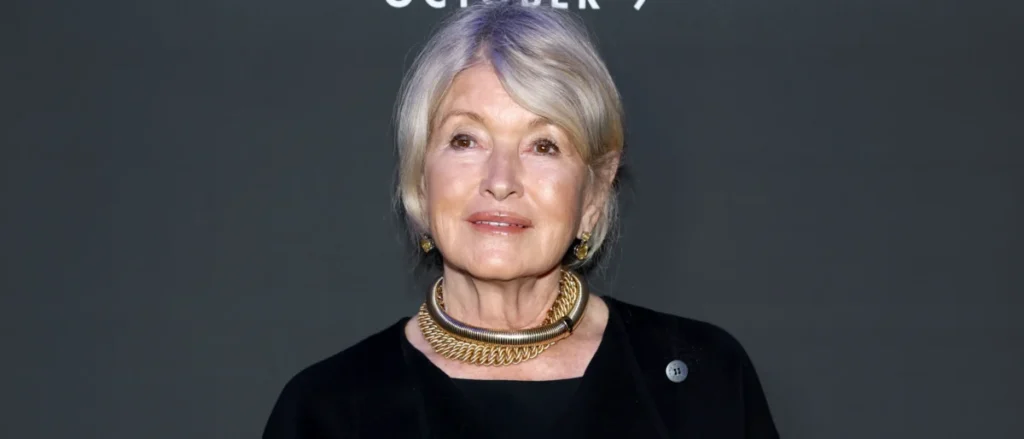

Lifestyle mogul Martha Stewart found herself at the center of a major public relations crisis following her decision to unveil a Halloween costume themed around homelessness. Known worldwide for building a multi-decade empire centered on home economics, culinary arts, high-end entertaining, and luxury living, Stewart faced widespread condemnation across social media platforms for what critics termed a severe lapse in judgment. The controversy not only highlighted the shifting cultural boundaries of holiday celebrations but also ignited a broader conversation regarding wealth, privilege, and the manner in which systemic societal issues are addressed by public figures.
The incident unfolded during the Halloween season when Stewart shared images of her costume online. Rather than opting for traditional holiday attire, the multi-millionaire entrepreneur dressed in weathered, disheveled clothing designed to mimic the appearance of an unhoused individual. To complete the look, she carried a makeshift cardboard clipboard sign bearing the message, “I am hungry. Feed me.” Compounding the public’s negative reaction was the simultaneous inclusion of commercial content within the same post, which actively promoted her signature candle range available through the QVC shopping network. The juxtaposition of a luxury commercial product placement alongside a costume depicting extreme poverty immediately drew sharp criticism from followers and online commentators alike.
As the images circulated widely across digital platforms, the backlash intensified rapidly. Observers pointed out the profound insensitivity of treating a severe socioeconomic crisis as a seasonal novelty or costume party gag. Within hours, the post became a focal point of online debate, drawing fierce condemnation from social media users, public advocates, and fellow celebrities alike.
Chronology of the Controversy and Initial Defenses

The timeline of the public relations misstep began with the initial publication of the costume photographs on Instagram. As critical commentary mounted, the post quickly attracted unfavorable media attention from major entertainment and news outlets. Rather than issuing an immediate retraction or a straightforward apology, Stewart’s initial response came via statements provided to media publications such as Page Six.
In her first public comments addressing the uproar, Stewart stated that she was “distressed” to discover that her costume had left individuals “offended.” She defended her creative choice by explaining that the outfit was intended to draw public attention to homelessness, characterizing it as one of the most significant ongoing crises facing the United States. Furthermore, she noted her historical involvement in charitable endeavors and her personal concern for vulnerable populations.
However, this initial defense failed to quell the controversy. Communications analysts and media critics noted that the statement closely mirrored a non-apology, shifting the focus away from the inherent insensitivity of the costume and toward the public’s negative reaction to it. Observers argued that expressing distress over being misunderstood differed fundamentally from acknowledging the harm caused by the portrayal. Furthermore, the lack of any direct reference to homelessness relief resources within her promotional social media captions continued to draw heavy skepticism regarding the true intent behind the post.
Amid mounting pressure and continued critique from high-profile figures—including actress Indya Moore, who publicly challenged Stewart’s explanation as unbelievable and counterproductive—the lifestyle icon issued a secondary, more direct apology. Taking to social media once again, Stewart acknowledged the shortcomings of her initial response, admitting that it is often difficult to accept when one has made a significant error in judgment. She explicitly conceded that her first statement was inadequate and described the costume itself as “insensitive and not funny,” concluding with a clear and direct apology to the public.
Broader Context and Societal Implications

The backlash against Stewart’s costume reflects a broader cultural shift in how public figures engage with marginalized populations and systemic hardships. In recent years, public scrutiny regarding Halloween costumes has expanded significantly. Cultural critics, sociologists, and advocacy groups have increasingly cautioned against transforming systemic suffering, racial identities, or cultural struggles into festive novelty items.
The timing of the incident further exacerbated public sensitivity. The controversy occurred against the backdrop of sustained economic pressures, wherein housing affordability, food insecurity, and inflation have impacted millions of households. For families facing genuine financial distress and housing instability, the sight of a wealthy celebrity cosplaying as an unhoused person underscored a profound disconnect between the nation’s economic elite and the realities faced by everyday citizens.
Moreover, the incident highlighted the inherent risks associated with corporate and personal social media strategies. In an era where digital engagement requires authenticity and acute cultural awareness, the blending of commercial brand promotion with poverty-themed imagery demonstrated a failure in digital risk assessment. Media relations experts noted that while high-profile personalities frequently attempt to leverage provocative content to capture attention, doing so at the expense of vulnerable populations inevitably risks alienating audiences and damaging long-term brand equity.
Path Forward and Calls for Action
While Stewart’s secondary apology was acknowledged by commentators as a necessary step toward accountability, critics and advocacy organizations emphasized that verbal contrition alone remains insufficient to address the underlying concerns raised by the incident. Public figures with substantial reach and economic resources face increasing demands to translate apologies into tangible, constructive actions.

Throughout the discourse, advocates like Indya Moore emphasized that individuals possessing massive platforms and financial influence have the capacity to effect meaningful change within their communities. Rather than relying on symbolic gestures or dramatic imagery, critics pointed out that sustainable support—such as highlighting established housing initiatives, driving donations to food banks, and partnering with non-profit organizations dedicated to eradicating poverty—represents a more constructive avenue for public engagement.
The controversy surrounding Martha Stewart’s Halloween costume serves as a notable case study in contemporary celebrity crisis management. It underscores the delicate balance between creative expression and social responsibility in the digital age. Whether the lifestyle mogul will utilize her considerable influence to actively support poverty-alleviation initiatives remains to be seen, but the incident has permanently marked a cautionary tale regarding the perils of tone-deaf public displays in an increasingly interconnected and socially conscious society.