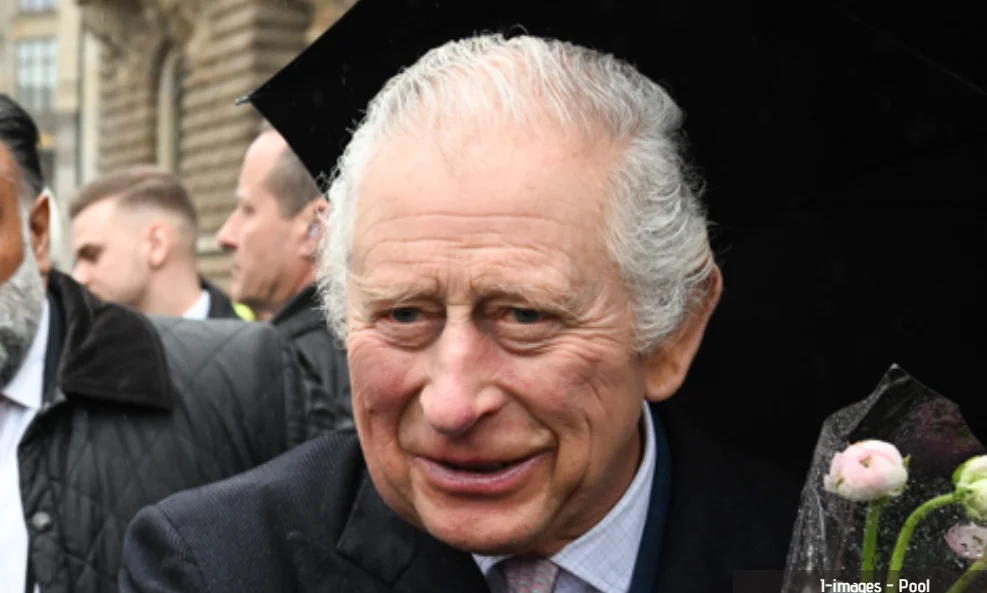

King Charles III has officially arrived in the Bahamas, marking the beginning of a significant nine-day diplomatic and royal tour across the Caribbean. Buckingham Palace commemorated the departure by releasing rare photographs of the monarch on board the government’s Voyager aircraft as it crossed the Atlantic toward Nassau. While the arrival signifies a major diplomatic push for the British Crown, the journey itself has once again highlighted a fascinating constitutional quirk: King Charles boarded the aircraft without a passport, a travel privilege reserved exclusively for the reigning British monarch.
This unique exemption distinguishes the Sovereign from every other member of the royal household, including Queen Camilla and the Prince and Princess of Wales, all of whom are legally required to carry valid passports for international travel. The rationale behind this protocol is rooted in the very nature of the British passport system and the unique constitutional role of the Crown.
The Constitutional Mechanics of Sovereign Travel
To understand why King Charles does not carry a passport, one must look at how British travel documents are issued and authorized. Every British passport features an official inside cover bearing the Royal Arms and a formal request from the Secretary of State, issued on behalf of the reigning monarch. The text explicitly requests foreign authorities to allow the bearer to pass freely without let or hindrance, and to afford them any necessary assistance and protection.
Because all British passports are issued in the name of the King, it is legally and constitutionally redundant for the monarch to hold a document issued by himself to himself. The Sovereign embodies the state authority that grants the travel rights to others, effectively rendering a personal passport unnecessary.
This custom was observed strictly throughout Queen Elizabeth II’s historic 70-year reign. For seven decades, the late monarch traveled the globe to hundreds of countries without ever needing to present a passport at a border control checkpoint. However, prior to ascending to the throne on September 8, 2022, Charles III—then known as the Prince of Wales—was subject to standard international travel regulations. During his mother’s reign, his passports were issued under the authority of Queen Elizabeth II, directing foreign states to provide safe passage to the heir to the throne.
The Rule Applies Solely to the Monarch
While the King enjoys passport-free international mobility, this exemption does not extend to any other member of the Royal Family. Queen Camilla, Prince William, Catherine, Princess of Wales, and other senior royals must carry standard diplomatic or official passports when embarking on foreign engagements.
For instance, when Prince William travels overseas—such as his upcoming anticipated journey to India for the prestigious Earthshot Prize—he must present a valid passport bearing his father’s name and royal seal. Prince William will only acquire the right to travel without a passport upon his own accession to the throne. Even then, the exemption will remain strictly personal to him; as Queen Consort, Catherine will still be required to carry a passport issued in the name of her husband.
Chronology and Itinerary of the Caribbean Tour
The arrival in Nassau marks the commencement of a carefully planned, high-level diplomatic itinerary spanning more than a week. The tour is designed to address complex historical ties, foster contemporary partnerships, and engage directly with leaders across the region.
Upon completing the initial leg of the tour in the Bahamas, King Charles is scheduled to travel onward to Guyana, as well as Antigua and Barbuda. Queen Camilla is slated to join the King during the latter stages of the tour ahead of the upcoming Commonwealth Heads of Government Meeting (CHOGM). This gathering serves as a crucial platform for dialogue among member nations, addressing shared challenges ranging from climate change to economic resilience and democratic governance.
Addressing Historical Legacies and Modern Diplomacy
Beyond the logistical nuances of royal travel, the tour carries substantial political and social weight. King Charles is expected to address sensitive topics during his time in the Caribbean, most notably the historical legacy of the transatlantic slave trade and its contemporary reverberations.
In recent years, several Caribbean nations have expressed a desire to reevaluate their constitutional ties to the British monarchy, with countries like Barbados transitioning to a republic in late 2021. Against this backdrop of evolving geopolitical landscapes, the nine-day visit is viewed by political analysts as an essential effort by Buckingham Palace to maintain constructive, respectful dialogues with Commonwealth realms and republics alike.
By engaging directly with local governments, community leaders, and cultural figures, the royal tour seeks to emphasize mutual respect, partnership, and acknowledgment of past history while looking toward a collaborative future. As the King continues his engagements across the Bahamas, Guyana, and Antigua and Barbuda, the trip will be closely monitored by international observers as a barometer for the modern Commonwealth under the Caroline era.