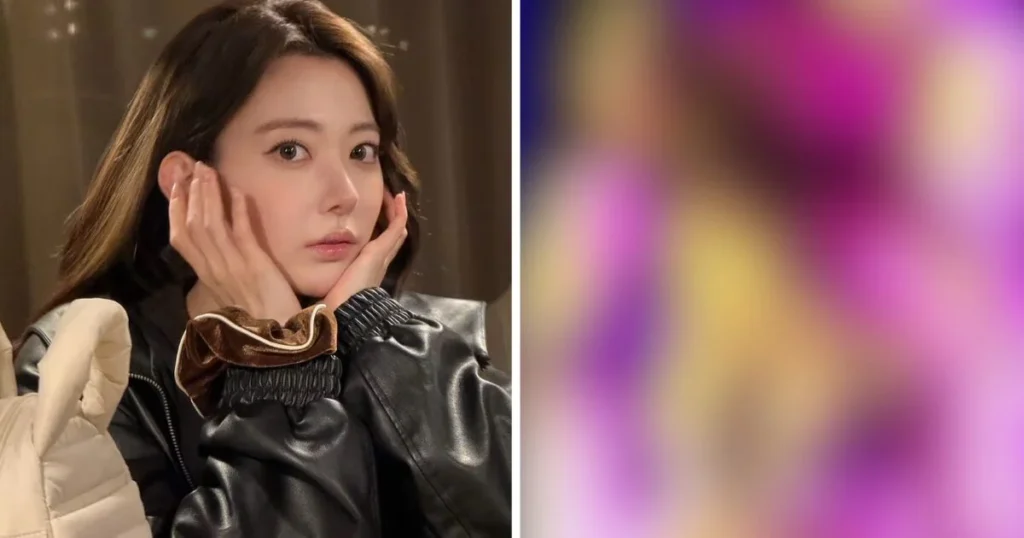

The intersection of K-pop artistry, fashion, and cultural expectations of modesty has once again ignited intense debate across global digital platforms. Miyawaki Sakura, a prominent member of the multinational girl group LE SSERAFIM, has found herself at the center of a widespread online discourse following a series of visually striking concert wardrobe choices during the group’s ongoing tour. What began as a localized critique from a social media user quickly snowballed into a massive international defense campaign, highlighting deep-seated divisions regarding bodily autonomy, the aging of idols in the K-pop industry, and the persistent double standards female performers face on the global stage.
The controversy erupted when a Japanese social media user posted a critical observation alongside images of Sakura in a daring, form-fitting concert ensemble. The post, which questioned the direction of the idol’s personal style and performance attire with the phrase, "What the hell happened to Miyawaki Sakura?", quickly accumulated hundreds of thousands of impressions. The post aimed to draw negative attention to the singer’s sartorial choices, framing the transition toward bolder, more revealing stage costumes as unexpected or inappropriate.
However, the strategy backfired significantly. Rather than generating agreement, the critical post galvanized international fandoms and casual observers alike, who swiftly flooded the replies and quote-tweets to condemn the original poster’s puritanical stance.
Background Context and Evolution of K-Pop Stage Fashion
To understand the weight of the current controversy, industry analysts note that it must be viewed within the broader evolution of K-pop performance fashion. For decades, the industry operated under rigid, highly controlled stylistic guidelines, particularly for female idols who debuted at a young age. Costumes were meticulously curated by management agencies to project specific archetypes—ranging from innocent schoolgirl aesthetics to high-energy, sporty concepts—with strict limitations on skin exposure to appease conservative domestic markets.
In recent years, however, as groups like LE SSERAFIM have expanded their reach into Western markets and targeted a more globally diverse demographic, performance aesthetics have shifted. Modern K-pop styling increasingly incorporates high-fashion elements, Western pop concert tropes, and individualistic expressions of empowerment and maturity. LE SSERAFIM, known for their fierce, independent conceptual identity encapsulated in mottos like "I’m Fearless," frequently utilize bold fashion choices to project strength and autonomy. Sakura, having debuted originally in Japan as a teenager before building a second, highly successful career in the hyper-competitive South Korean pop industry, has spent over a decade in the public eye. Now 28 years old, her transition into more mature concepts aligns naturally with both her chronological age and her status as a seasoned veteran in the entertainment sector.

Timeline of the Viral Discourse
The timeline of the current controversy illustrates the rapid velocity of modern social media ecosystems:
- Concert Performances: LE SSERAFIM executes a series of high-energy live shows featuring dynamic choreography and custom-designed stage costumes tailored for international arena standards.
- Initial Social Media Backlash: A Japanese netizen uploads a critical tweet featuring close-up captures of Sakura’s tour attire, questioning her wardrobe evolution and attempting to spark a localized debate on modesty.
- The Viral Shift: Within 24 hours, international fan accounts, including prominent community figures and translators, amplify the tweet, reframing it as an example of unwarranted policing of women’s bodies.
- Mass Mobilization of Support: Thousands of users push back against the critique, pointing out Sakura’s age, her extensive professional tenure, and the hypocrisy inherent in criticizing an adult woman’s clothing choices. Concurrently, discussions expand to compare current criticisms with the hyper-sexualization minor idols faced in earlier generations of pop music.
Global Fandom Reactions and Feminist Discourse
The overwhelming majority of responses to the viral post centered on the theme of bodily autonomy and age appropriateness. International fans were quick to emphasize that Sakura is a 28-year-old adult fully capable of consenting to her wardrobe and performance concepts.
Prominent digital commentators and fan networks argued that policing a mature woman’s attire under the guise of protecting public decency is a regressive practice. User @saintplush captured a sentiment echoed by thousands, writing, "Getting mad bc a grown woman (28 years old…) is wearing something sexy is wild." Another user, @haniglows, criticized the obsessive nature of the complaints, posting, "Peak loser behavior bc how r u seeing a grown woman with her boobs out and decide to get on the internet to COMPLAIN????"
Beyond simple defenses of personal freedom, the discourse quickly evolved into a broader critique of systemic double standards within the entertainment industry. Several viral responses highlighted the historical hypocrisy of critics who condemn mature consenting adults for choosing to wear revealing clothing, while simultaneously ignoring or actively defending the exploitation of underage idols in past decades. User @plazynoodles pointed out this generational contrast, noting that critics "get more mad about her dressing sexy at age 28 than the time she was a minor and made to sing [controversial material] to a crowd of old men."
Industry Implications and the Changing Face of Idol Identity

The incident sheds light on the ongoing tension between traditional Asian entertainment standards—which often demand pristine, morally conservative public personas from idols—and the progressive, individualistic expectations of Western and global fandoms.
K-pop agencies and idols alike are increasingly forced to navigate this cultural tightrope. While domestic markets in South Korea and Japan can occasionally exhibit sensitivity toward drastic shifts in an idol’s public image, global audiences frequently champion self-expression, artistic freedom, and the dismantling of patriarchal dress codes. Sakura’s situation demonstrates that veteran idols who reclaim their narratives and project overt confidence through fashion will inevitably face friction from conservative factions, but they will also command robust, vocal support from a modern audience that values autonomy.
Broader Impact on LE SSERAFIM’s Brand
Despite the initial attempts to generate a scandal, public relations experts suggest that such controversies ultimately reinforce LE SSERAFIM’s brand identity as bold, unapologetic, and resilient. The group has frequently addressed themes of societal judgment and self-acceptance in their musical releases, making them uniquely positioned to weather superficial criticisms regarding their appearance.
Furthermore, the viral nature of the defense campaign has translated into increased engagement, heightened search metrics, and renewed solidarity within the global fandom. Rather than damaging Sakura’s reputation, the incident has served as a powerful reminder of her enduring popularity and the protective solidarity of her international supporters.
Conclusion
The controversy surrounding LE SSERAFIM Sakura’s tour outfits is emblematic of the wider cultural battles playing out across digital platforms regarding the autonomy of female performers. As K-pop continues its rapid globalization, the friction between traditional expectations of modesty and modern standards of adult self-expression will likely persist. However, the resounding defense mounted by fans worldwide underscores a clear shift in consumer sentiment: adult artists operating within the global spotlight are increasingly expected—and defended—in their right to define their own identities, both on and off the stage.