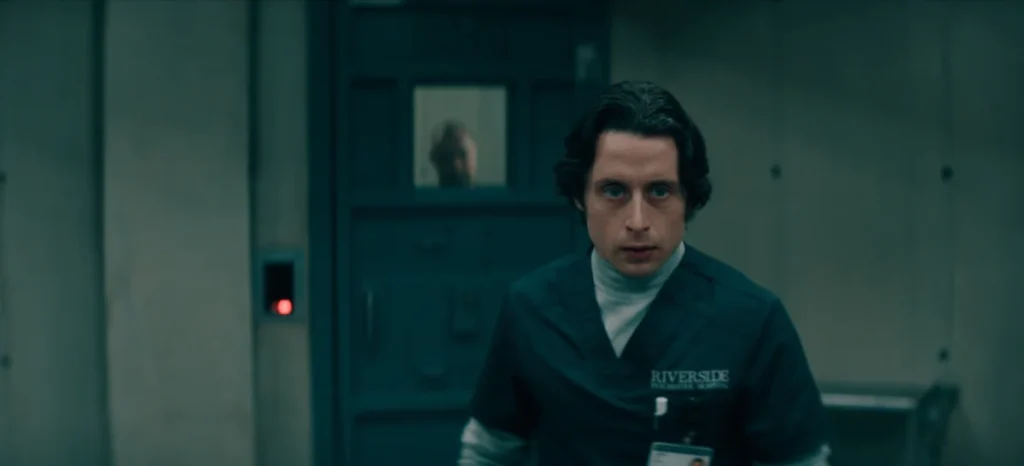

The premiere of the Apple TV psychological thriller Nocturne has introduced a high-stakes narrative centered on the intersection of past trauma and modern investigative desperation. As the series unfolds, it examines the fragile boundary between law enforcement and the criminal minds they seek to contain. The plot centers on Jonah, portrayed by Liev Schreiber, a man haunted by a cold case that cost him his professional partner and personal peace. When a long-missing victim, Michael Frost, reappears three years after his disappearance, it provides the first tangible lead in a case that has long since gone stagnant.
However, the return of one sibling serves as a grim reminder of the one still missing: Felicia. The investigation, which originally led to the incarceration of the notorious serial killer Jurek, played by Stephen Graham, is reopened with a sense of urgency. Jonah’s initial theory—that Jurek operated with an accomplice—is reinvigorated by new testimony, placing the weight of the investigation back on a man who has already been successfully prosecuted but remains a master of psychological manipulation from within a psychiatric facility.
A Chronology of a Cold Case
The narrative of Nocturne operates across a complex timeline that bridges the past and the present. Three years ago, the disappearance of the Frost siblings became a defining moment in Jonah’s career. At that time, Jurek was apprehended, but the lack of a body for Felicia and the existence of an alibi for the primary suspect left the case unresolved. For three years, Jurek has been held in a high-security psychiatric unit, effectively removed from society but far from dormant.
The current timeline begins with the discovery of Michael Frost, which triggers a sequence of events aimed at finally locating his sister. Jonah, working alongside FBI agent Quinn (Poorna Jagannathan), recognizes that the key to Felicia’s location lies with the man who took her. Simultaneously, the series chronicles the arrival of Karl (Rory Culkin) to the restricted housing unit. This development serves as a critical turning point: Jurek, having been isolated in his cell, identifies Karl as a target for psychological exploitation. Within months of his arrival, Karl begins to deviate from protocol, ignoring security warnings and becoming entangled in Jurek’s calculated requests, a progression that highlights the predatory patience of a man who views his captors as mere pawns.
The Dynamics of Undercover Operations
In a move that heightens the stakes for all involved, Jonah’s goddaughter, Saga (Zazie Beetz), orchestrates an undercover infiltration of the psychiatric facility. Her decision to enter the unit under the guise of an ordinary staff member is executed without explicit permission from her mentor, Jonah. This choice reflects a central theme of the series: the conflict between professional caution and the impulsive need to secure justice.
Saga’s infiltration is equipped with a high-tech, low-profile surveillance method—a micro-transmitter concealed within a cross necklace. The logistical challenges of this operation are significant; only a select few, including Quinn and Detective Nathan (Gary Carr), are privy to the mission. This secrecy creates an environment of intense pressure, where one error could lead to the exposure of an undercover operative in the presence of a proven violent offender.
Character Motivations and Performance Dynamics
The success of the series’ central conflict relies heavily on the performances of the leads. Liev Schreiber’s portrayal of Jonah is grounded in the weariness of a man who has lost too much to the shadows of his own career. His reluctance to let Saga proceed is not merely a matter of protective instinct but a manifestation of his past failures. Having already lost a partner to the machinations of a criminal mind, Jonah carries a profound fear of history repeating itself.
Conversely, Zazie Beetz’s interpretation of Saga emphasizes a character who is profoundly closed off, finding her primary sense of purpose in the dangers of her work. For Saga, the professional realm is an escape from the complexities of her emotional life and personal trauma. Her relationship with Jonah is the only point of vulnerability in her existence, yet even that bond is strained by the mounting pressures of the current case.
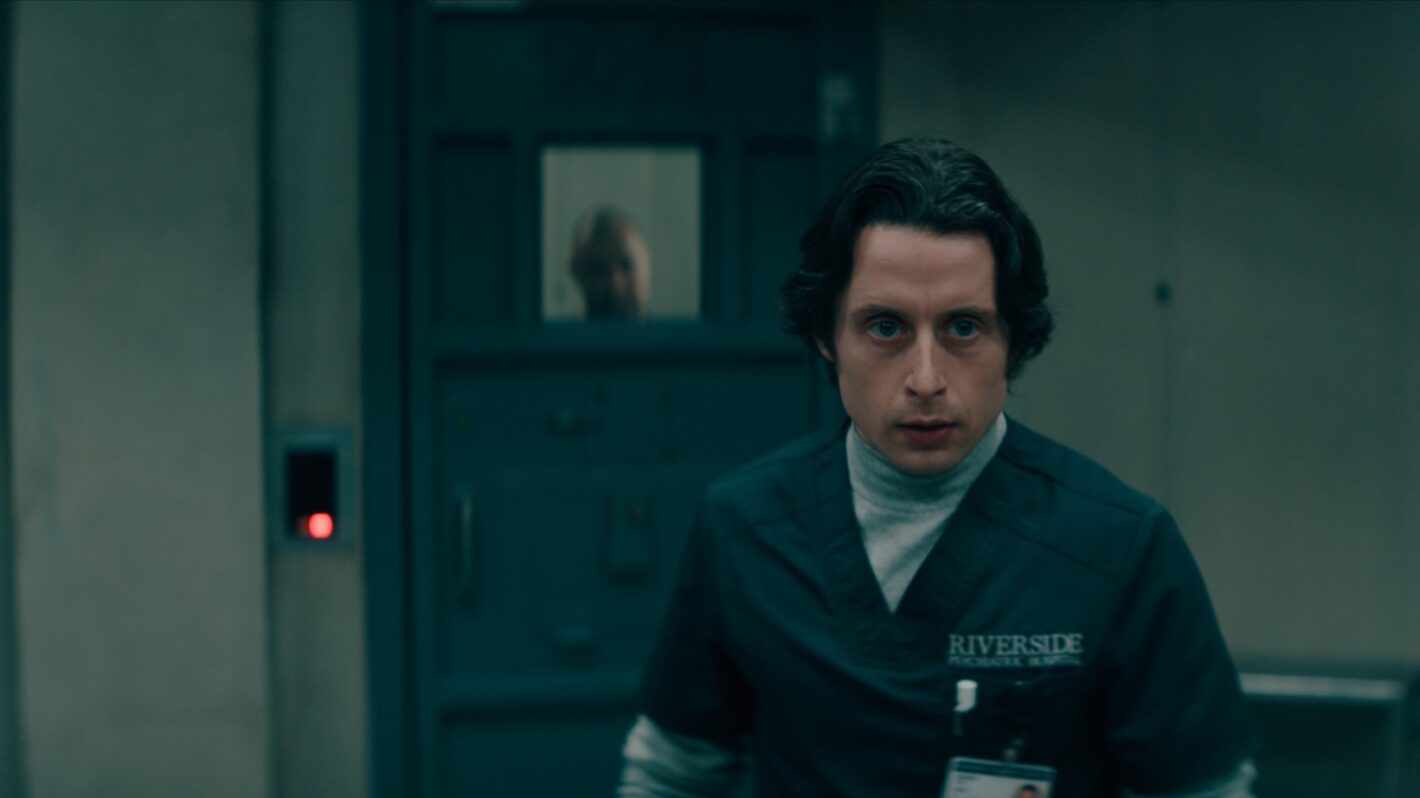
The relationship between Jurek and Karl represents a distinct shift in the show’s tone. Stephen Graham and Rory Culkin, through extensive rehearsal, developed a rapport that transcends the typical guard-inmate dynamic. Co-showrunner John Hlavin noted that the "wolf and prey" ideology that emerged from their rehearsals was pivotal in transforming a potentially procedural element into a profound psychological study. Karl’s naivety, interpreted by Jurek as a vulnerability to be manipulated, provides the show with its most chilling moments. Culkin describes this as a "fascinating" obsession, where his character feels compelled to assist a man he knows to be dangerous, highlighting the seductive power of the perpetrator.
Professional Implications and Narrative Trajectory
The implications of the case extend beyond the immediate search for Felicia. The series explores the concept of "truth for a truth," a bargaining chip used by Jurek to force Jonah back into the arena of his past failures. By demanding a psychological exchange, Jurek effectively forces his investigators to confront their own histories.
From a structural standpoint, the show utilizes the confined setting of the psychiatric hospital to create a claustrophobic atmosphere. This setting serves as a pressure cooker, where the characters’ pasts are constantly colliding with the present. The use of restricted housing units (RHU) as a backdrop provides a stark contrast to the outside world, reinforcing the idea that for Jurek, the physical walls are irrelevant to his ability to influence those around him.
The decision to limit the circle of trust regarding Saga’s mission is a strategic plot point that increases the risk of betrayal. In a high-stakes environment where information is currency, the limited knowledge of the operation suggests that any leak could come from within the very team tasked with solving the case. This creates an atmosphere of paranoia that permeates the early episodes, challenging the audience to determine who is truly in control of the situation.
Critical Reception and Broader Context
While the show is in its nascent stages, the critical reception of the first two episodes highlights the strength of the ensemble cast. The series has been lauded for moving beyond standard investigative tropes, opting instead to focus on the long-term psychological fallout of violent crime. The interplay between the investigative team and the incarcerated perpetrator suggests a season-long arc that will likely delve into the origins of the original case, potentially revealing deeper systemic failures.
The series is also notable for its depiction of the "truth-seeking" process as a moral hazard. Jonah’s willingness to engage with Jurek—a man who has already caused irreparable harm—raises questions about the ethics of law enforcement when the pursuit of a missing victim requires direct collaboration with the perpetrator. The show does not shy away from the ambiguity of these choices, presenting them as the necessary, albeit dangerous, costs of finding the truth.
As the series progresses, the primary narrative tension will likely remain centered on the "truth for a truth" pact. If Jonah is to find Felicia, he must be willing to provide Jurek with the information he desires, effectively becoming an active participant in the killer’s game. This trade-off represents the core tragedy of the show: that in order to save the lost, the savior must potentially sacrifice their integrity or their safety.
Ultimately, Nocturne succeeds as a character-driven thriller because it acknowledges that the most dangerous weapon in a criminal’s arsenal is often not physical, but intellectual. By focusing on the manipulative capacity of Jurek and the emotional vulnerabilities of Jonah and Saga, the series establishes a compelling foundation for a narrative that is as much about the endurance of the human spirit as it is about the resolution of a cold case. The coming episodes are expected to deepen these character studies, moving toward a resolution that promises to be as morally complex as the characters themselves.