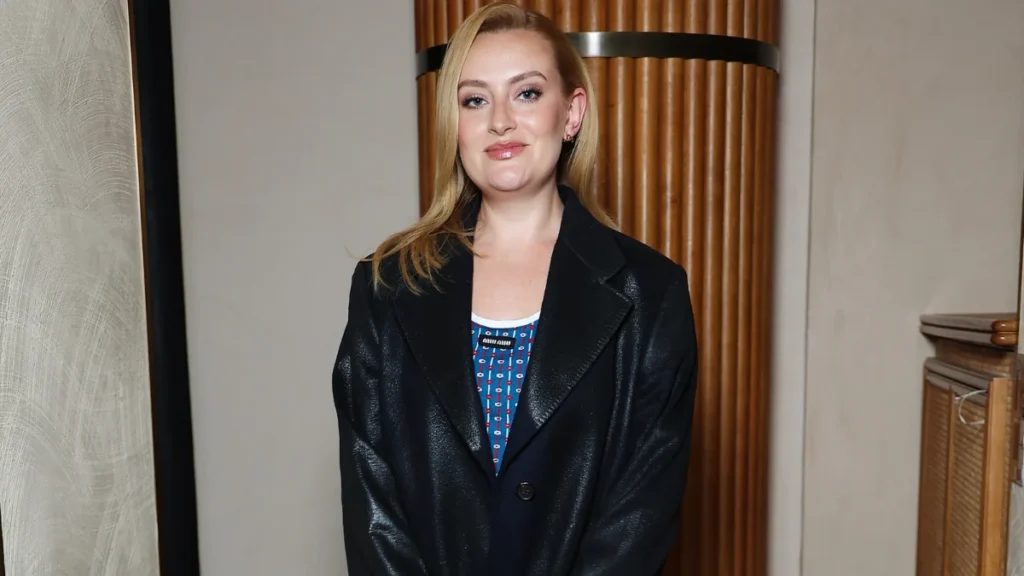

After twelve years of redefining digital journalism through deadpan humor, unconventional interview settings, and excruciatingly delightful social awkwardness, Amelia Dimoldenberg is preparing to close the chapter on her defining creation. Chicken Shop Date, the YouTube phenomenon that transformed modest British fried chicken restaurants into the ultimate A-list promotional stop, is coming to an end. However, rather than quietly uploading the final installment to the internet, Dimoldenberg is orchestrating a theatrical send-off that bridges the gap between digital content and traditional cinema.
On November 24, 2026, fans across the United Kingdom, Ireland, and France will have the opportunity to experience the culmination of a digital media empire on the big screen. In partnership with YouTube’s Cine Club, Dimoldenberg will release Chicken Shop Date: The Final Series in select movie theaters for a special one-night-only theatrical event. This unique cinematic presentation will combine all six episodes of the final season into a cohesive feature-length film, complete with exclusive, never-before-seen behind-the-scenes material. Crucially, the screening will conclude with an early premiere of the ultimate series finale, giving a live theatrical audience the privilege of witnessing the conclusion three days before it becomes publicly available on YouTube on November 27.
The decision to transition a digital-first property into brick-and-mortar cinema houses underscores the extraordinary cultural footprint Dimoldenberg has carved out since launching the project in 2014. What began as a quirky, low-budget DIY journalism project for a print magazine has evolved into a global powerhouse, attracting some of the biggest names in Hollywood, the music industry, and pop culture. As audiences prepare to say goodbye to the greasy napkins, checkered tablecloths, and signature silent pauses, the theatrical release serves as both a victory lap for Dimoldenberg and a community-driven farewell for a devoted global fanbase.
The Evolution of a Digital Masterpiece: A Chronological Retrospective
To understand the magnitude of the upcoming cinematic release, one must examine the improbable trajectory of Chicken Shop Date. The concept was initially conceived in 2014 as a satirical column for the youth magazine The Cut, published by London College of Communication. Dimoldenberg, who was studying journalism at the time, decided to interview British grime artists in local fast-food chicken shops. The premise was delightfully simple: place prominent musicians in unglamorous, fluorescent-lit environments and ask them questions with a completely straight, unblinking face.
The format quickly transitioned from print to video, finding its natural home on YouTube. In the early years, the guest list was dominated by the UK underground music scene, particularly figures from the British rap, grime, and indie spheres. Dimoldenberg’s persona—unimpressed, unfailingly polite, and entirely immune to celebrity charm—set her apart from traditional interviewers who often fawned over their subjects.
As the years progressed, the production values subtly improved, but the core formula remained fiercely intact. The turning point from a cult British internet curiosity to a global mainstream phenomenon occurred in the late 2010s and early 2020s. Hollywood A-listers began requesting appearances on the show as part of their major international press tours. Suddenly, actors like Andrew Garfield were exchanging flirtatious banter with Dimoldenberg across a basket of chips, and global pop icons like Billie Eilish, Cher, and Paul Mescal were submitting to her unyielding deadpan interrogation.
By the time Dimoldenberg announced her intention to conclude the series in September 2026, Chicken Shop Date had amassed millions of subscribers, billions of views, and numerous industry accolades. The final series, which features prominent cultural figures such as Oasis musician Noel Gallagher, singer Jorja Smith, and musician Role Model, represents the pinnacle of the format. Bringing this final chapter to cinemas is a fittingly ambitious climax for a creator who continually subverted expectations regarding where and how digital media can be consumed.
The Theatrical Release: Locations, Partnerships, and Premiere Logistics
The logistics of bringing a YouTube series to the big screen require meticulous planning and strategic partnerships. The collaboration with YouTube’s Cine Club highlights the tech giant’s growing interest in blending online video culture with traditional theatrical distribution models. By leveraging the Cine Club initiative, Dimoldenberg and her production team have secured screenings across major cinema chains in the UK, Ireland, and France.
Fans in the United Kingdom and Ireland can purchase tickets for screenings at select locations operated by Vue, Picturehouse, and Curzon. Major metropolitan hubs are well-represented, with screenings scheduled in cultural centers including London, Brighton, Manchester, Edinburgh, and Dublin. International audiences are also included in the rollout, with a marquee screening booked at the prestigious mk2 Bibliothèque in Paris, reflecting Dimoldenberg’s growing pan-European appeal.
In addition to public screenings, organizers have planned high-profile, invite-only red-carpet premieres in major global capitals, specifically targeting London and New York. These premiere events will feature live question-and-answer sessions with Dimoldenberg herself, offering film critics, industry insiders, and superfans a deeper dive into the creative process behind the show.
Beyond simply stitching the final six episodes together, the theatrical cut features distinct structural elements designed specifically for a cinematic audience. The film will incorporate narrative framing devices that explore Dimoldenberg’s complex, decade-long relationship with her on-screen persona. Through newly filmed material, the project will reflect on why the creator ultimately decided to pull the plug on a format that remained commercially and critically viable, providing closure not just for the viewers, but for the host herself.
Behind the Scenes: Guests, Production, and Creative Closure
The announcement of the final series lineup has generated immense anticipation among music and film enthusiasts alike. The inclusion of Noel Gallagher—a musician notoriously critical of modern interview formats—stands out as a masterclass in comedic tension. Gallagher’s trademark cynicism meets its match in Dimoldenberg’s unwavering apathy, creating the kind of combustible, highly quotable dynamic that made the show famous. Similarly, interactions with Jorja Smith and Role Model showcase Dimoldenberg’s ability to extract surprising vulnerability from artists who are media-trained to remain guarded.
However, the most compelling aspect of the final season, as highlighted in promotional materials for the cinema release, is the internal narrative regarding the show’s termination. In September 2026, Dimoldenberg formally announced that she was ready to move on from the project, stating that she wanted to leave the series while it was still at its creative peak rather than allowing the format to stagnate.
Industry analysts have praised this proactive approach to content creation. In an era where successful digital formats are often milked indefinitely until audience fatigue sets in, Dimoldenberg’s choice to orchestrate a definitive, curated ending is a rare display of artistic discipline. By packaging the conclusion into a cinema event, she is actively discouraging the fragmented, algorithm-driven consumption of media. Instead of fans discovering the show’s final moments individually through TikTok clips or YouTube recommendations, the theatrical release forces a collective viewing experience, transforming a digital media send-off into a communal cultural moment.
Broader Implications for Digital Creators and the Entertainment Industry
The migration of Chicken Shop Date from YouTube to movie theaters carries significant implications for the broader entertainment landscape. It signals a continuing erosion of the traditional barriers that once cleanly separated digital creators from traditional Hollywood gatekeepers.
For years, internet personalities fought for mainstream validation, often by attempting to transition into television or traditional film. In contrast, Dimoldenberg has maintained her absolute autonomy as a digital-first creator while successfully coopting traditional distribution infrastructure. By partnering with cinema chains like Curzon and Picturehouse, YouTube’s Cine Club is proving that high-performing digital content possesses genuine box-office viability.
Furthermore, this event highlights the shifting monetization and engagement strategies available to top-tier digital creators. As ad-revenue models on video-sharing platforms fluctuate, creators with deeply dedicated global fanbases are increasingly looking toward experiential events, live touring, and theatrical windowing to monetize their intellectual property. A one-night-only international cinema event creates artificial scarcity and high urgency, driving ticket sales and merchandise revenue in a manner that standard ad-supported streaming cannot replicate.
Cultural Impact and the Legacy of Deadpan Journalism
As the final curtain falls on Chicken Shop Date, media critics are already assessing the profound influence Dimoldenberg has had on modern celebrity interviews. In an era dominated by hyper-polished, public-relations-managed promotional tours, Dimoldenberg revived a lineage of deadpan, subversive journalism reminiscent of comedians like Ali G or Zach Galifianakis, but updated for the digital age and filtered through a uniquely feminine lens.
Her interviews worked because they subverted the power dynamic between interviewer and celebrity. Instead of the journalist acting as a subservient vessel for the celebrity’s promotional machine, Dimoldenberg maintained an air of complete indifference toward their fame. This forced guests to drop their guard, lean into the absurdity of the situation, and occasionally reveal genuine personality traits that standard press junkets routinely sanitize.
The legacy of the show extends beyond its comedic value. It demonstrated that low-budget, highly localized concepts could achieve universal resonance in an increasingly globalized digital marketplace. A British fast-food shop became a universal stage precisely because the emotional beats—awkwardness, flirtation, social anxiety, and dry humor—transcended cultural and linguistic boundaries.
Looking Ahead: What’s Next for Amelia Dimoldenberg?
While the conclusion of Chicken Shop Date marks the end of an era, it is evidently not the end of Amelia Dimoldenberg’s career in entertainment. Throughout her time hosting the show, she has successfully expanded her portfolio, serving as a red-carpet correspondent for major international awards ceremonies, including the Academy Awards and the Golden Globes, where her signature interviewing style consistently went viral.
Industry insiders anticipate that Dimoldenberg will leverage her massive global following and production acumen to launch new television and digital formats. Whether she steps behind the camera as a producer, develops scripted comedy, or explores new unscripted television ventures, her ability to dictate cultural conversations remains undisputed.
For now, however, the focus remains firmly on November 24, 2026. As movie theater lights dim across London, Paris, Dublin, and beyond, fans will gather for one final basket of chips, one final awkward silence, and one final definitive goodbye to a series that permanently changed the face of modern celebrity culture.