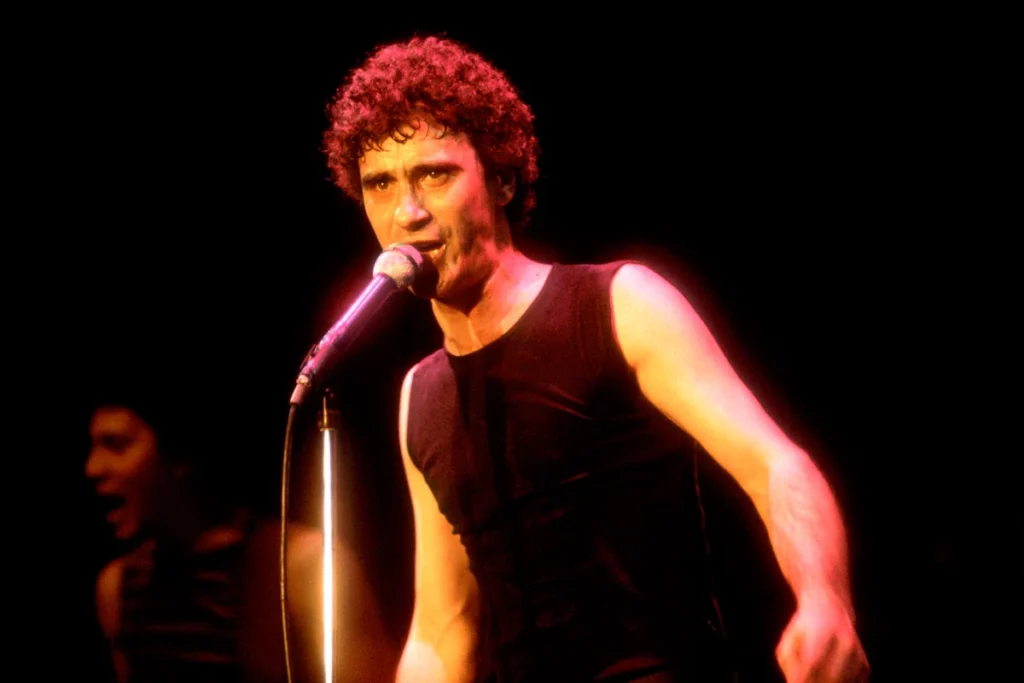

Donnie Iris, the iconic singer-songwriter affectionately heralded as Pittsburgh’s "King Cool," has passed away at the age of 83. Celebrated for his distinct fusion of power-pop punch and new wave synthesizers, Iris leaves behind a rich musical legacy defined by enduring radio staples such as his 1981 Billboard Hot 100 hit “Ah! Leah!” and his chart-topping 1970s success with The Jaggerz, “The Rapper.”
The passing of the legendary musician was confirmed publicly by Joe Vitale Jr., the drummer for Donnie Iris and the Cruisers. In a heartfelt statement shared on social media, Vitale reflected on his mentor’s vibrant spirit and profound impact on those around him, noting his infectious energy, kindness, and inimitable stage presence. While a definitive cause of death has not been officially released by his family or representatives, Iris had been navigating significant health challenges in recent years following a cancer diagnosis. His death marks the conclusion of a remarkable career spanning more than six decades in the American rock and roll landscape.
The Formative Years and the Rise of "The Rapper"
Born Dominic Ierace on February 28, 1943, in New Castle, Pennsylvania, Iris displayed an early affinity for vocal performance. Growing up in Elwood City, he began singing during grade school at local weddings and regional talent competitions. As he transitioned into his teenage years, his passion for harmony-driven music led him to join early doo-wop and rhythm-and-blues outfits, including The Fabutons, the Tri-Vels, and Donnie and the Donnells while attending Slippery Rock State College.
Ultimately choosing to abandon his formal education to pursue music full-time, Iris achieved his first major breakthrough with The Jaggerz. As a member of the Pittsburgh-based group, he contributed to the swinging, smooth-talking track “The Rapper.” Released on Gamble Records—the label founded by pioneering Philly soul producers Kenny Gamble and Leon Huff—the song propelled the band onto the national stage. Featured on their 1970 sophomore album, We Went to Different Schools Together, “The Rapper” climbed all the way to No. 2 on the Billboard Hot 100, establishing Iris as a formidable voice in contemporary popular music.
Transitioning to Wild Cherry and the Birth of the Cruisers
Following the eventual disbandment of The Jaggerz in the mid-1970s, Iris continued to hone his craft within the regional music circuit. In 1978, he joined Wild Cherry, the funk-rock outfit famous for their massive international crossover smash “Play That Funky Music.” Iris contributed both in the recording studio and as a live touring guitarist, featuring prominently on their 1979 studio album Only the Wild Survive.
However, his most enduring creative partnership emerged when he joined forces with keyboardist Mark Avsec. Together, they formed Donnie Iris and the Cruisers, a powerhouse lineup that also included guitarist Marty Lee Hoenes, drummer Kevin Valentine, and bassist Albritton McClain. The newly minted band signed with Midwest Records and immediately struck commercial gold with their 1980 debut album, Back on the Streets.
The album introduced listeners to “Ah! Leah!,” a high-energy track driven by romantic obsession and operatic vocal deliveries that peaked at No. 29 on the Billboard Hot 100. The record also featured “My Girl,” a melodic, doo-wop-infused single that reached No. 25, securing the band’s status as Midwest favorites with a rapidly expanding national footprint.
The King Cool Era and Commercial Success
Capitalizing on their newfound momentum, Donnie Iris and the Cruisers released their sophomore effort, King Cool, in 1981. The album not only solidified their signature sound—a seamless bridge between melodic power pop and emerging new wave instrumentation—but also cemented Iris’s enduring moniker, "King Cool." Peaking at No. 84 on the Billboard 200, King Cool represented the high-water mark of the band’s commercial album charting era, though subsequent releases continued to find dedicated audiences.
Throughout the early 1980s, the band maintained a rigorous release schedule, putting out The High and Mighty in 1982, Fortune 410 in 1983, and No Muss… No Fuss in 1985. Despite being dropped by major label MCA in 1984, the group persevered, releasing independent material and adapting to changing music industry paradigms. Personnel shifts—such as the departure of Valentine and McClain prior to the release of No Muss—led to a revolving cast of backing musicians, but Iris and Avsec remained the foundational core of the project.
The band achieved a final significant chart placement in November 1985 with “Injured in the Game of Love,” which secured a spot on the Billboard Hot 100 and climbed to No. 28 on the Mainstream Rock Airplay chart.
Health Battles and Final Curtain Call
Despite advancing age, Iris remained a tireless live performer, regularly headlining concerts and festivals across the Greater Pittsburgh area and throughout the Midwest. His connection to his fan base remained exceptionally strong, characterized by annual birthday celebratory concerts that routinely sold out major regional venues.
In 2023, shortly after celebrating his milestone 80th birthday on stage, Iris was diagnosed with bladder cancer. The diagnosis necessitated the cancellation of several scheduled concert appearances as he underwent medical treatment. Demonstrating remarkable resilience, Iris returned to the stage intermittently over the following months, maintaining his performance schedule until the physical demands of touring became unsustainable.
In early October 2024, Iris issued an official statement announcing his retirement from live performance, bringing a definitive close to a touring career that had spanned decades. His final concert appearance took place on September 28 at Citizens Live at The Wylie in Pittsburgh. In his retirement announcement, Iris expressed profound gratitude to his supporters, writing that music had given him far more than words could capture and thanking his fans for decades of unwavering joy and inspiration.
Broader Impact and Cultural Legacy
The passing of Donnie Iris represents a significant loss for the American rock community, and particularly for the cultural fabric of Western Pennsylvania. While he achieved national chart success during the peak eras of both soulful pop-rock and early 1980s new wave, Iris’s legacy extends far beyond statistical chart peaks. He represented the archetype of the quintessential blue-collar rock-and-roller—authentic, deeply committed to his craft, and fiercely loyal to his regional roots.
Music historians and industry peers frequently point to Iris as an influential bridge between classic 1960s vocal harmony groups and the synthesizer-heavy radio rock of the MTV generation. His ability to craft soaring, infectious melodies while maintaining a grounded, approachable persona earned him the enduring affection of fans and fellow artists alike. As tributes continue to pour in from across the music world, Donnie Iris will be remembered not only for the timeless choruses of “Ah! Leah!” and “The Rapper,” but for the genuine warmth, energy, and unyielding passion he brought to every stage he graced.