
The glamour often associated with the South Korean entertainment industry frequently overshadows the rigorous and physically demanding labor required behind the scenes. While fans often envision a lifestyle of proximity to stardom, the day-to-day reality for talent managers and administrative staff involves immense pressure, erratic hours, and profound personal sacrifice. Recent revelations shared on public broadcast media have once again brought these arduous conditions into sharp focus, shedding light on what it truly takes to support a rising star through the turbulent early stages of a mainstream career.
A Candid Radio Revelation
During a recent broadcast of SBS Power FM’s popular program Cultwo Show, the hidden struggles of the entertainment support ecosystem became a prominent topic of discussion. Comedians Nam Ho Yeon and Kim Seung Jin appeared on the show as special guests, steering the conversation toward the mechanics of street-casting and talent management.
Amid the broadcast, an anonymous listener dialed into the program to share firsthand testimony regarding his tenure within the South Korean entertainment sector. The caller revealed that he spent four to five years working in the industry, initially scouting talent on the street before transitioning into a full-time road manager and administrative handler for rising actors. The climax of his career as a manager culminated with managing actress Han So Hee during a critical period of her professional ascent.
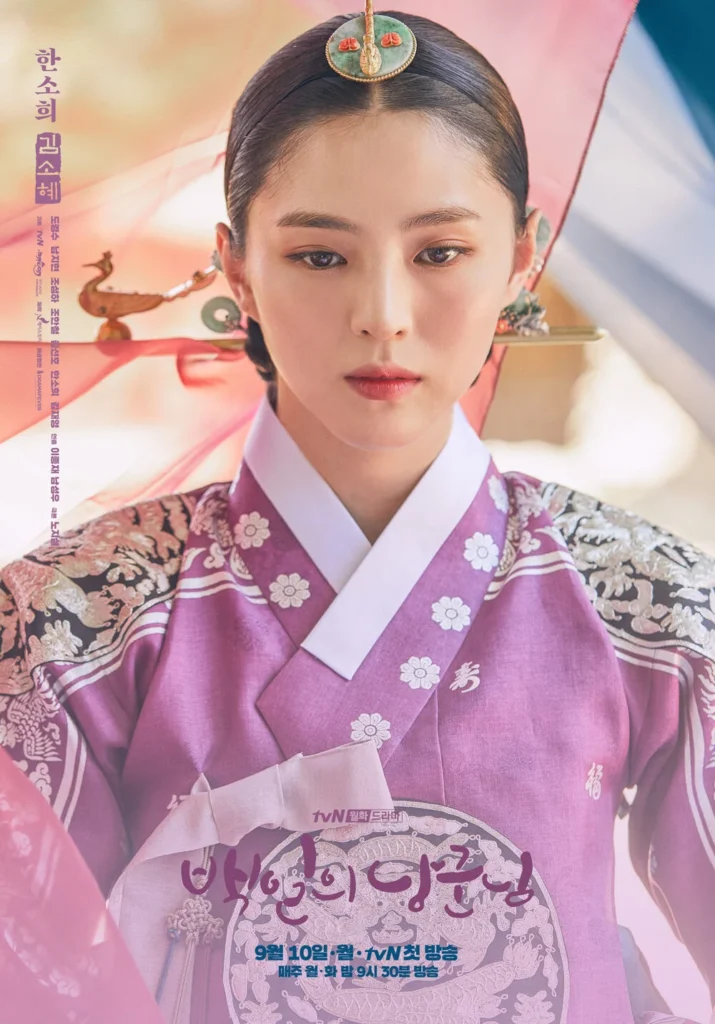
According to the caller, he was directly responsible for logistics, transportation, and daily coordination for Han So Hee during the production of her breakout historical drama, 100 Days My Prince. The revelation provided listeners with a rare window into the early professional environment surrounding one of South Korea’s most sought-after contemporary actresses.

Unprecedented Demands and Sleep Deprivation
The physical toll of talent management is notoriously high, but the caller’s description of his daily routine went far beyond standard occupational fatigue. When discussing the working hours, he highlighted a staggering lack of rest that ultimately forced him to reconsider his career path.
"If I could sleep seven hours a week, that would feel like a lot," the former manager stated during the broadcast, emphasizing the extreme nature of his schedule. He detailed how his responsibilities extended far beyond driving actors to set. Managers are frequently required to remain on standby for the entirety of multi-hour shoots, capture supplementary promotional media, record behind-the-scenes video footage, and manage unpredictable schedule shifts at a moment’s notice.
The relentless pacing of South Korean television and film production environments—frequently referred to as "live-shoot" systems or high-pressure streaming schedules—trickles down directly to the support staff. While actors face intense physical demands under the camera’s gaze, their managers operate on even less sleep, acting as the logistical buffer between the talent and the production crew.
The Chronology of Han So Hee’s Rise
To understand the context of the manager’s tenure, it is necessary to examine the timeline of Han So Hee’s career trajectory. Before becoming a household name and a global luxury brand ambassador, Han navigated the fiercely competitive landscape of modeling and minor television roles.
Her major breakthrough occurred in 2017 when she secured a supporting role in SBS’s fantasy romance series Reunited Worlds. However, her national recognition surged significantly the following year when she was cast in the tvN historical drama 100 Days My Prince (2018), playing the role of Kim So-hye. It was precisely during this demanding production cycle that the anonymous caller served as her manager.

Following 100 Days My Prince, Han’s career accelerated exponentially. She starred in the critically acclaimed and record-breaking JTBC drama The World of the Married (2020), which cemented her status as a leading actress. Subsequent high-profile projects, including Nevertheless (2021) and the Netflix action-thriller My Name (2021), propelled her onto the international stage, culminating in major global luxury endorsements and high-end fashion campaign roles.
Industry-Wide Implications and Working Conditions
The testimony provided on Cultwo Show is not an isolated incident; rather, it reflects long-standing systemic issues within the South Korean entertainment and broadcast industries. Over the past decade, increasing public and regulatory scrutiny has been directed at labor conditions across the K-pop and K-drama sectors.
While legislative amendments have been introduced to curb excessive working hours for production crews—particularly following historic labor reforms limiting the 52-hour workweek—independent talent agencies and road managers often fall through the regulatory cracks. Because managers are typically employed directly by boutique talent agencies rather than major broadcasting networks, their contracts are frequently structured around the unpredictable needs of individual celebrities rather than standardized labor laws.
Burnout rates among entry-level managers remain remarkably high. The former manager confirmed that the punishing work patterns ultimately drove him to resign from his position, noting that many of his peers shared similar sentiments and actively sought employment outside the entertainment sector. The romanticized perception of working closely with celebrities quickly dissipates when confronted with the reality of chronic sleep deprivation and physical exhaustion.
Broader Perspectives on Celebrity Support Staff
The relationship between actors and their managers is symbiotic, built on high levels of trust, discretion, and mutual reliance. A competent manager functions as a driver, security guard, stylist assistant, scheduler, and emotional anchor during high-stress production periods.

Despite the critical nature of these responsibilities, compensation for entry-level road managers in South Korea has historically lagged behind the soaring revenues of the Hallyu wave. While top-tier agencies have begun modernizing their human resource practices to retain qualified talent, smaller and mid-sized agencies continue to struggle with staffing shortages and high turnover rates.
The public reaction to the radio broadcast has been largely sympathetic toward the former manager, with many netizens expressing shock over the seven-hours-a-week sleep metric. Commentators have pointed out that while fans often critique celebrities for appearing fatigued or out of focus, the underlying support systems are frequently pushed past human endurance limits.
Conclusion
The disclosure by Han So Hee’s former manager serves as a stark reminder of the hidden human cost behind South Korea’s cultural exports. As the global appetite for K-content continues to expand exponentially, the pressure on both on-screen talent and off-screen production personnel intensifies. While Han So Hee’s meteoric rise to stardom is a testament to her dedication and talent, the retrospective account from her early management team highlights an urgent need for sustainable labor practices across the entire entertainment ecosystem. Until systemic reforms are universally adopted to protect support staff, the grueling reality behind the glamour will remain an unfortunate hallmark of the industry’s relentless drive for perfection.