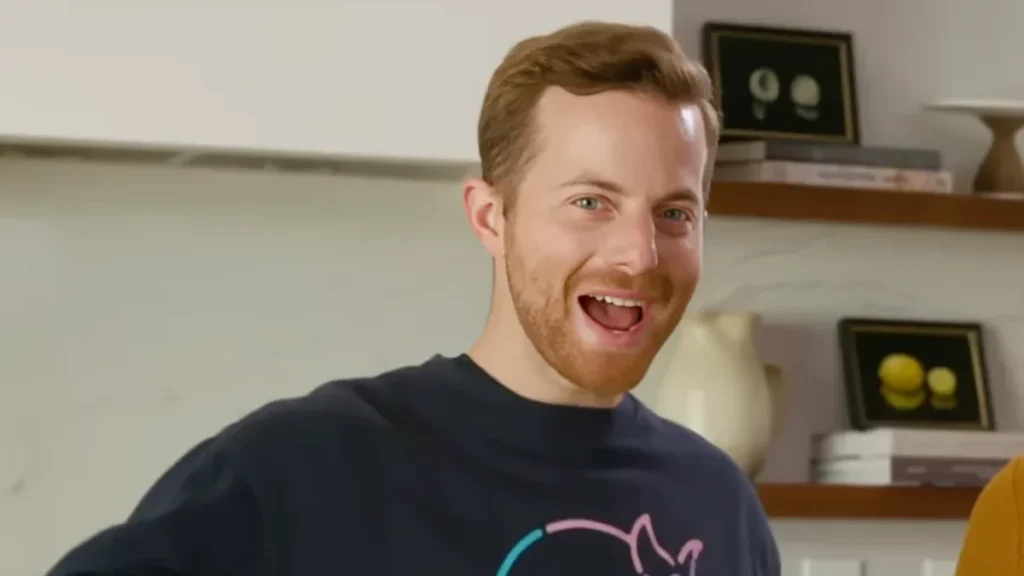

The digital media landscape has been rocked by another high-profile marital scandal as former Try Guys star Ned Fulmer publicly criticized H3 Podcast host Ethan Klein. The friction between the two prominent content creators unfolded on social media following stunning revelations made by Ethan’s wife, Hila Klein, who publicly accused her husband of maintaining a prolonged extramarital affair. The public exchange has immediately drawn parallels to Fulmer’s own career-altering scandal from 2022, reigniting conversations regarding accountability, parasocial relationships, and the vulnerability of internet personalities whose personal lives intersect with their public brands.
The unfolding controversy has not only impacted the Klein family directly but has also sent shockwaves through the production infrastructure of the H3 Podcast. Colleagues, former collaborators, and internet commentators have rapidly weighed in on the allegations, transforming what began as a private marital breakdown into an industry-wide discussion about ethics, public hypocrisy, and the rapid dismantling of digital media empires built on transparency.
Main Facts of the Allegations and Public Fallout
The controversy came to a head when Hila Klein utilized her platform to disclose that Ethan Klein had been unfaithful to her for a period exceeding six months. According to Hila’s public statements, she spent months seeking transparency from her husband, only to be repeatedly misled before the truth ultimately surfaced. She characterized the deception as a profound betrayal that has permanently fractured their domestic partnership. Beyond the emotional toll, Hila noted that she is now forced to navigate the complex reality of managing the dissolution of her marriage while simultaneously establishing co-parenting frameworks for their three children.
The repercussions quickly bled into Ethan’s professional ecosystem. The dedicated crew members of the H3 Podcast took the unprecedented step of addressing the allegations directly, announcing collectively that they would no longer continue their professional association with Ethan or derive financial profit from their ongoing involvement with his media network. Furthermore, the production team explicitly voiced their solidarity with Hila Klein, praising her resilience and condemning Ethan’s actions.
Amid the mounting condemnation, Ned Fulmer seized the opportunity to publicly rebuke Ethan Klein via the social media platform X, formerly known as Twitter. On October 25, Fulmer published two pointed messages directed squarely at the embattled podcaster. His initial post stated flatly, "ethan klein can fuck all the way off," while a subsequent post invoked poetic justice with the phrase, "karma’s a bitch, huh?"
Chronology of Events and Parallels to Past Scandals
The public exchange between Fulmer and Klein cannot be viewed in isolation; it represents a collision of two separate digital downfalls separated by a span of four years. To understand the gravity of Fulmer’s interjection, it is necessary to examine the historical timeline of both creators.
In September 2022, Ned Fulmer found himself at the center of an international media firestorm when photographic and video evidence emerged detailing an extramarital affair between Fulmer and a subordinate employee, Alexandria Herring, who served as a producer for The Try Guys. At the time, Fulmer was a foundational member of the comedy troupe, which had accumulated millions of subscribers during their tenure at BuzzFeed before successfully transitioning into an independent production company, 2nd Try LLC.
The 2022 scandal triggered swift corporate action. Within days of the public confirmation, Fulmer’s business partners—Keith Habersberger, Zach Kornfeld, and Eugene Lee Yang—announced Fulmer’s immediate departure from the company. The group initiated a comprehensive legal and professional separation, editing Fulmer out of pre-recorded content and restructuring their business model to distance the brand from his actions. Throughout the 2022 fallout, Ethan Klein frequently discussed and critiqued Fulmer’s behavior on the H3 Podcast, framing Fulmer’s actions as an egregious abuse of professional power and a betrayal of his marital vows to his then-wife, Ariel Fulmer.
Consequently, Fulmer’s recent decision to mock Ethan Klein was widely interpreted as poetic retribution. Having spent years enduring public ridicule, professional isolation, and the dismantling of his own media career following similar infidelity revelations, Fulmer utilized the new controversy to publicly settle old scores.
Adding to the chorus of condemnation, Hasan Piker, a prominent political commentator and Ethan’s former co-host on the political discussion show Leftovers, also entered the digital fray. Piker posted cryptic yet targeted messages on X shortly after the allegations against Ethan surfaced, signaling a definitive severance of ties between the former colleagues and adding further weight to the growing wall of ostracization facing the H3 host.
Supporting Data and Industry Impact
The intersection of digital content creation and personal accountability has become increasingly volatile. Data compiled across major streaming and podcasting networks indicates that audience retention drops precipitously when foundational creators face moral or ethical scandals involving domestic betrayal. In the case of the H3 Podcast, which relies heavily on a subscription-based and ad-supported model, the immediate distancing of the production crew poses an existential threat to the continuity of the broadcast.
Historically, podcasts and channels built around the personal lives, opinions, and daily vlogs of their hosts are uniquely vulnerable to revelations of hypocrisy. When a host builds a brand identity partially predicated on moral critique of others—as Ethan Klein frequently did during segments discussing public figures, internet personalities, and corporate figures caught in scandals—any subsequent moral failure by the host is magnified exponentially by the audience and industry peers alike.
Official Responses and Stakeholder Positions
As of the latest updates, official statements from the primary parties remain limited to initial public disclosures.
Hila Klein’s camp has focused primarily on privacy, the protection of her children, and stabilizing her immediate environment following the revelation of the six-month affair. Her candor regarding the deceit she experienced set a tone of firm resolution, garnering widespread support from female creators, podcasting colleagues, and digital communities who commended her willingness to speak out despite the immense public scrutiny.
The H3 Podcast production crew released a unified statement clarifying their stance on the matter. Recognizing the collaborative nature of modern digital media, the staff emphasized that working environments must maintain standards of mutual respect and integrity. By refusing to continue profiting from Ethan’s brand, the crew established a critical precedent within the creator economy, demonstrating that production teams are increasingly unwilling to absorb the reputational damage associated with individual hosts.
Ethan Klein has faced a near-total blackout from his regular broadcasting schedule as he contends with the compounding pressures of domestic dissolution, professional boycotts, and public condemnation from former allies such as Hasan Piker and vocal antagonists like Ned Fulmer.
Broader Implications for the Creator Economy
The public unraveling of Ethan Klein’s marriage and professional standing serves as a watershed moment for the digital entertainment industry. It highlights several critical trends and structural vulnerabilities inherent in the modern creator economy:
-
The Fragility of Personal Brands: When media empires are anchored to a singular personality, personal misconduct inevitably translates into systemic corporate failure. Unlike traditional media conglomerates, which can replace executives or on-air talent with minimal disruption, creator-led enterprises often lack the institutional resilience to survive a foundational scandal.
-
The Weaponization of Past Mistakes: Ned Fulmer’s public gloating demonstrates how internet culture frequently recycles past transgressions as currency for current schadenfreude. Fulmer’s ability to re-enter the discourse—not as a redemption story, but as a critic of another fallen creator—underscores the cyclical nature of digital cancellation and online retribution.
-
The Power of Production Crews: The swift and decisive action taken by the H3 Podcast staff marks a continuing evolution in creator-employee dynamics. Historically, behind-the-scenes staff members had little leverage during high-profile controversies involving lead hosts. The modern landscape, however, sees production teams actively protecting their own professional reputations by severing ties with toxic leadership.
-
Parasocial Accountability: Audiences and peers alike are demonstrating a diminishing tolerance for perceived hypocrisy. Creators who build platforms on critiquing the moral failings of others face heightened scrutiny and harsher penalties when they themselves transgress those same ethical boundaries.
As this evolving story continues to develop, the long-term viability of the H3 Podcast remains uncertain, and the broader digital community is left to reflect on the persistent friction between public persona and private reality. The convergence of Hila Klein’s revelations, the crew’s walkout, and the public taunts from figures like Ned Fulmer and Hasan Piker encapsulate the unforgiving nature of modern digital celebrity, where a single breach of trust can dismantle years of brand building in a matter of days.