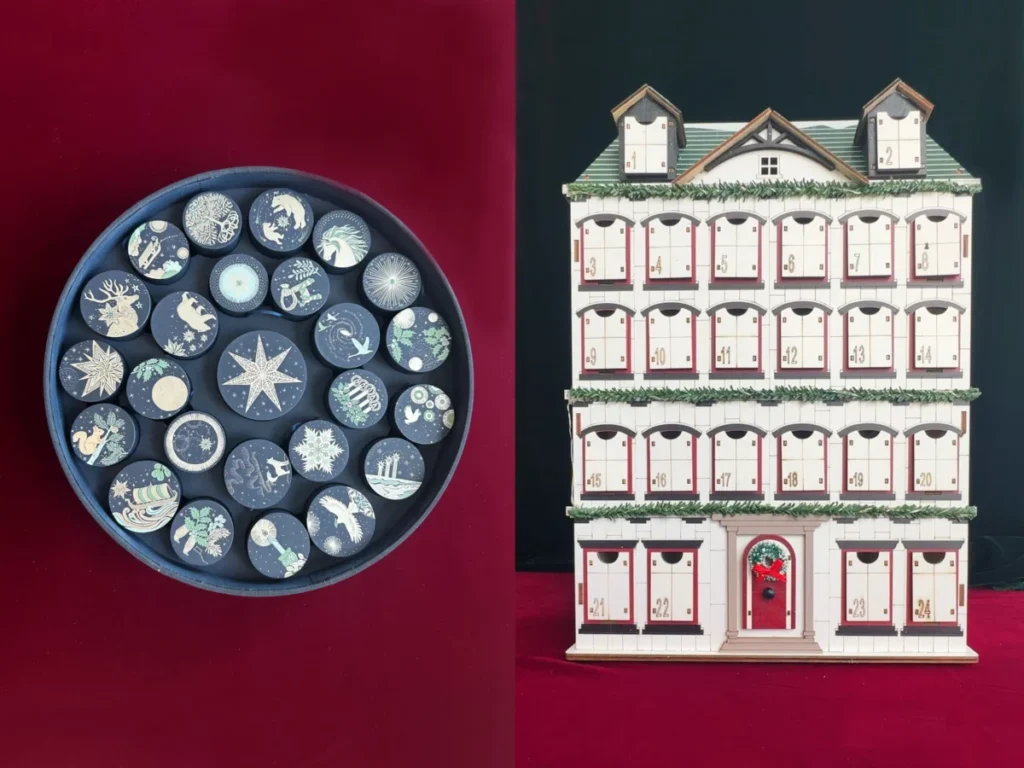

The modern holiday season is frequently defined by a high-pressure push toward social obligations, elaborate meal preparation, and the logistical challenges of hosting guests. Amidst this annual period of intensified activity, the tradition of the advent calendar has evolved from a simple religious or childhood marker of time into a sophisticated element of seasonal home decor and personal indulgence. As consumers seek meaningful ways to anchor the chaotic month of December, the market for high-end, curated advent calendars has seen a significant surge, moving far beyond the traditional cardboard-and-chocolate iterations that dominated the mid-20th century.

Data from the retail sector indicates that the demand for "experience-based" advent calendars—those offering beauty products, gourmet food, fine fragrances, and artisanal stationery—has grown steadily over the past five years. Analysts suggest this shift reflects a broader consumer preference for "micro-luxuries," where individuals prioritize small, daily rituals that provide a sense of stability and reward during the high-stress holiday window. With the holiday shopping season effectively beginning before the end of November, these products have become essential inventory for luxury retailers looking to capture early spending habits.
The Evolution of the Seasonal Countdown
The origins of the advent calendar date back to the early 19th century in Germany, where families would mark the days of December leading up to Christmas with chalk lines or by lighting candles. It was not until the early 1900s that the first printed calendars appeared, eventually evolving into the iconic paper windows concealing chocolate that became a staple of the post-war era.

Today, the industry has transitioned into a multibillion-dollar segment of the gifting market. Major brands, particularly in the fragrance and beauty sectors, have utilized these calendars to introduce customers to a wider range of products. By offering a curated selection of miniatures, companies are not only providing a seasonal service but are also executing a sophisticated customer acquisition strategy. Market research confirms that consumers are more likely to purchase a full-sized product after sampling it through a discovery-based advent calendar, making these items a crucial bridge between seasonal novelty and long-term brand loyalty.
Curated Selections: Fragrance and Beauty
Fragrance houses have become the most prominent players in this space. For instance, the Jo Malone London Fragrance Advent Calendar has become a benchmark for luxury gifting. Encased in a three-tiered, tartan-wrapped box, the collection includes a variety of colognes, hand creams, and soaps. This level of packaging serves a dual purpose: it functions as a temporary storage vessel for the daily treats and as an aesthetic addition to the home, effectively blending holiday utility with interior design.

Similarly, the Diptyque Scented Treasures Advent Calendar is a testament to the brand’s dominance in the luxury home fragrance market. By including signature scents such as Do Son and Feu de Bois alongside exclusive holiday editions, the company leverages its heritage to appeal to a sophisticated demographic. Retail analysts point out that the price point of these items—often exceeding $400—indicates a significant shift in how holiday gifting is perceived. These products are no longer viewed as simple countdown tools but as comprehensive gift sets that provide value well beyond the 25-day duration of the calendar.
Culinary and Artisanal Experiences
While luxury fragrance leads the market, the culinary sector has seen a parallel evolution. The Bonne Maman Mini Jam Advent Calendar has garnered a cult following for its focus on artisanal, consumable goods. By offering flavors such as strawberry guava and chestnut orange, the brand taps into the "cozy" aesthetic currently dominating social media trends. This, in turn, influences consumer behavior, as these items are frequently documented and shared online, creating a viral marketing loop that sustains demand throughout the month of December.

The Dandelion Chocolate Advent Calendar represents another segment of the market: the artisanal, small-batch collaboration. By sourcing contributions from 24 award-winning chocolatiers across North America and Japan, the brand elevates the chocolate countdown to an educational experience. The inclusion of an illustrated book on Nordic myths further suggests a move toward "slow living," where the calendar serves as an invitation to pause and engage with literature and craft, rather than simply consuming a treat.
The Rise of DIY and Sustainable Decor
A growing segment of the market focuses on reusable or DIY advent calendars. These items address the sustainability concerns associated with single-use, disposable cardboard packaging. Products like the Crate & Barrel Hotel Holiday Advent Calendar or the Anthropologie Christmas Tree Advent Calendar appeal to consumers who wish to establish a long-term holiday tradition.

These items are often designed to be kept as heirloom decor. The shift toward wooden structures, such as the Maren Baxter Light-Up Wooden Advent Calendar or the Etsy-sourced village sets, suggests that many shoppers are looking for ways to reduce their environmental impact while maintaining the excitement of the season. By allowing the owner to fill the slots with their own selections, these calendars also offer a higher degree of personalization, making them ideal gifts for families or partners who prefer bespoke experiences over pre-packaged corporate offerings.
Strategic Implications for Retailers
For retailers, the advent calendar is a critical component of Q4 revenue planning. The "early-bird" nature of these products—with many retailers recommending purchase by December 1—allows companies to secure revenue before the final, often frantic, rush of Christmas Eve. Furthermore, the limited-edition nature of these items creates a sense of scarcity, which has been proven to drive faster decision-making among consumers.

However, the proliferation of these items also presents challenges. Retailers must manage inventory carefully, as the high price points and specific seasonal timing mean that unsold stock is difficult to move in January. Consequently, the trend has been toward "pre-order" models, as seen with several high-end calendars that sell out months before the holiday season begins.
Socio-Cultural Impact: The Ritual of the Countdown
The enduring popularity of the advent calendar lies in its ability to impose order on a chaotic period. Psychologists have noted that the ritual of opening a door or drawer each day provides a small, predictable "dopamine hit" that helps manage the stress associated with end-of-year deadlines. In a world where digital notifications and constant connectivity create a sense of perpetual urgency, the physical, tactile nature of an advent calendar offers a grounding, analog experience.

Moreover, the shift in content—from cheap chocolate to high-end beauty, stationary, and gourmet food—mirrors the broader trend of "self-care." Consumers are increasingly using the holiday season not only to give to others but to reward themselves. By investing in a high-quality advent calendar, an individual is essentially purchasing a month of self-care, a concept that aligns perfectly with modern lifestyle marketing.
Looking Toward the Future
As we look toward the future of the holiday market, it is likely that the advent calendar will continue to move toward greater customization and integration with smart-home technology. We may see calendars that integrate digital content—perhaps a daily app-based story, an exclusive piece of music, or a digital recipe—alongside the physical items.

Additionally, the emphasis on materials will remain a critical point of competition. As consumers become more environmentally conscious, brands that fail to address the recyclability of their packaging or the ethical sourcing of their components may find themselves losing market share to competitors who prioritize transparency and sustainability.
Ultimately, the best advent calendars of the current era are those that successfully balance tradition with innovation. Whether it is a luxury fragrance collection or a hand-carved wooden village, the objective remains the same: to create a daily moment of reflection and joy that helps navigate the complexities of the modern holiday season. For the retailer, it is a masterclass in seasonal branding; for the consumer, it is a simple, daily reminder to slow down and savor the transition into the new year. As the calendar turns toward December 1, the competition for the mantle of the "best" advent calendar will continue to drive creativity and luxury in the retail space, ensuring that this century-old tradition remains as relevant and vibrant as ever.