
The Architectural Fabric of Edinburgh Tourism
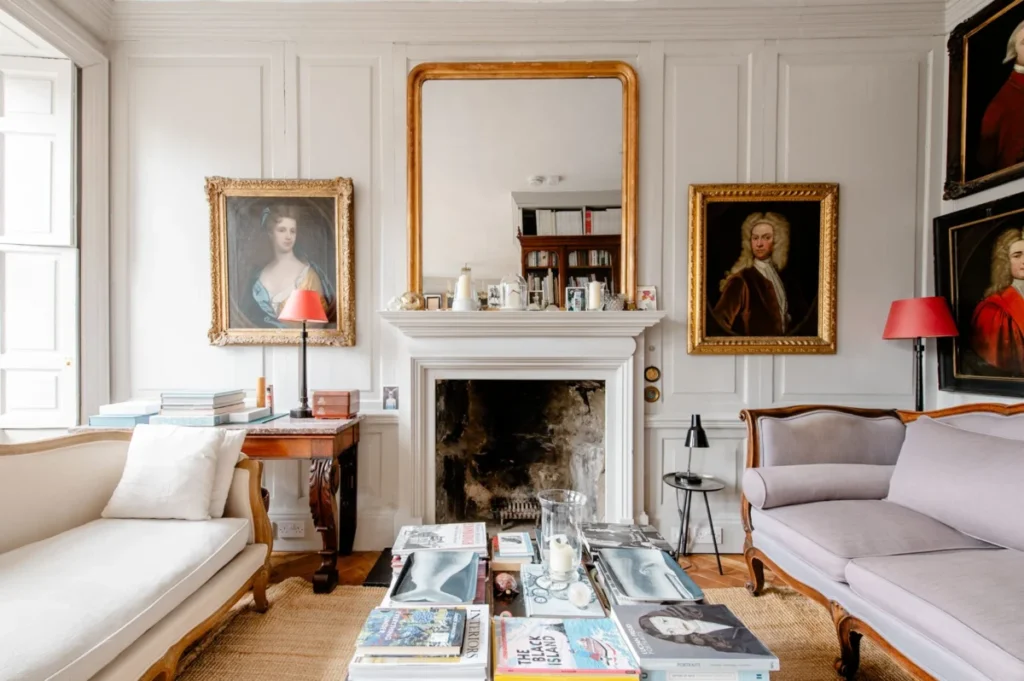
Edinburgh’s allure lies in its dual identity: the medieval, labyrinthine Old Town, dominated by the towering silhouette of Edinburgh Castle, and the orderly, neoclassical splendor of the New Town, planned in the 18th century. When selecting accommodations, visitors are increasingly seeking properties that mirror this aesthetic. According to recent reports from the Scottish Tourism Alliance, there has been a measurable shift in traveler preferences toward "authentic" local living. This trend has placed properties that feature original architectural details—such as crown moldings, sash windows, and exposed stonework—at a premium.
For many visitors, a stay in a historic mews house or a renovated tenement is not merely about lodging; it is a cultural immersion. The ability to prepare a morning meal of tattie scones in a period-accurate kitchen or to gaze out of a Georgian window over the city’s skyline provides a sensory connection to Edinburgh’s heritage that large-scale hotel chains often struggle to replicate.
A Chronology of Urban Living and Rental Shifts
The evolution of Edinburgh’s housing stock reflects its tumultuous and prosperous history. The 18th-century tenements, originally built to house a growing population during the Scottish Enlightenment, were marvels of urban density. Today, these structures—many of which require careful preservation—serve as the foundation for the city’s most sought-after rentals.
In recent years, the local government has introduced stricter regulations regarding short-term lets (STLs). In 2023, the City of Edinburgh Council implemented a licensing scheme designed to manage the impact of tourism on residential neighborhoods. This regulatory framework aims to balance the economic benefits of the visitor economy with the need for housing availability for permanent residents. Consequently, the rentals that remain on the market are increasingly those that are professionally managed and fully compliant with safety and planning standards, ensuring a higher baseline of quality for the consumer.
Notable Properties and Their Historical Context
The city’s rental market is anchored by several distinct property types, each offering a specific glimpse into Edinburgh’s past:
Georgian Elegance in the City Center
Properties such as those found in the New Town, often housed in 19th-century townhomes, represent the height of Georgian architectural ambition. These spaces are characterized by their "piano nobile"—the grand drawing rooms on the first floor—which feature soaring ceilings and intricate cornicing. Staying in these units allows guests to reside in the same neighborhoods once inhabited by the city’s intellectual elite, including figures like Sir Walter Scott and David Hume.
The Tenement Experience
The Royal Mile and surrounding Old Town areas are defined by the "land" or tenement style of building. These structures were the first high-rises of their era. Modern studio conversions in these locations offer a stark contrast between 18th-century stone exteriors and contemporary, minimalist interiors. The physical challenge of navigating spiral staircases—often original to the building—is a hallmark of the experience, rewarding the guest with elevated views of the city’s historic spires.
Industrial and Rural Repurposing
Beyond the city center, areas like Stockbridge and the outlying regions of Fife offer a different perspective. Warehouse conversions in Stockbridge highlight the neighborhood’s history as a hub for artisans and independent commerce. Meanwhile, rural escapes, such as those situated on the 750-acre Banchory Farm, demonstrate the shift toward "agritourism." These properties, some dating back to 1829, have been retrofitted with underfloor heating and modern kitchen technology, bridging the gap between rugged, remote beauty and the comforts of the 21st century.

Economic and Social Implications
The rise of high-end vacation rentals in Edinburgh carries broader economic implications. The direct expenditure from tourists staying in these homes supports a wide network of local services, including boutique grocery shops, artisanal bakeries, and professional cleaning and maintenance firms. However, this growth has not been without controversy.
Concerns regarding the "hollowing out" of city centers have led to rigorous public debate. Local community groups, such as the Cockburn Association, have long advocated for a sustainable balance, emphasizing that Edinburgh’s charm is derived from its residents, not just its architecture. The current licensing regime is a direct response to these concerns. By requiring hosts to obtain planning permission for changes of use, the city aims to prevent the total commercialization of residential stairwells, thereby protecting the social fabric of the city.
Supporting Data and Visitor Trends
Data from VisitScotland indicates that Edinburgh remains the primary gateway for international visitors to Scotland. In 2023, the city saw record-breaking numbers during the August festival period, with the Edinburgh Festival Fringe alone hosting thousands of performers and hundreds of thousands of visitors.
The surge in demand during these peak periods has led to a diversification of the rental market. While traditional hotels remain booked at capacity, the Airbnb sector has stepped in to accommodate the overflow. Analysts note that travelers staying in private homes tend to have longer average lengths of stay compared to those in hotels, which correlates with higher local spending on food, culture, and transport.
A Guide to Selecting the Right Neighborhood
For prospective visitors, understanding the geography of Edinburgh is essential for a seamless stay:
- New Town: Best for those who appreciate neoclassical architecture, wide streets, and proximity to high-end shopping on George Street. It is generally quieter and more orderly.
- Old Town: Ideal for history enthusiasts who wish to be steps away from the Royal Mile, the Grassmarket, and the dramatic architecture of the medieval city. It is significantly busier, especially during festival months.
- Stockbridge/West End: These areas provide a "village-within-a-city" feel. They are favored by those who prefer independent cafes, farmers’ markets, and a slightly slower pace of life while still being within walking distance of the center.
- Bruntsfield/The South Side: Known for its greenery and proximity to the Meadows, this area is popular with families and those seeking a more residential, local experience.
Analysis: The Future of Edinburgh Stays
The outlook for Edinburgh’s visitor accommodation market is one of controlled professionalization. As the regulatory landscape matures, the "amateur host" model is being superseded by professional management companies that prioritize safety, energy efficiency, and high design standards.
From an investment and travel perspective, the "Airbnb" experience in Edinburgh has evolved from a simple peer-to-peer exchange into a curated hospitality sector. Travelers are no longer just looking for a bed; they are looking for a property that tells a story. Whether it is a 16th-century dovecote or a modern loft with volcanic rock kitchen surfaces, these homes serve as a living museum of Scottish craftsmanship.
As the city continues to navigate the pressures of over-tourism, the long-term viability of these rentals will depend on their ability to integrate into the existing community structure. For the visitor, this means a more regulated, safer, and ultimately more authentic stay. Edinburgh, with its blend of rugged Highland spirit and sophisticated urban planning, continues to set the standard for how historic cities can adapt to the modern global travel economy without losing the character that makes them globally significant.
Travelers planning their visits should remain mindful of the local regulations, ensuring that any booking is made through platforms that adhere to the City of Edinburgh Council’s current licensing requirements. This not only guarantees a better experience but also supports a sustainable future for one of the world’s most enduring and beautiful capital cities.