
In an era where digital content can instantly shape public perception, K-pop idols often find themselves under a relentless microscope. Recently, a high-profile public appearance by NCT and SuperM member Mark Lee became the epicenter of a fierce online controversy after a deceptively edited video went viral across multiple social media platforms. The footage, which seemingly attempted to manufacture a narrative regarding a decline in the artist’s commercial appeal and fan following, has since ignited a broader conversation about digital manipulation, fan culture, and the ethics of social media commentary within the global entertainment industry.
The incident underscores the growing volatility of internet discourse surrounding prominent public figures. As multinational brands increasingly rely on K-pop stars to capture younger, highly engaged demographic segments, public events have transformed into battlegrounds for online fandoms. What should have been a routine celebration of fashion and global brand ambassadorship quickly devolved into a case study of how easily context can be distorted for viral engagement.
The Genesis of the Controversy: The Ralph Lauren Event
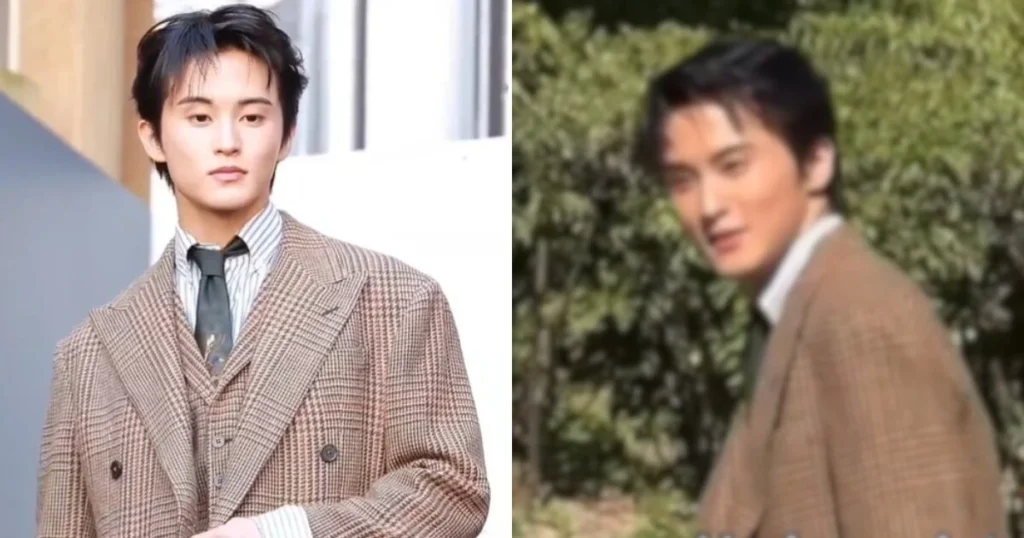
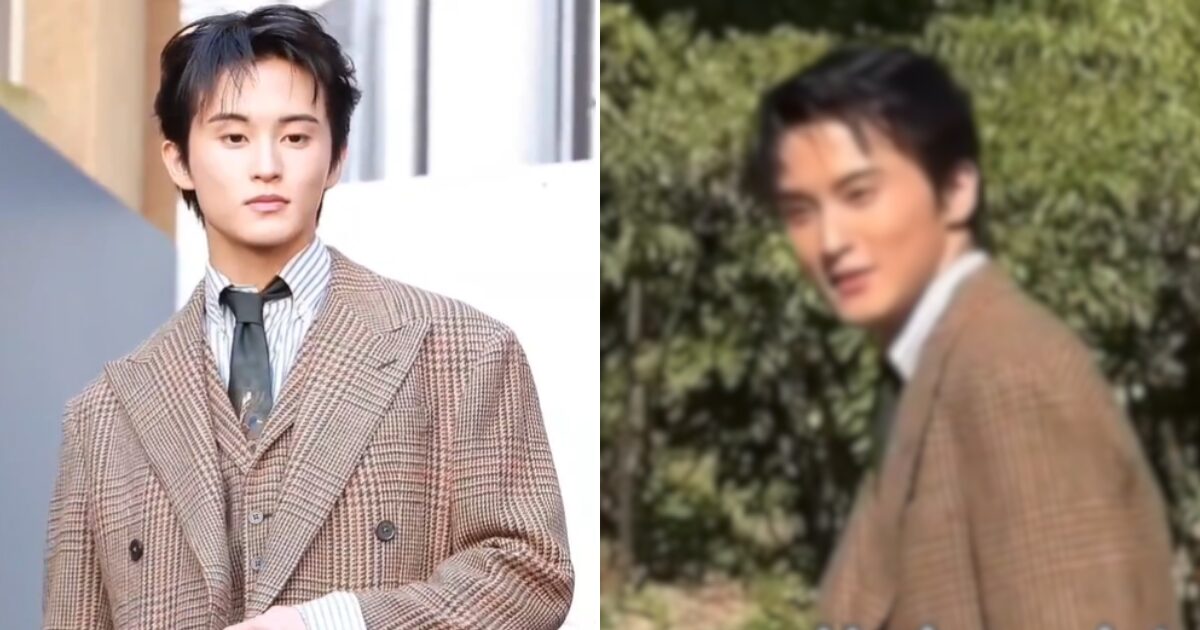
The controversy originated from a high-profile promotional event hosted by iconic fashion house Ralph Lauren, a brand known for leveraging top-tier Asian musical talent to bolster its international footprint. Mark Lee, celebrated globally for his extensive contributions to NCT, NCT Dream, NCT 127, and SuperM, attended the function dressed in a meticulously tailored ensemble that drew immediate praise from fashion critics and style enthusiasts alike. Photographs and initial live-streamed clips captured the idol posing confidently for the press, exemplifying the sophisticated aesthetic associated with the luxury label.
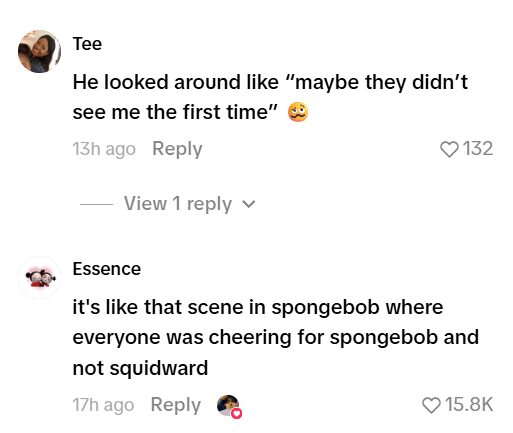
However, shortly after the event concluded, short-form video platforms—most notably TikTok—began circulating clips that painted a starkly different picture. One particular video gained significant traction by ostensibly comparing the crowd’s reception of Mark Lee to that of ENHYPEN member Jay, who was also present at the gathering. The video utilized selective audio editing and strategic framing to create the illusion that Mark was greeted by an unnaturally silent, indifferent crowd, whereas Jay supposedly received thunderous applause and adulation.
Within hours, the post accumulated hundreds of thousands of views, drawing sharp reactions from across the digital landscape and prompting intense speculation regarding the stability of Mark’s enduring popularity.

Rapid Polarization and Online Division
As the video continued to spread, the digital community fractured into distinct camps. Detractors and opportunistic trolls seized upon the footage to question whether the veteran idol’s peak years of popularity were waning. Comments sections on TikTok and X (formerly Twitter) quickly filled with speculative debates, with some users questioning the longevity of long-standing idol groups compared to newer, ascending generations of K-pop acts.
Conversely, a substantial contingent of netizens, led primarily by Mark’s dedicated fanbase, immediately questioned the authenticity of the viral clip. Observers pointed out glaring discrepancies in the audio mixing, noting that the ambient sound had been noticeably muffled during Mark’s appearance. These users argued that the video was a deliberate fabrication designed to generate online friction between different fandoms and tarnish the reputation of a seasoned performer who has maintained an unblemished public profile for nearly a decade.
Fact-Checking and the Unveiling of Reality
The backlash against the deceptive video did not remain confined to defensive commentary; it swiftly evolved into a coordinated fact-checking effort. Armed with unedited footage, alternative camera angles, and on-the-ground witness accounts, fans began publishing comprehensive digital dossiers dismantling the narrative promoted by the viral TikTok post.

Multiple clips shared on X provided verifiable proof of the actual atmosphere at the venue. These alternative recordings captured audible, enthusiastic cheers from crowds stationed outside the venue, as well as positive reactions from magazine editors, media personnel, and event staff stationed nearby. Witnesses confirmed that a significant portion of the gathered onlookers were holding merchandise and placards dedicated to Mark, actively chanting his name as he arrived and departed the premises.
By juxtaposing the heavily edited viral clip with continuous, uncompressed footage, supporters successfully demonstrated that the supposed "silence" was an artificially manufactured effect rather than an authentic reflection of public sentiment.
Broader Industry Implications and the Mechanics of Fandom Wars
This incident serves as a salient reminder of the darker side of modern fandom culture, often referred to colloquially in the K-pop community as "fan wars." In recent years, rivalries between fandoms have transcended simple album sales and streaming metrics, occasionally descending into sophisticated campaigns of misinformation. By utilizing advanced video editing tools and leveraging algorithmic biases that favor sensationalism, malicious actors can temporarily manipulate public opinion on a global scale.
For luxury brands and corporate entities partnering with K-pop idols, these digital skirmishes present unique challenges. Brand ambassadors are selected based on their verified reach, demographic influence, and positive public image. When manufactured controversies threaten to distort these metrics, it not only impacts the artist but also introduces unnecessary friction into corporate partnerships. However, the swift and robust defense mounted by the artist’s community demonstrated the resilience of established fan bases, who remain vigilant against attempts to undermine their idols’ standing.
The Enduring Appeal of Mark Lee
Despite the manufactured controversy, industry analysts note that Mark Lee’s career trajectory remains exceptionally strong. Having debuted under SM Entertainment in 2016, Mark has consistently broken records, contributed to chart-topping songwriting and production credits, and established himself as one of the most versatile and respected performers of his generation. His ongoing collaborations with global fashion houses highlight his enduring commercial viability and his status as a trusted face for international luxury brands.
Ultimately, the viral video debacle highlights the critical need for media literacy in the digital age. As short-form video platforms continue to prioritize engagement over accuracy, viewers are increasingly tasked with looking beyond sensationalized snippets to verify the truth. For Mark Lee and his supporters, the incident concluded not as a testament to fading popularity, but as an emphatic reaffirmation of the unwavering loyalty and protective solidarity that defines contemporary music fandoms.