
Amazon Music is significantly accelerating its push into the visual medium by expanding its video podcast catalog and scaling its availability to international markets. Following an initial U.S. rollout in May, the platform is now extending video podcast access to subscribers in Canada, the United Kingdom, Mexico, Brazil, and Japan. This strategic maneuver is paired with the introduction of new monetization tools designed to give creators robust control over ad insertion, preserving their existing sponsorships while opening new revenue streams. As platforms increasingly blur the lines between audio and visual entertainment, Amazon’s latest updates highlight an industry-wide race to capture audience attention in a market heavily dominated by YouTube.
The Evolution of the Video Podcast Landscape
The consumption habits of digital media consumers have undergone a profound transformation over the past half-decade. What was once strictly an audio-only medium has rapidly evolved into a visual experience, largely catalyzed by the massive popularity of video-first platforms. Industry data consistently indicates that modern audiences prefer the flexibility of switching between listening and watching their favorite programs.
For platforms like Amazon Music, Spotify, Apple Podcasts, and even streaming giant Netflix, integrating video has transitioned from an experimental feature to a core strategic necessity. YouTube, traditionally viewed as a music and video-sharing site, has quietly and effectively become the world’s most popular podcasting platform. By offering both audio feeds and dynamic visual elements, competitors are attempting to recapture market share and retain users who increasingly expect a face-to-face connection with their favorite hosts and guests.
Amazon Music’s initial U.S. launch in May laid the groundwork for this transition. Early programming featured high-profile titles from Higher Ground—such as IMO with Michelle Obama and Craig Robinson—alongside popular culture mainstays like Khloé in Wonder Land, Not Skinny But Not Fat, and Let’s Be Honest with Kristin Cavallari. Furthermore, Amazon’s subsidiary studio Wondery contributed major hits including New Heights, Armchair Expert, and The Oprah Podcast, establishing an immediate baseline of premium content.
Global Expansion and Expanded Hosting Partnerships
The current phase of expansion brings these offerings to a massive international audience. Beginning Wednesday, users in Canada, the UK, Mexico, Brazil, and Japan gain direct access to video podcasts within the Amazon Music application.
To fuel this international catalog, Amazon Music is onboarding content from a diverse array of major hosting providers and media networks. Initial international and expanded domestic rollouts include content sourced through Triton Digital’s Omny Studio and Flightcast. Additional shows from SiriusXM, Megaphone, and Libsyn are scheduled to arrive on the platform in the coming months.
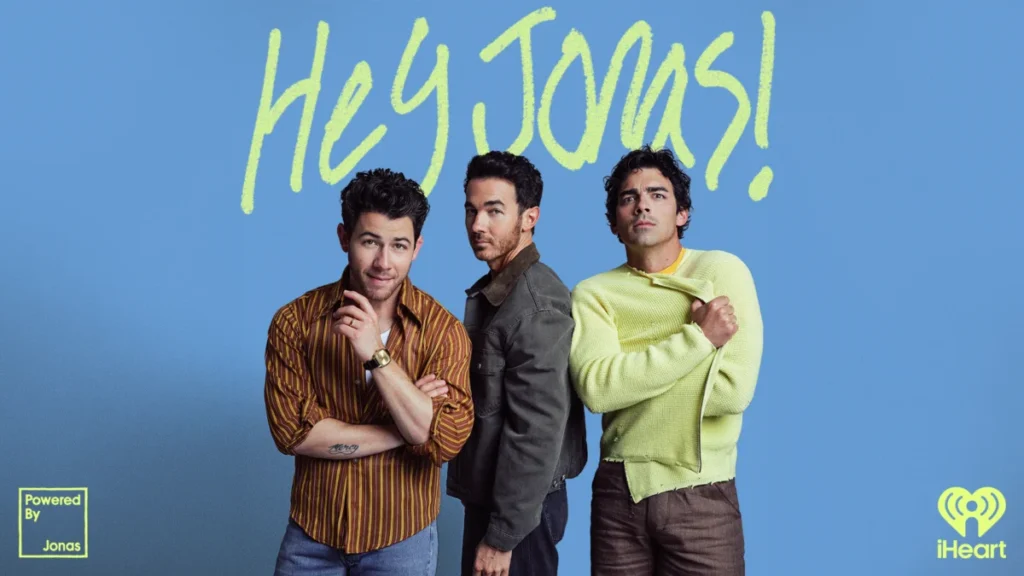
This pipeline ensures a steady stream of recognizable programming. Confirmed upcoming titles include Hey Jonas!, Joy 101 with Hoda Kotb, Pro Football Talk Live with Mike Florio, and Solved with Mark Manson. Furthermore, listeners can anticipate a continuous influx of new content from prominent media brands such as iHeartMedia, SiriusXM, Spotify, NBC Sports, and Headgum, spanning genres from true crime and investigative journalism to celebrity interviews and breaking news. ART19, an audio hosting and advertising company owned by Amazon, serves as a primary foundational infrastructure distributing these video files across the ecosystem.
Empowering Creators Through Flexible Monetization
A persistent challenge in the transition of podcasts to video has been creator compensation and ad management. Historically, visual platforms often enforced rigid, automated ad insertion models that could clash with a creator’s existing brand deals or disrupt the narrative flow of a show.
Addressing this concern head-on, Amazon Music has introduced advanced monetization capabilities specifically tailored for video podcasters. The platform’s updated framework allows creators to seamlessly insert dynamic video advertisements directly into their episodes while retaining full ownership of their pre-existing brand sponsorships and baked-in advertisements.
This creator-first approach is designed to build long-term loyalty among top-tier talent and independent producers alike. By ensuring that creators maintain control over their hosting relationships, ad inventory, and audience monetization models, Amazon positions itself as a cooperative partner rather than a restrictive gatekeeper.
Official Industry Perspectives and Strategic Vision
Leadership at Amazon Music emphasizes that these structural decisions are rooted directly in consumer data and ongoing feedback from the creative community.
“Industry data confirms what our customers have been telling us — they want the flexibility to watch their favorite podcasts, in addition to listening,” said Shea Simpson, Head of Spoken Word for Amazon Music. “As video consumption continues to grow, we’re constantly looking for ways to expand our offerings for customers to engage across formats. By working with leading podcast publishers, we’re bringing the top video podcast shows to customers across the US, Canada, UK, Mexico, Brazil, and Japan — spanning true crime, breaking news, celebrity interviews, and more. Just as importantly, we’ve built this in a way that lets creators keep full ownership of their hosting, ad inventory, and audience monetization.”
This philosophy reflects a broader maturation within the digital audio sector. As production budgets for podcasts rival those of traditional television and radio networks, creators demand infrastructure that supports high-definition video distribution without sacrificing the decentralized economic models that made podcasting successful in the first place.
Broader Industry Implications and Future Outlook
The aggressive integration of video into traditional audio applications carries significant implications for the digital media economy. As Amazon Music, Apple Podcasts, and Spotify continue to scale their visual capabilities, the traditional boundaries separating podcast networks, streaming video services, and social media platforms are dissolving.
For advertisers, the standardization of video podcast metrics across multiple platforms offers a more cohesive way to reach engaged demographics. Brands can now purchase integrated video spots that run across audio apps, desktop web players, and connected television interfaces, maximizing the return on investment for marketing campaigns.
For consumers, the shift means a more unified entertainment experience. Users no longer need to jump between a background audio app and a video-sharing site to catch the visual reactions, guest body language, or exclusive clips associated with a popular interview.
As Amazon Music rolls out its expanded international catalog and onboarded hosting providers deploy new content streams over the coming months, the competitive pressure on independent and legacy platforms will intensify. The ultimate winner of this multi-platform race will likely be determined by user experience, content exclusivity, and the fairness of creator revenue-sharing models. With its latest update, Amazon Music has signaled its intent to remain a formidable contender in the evolving landscape of digital media consumption.