
The 2026 Emmy Awards ceremony, held this past weekend, served as a poignant reminder of the transient nature of television stardom and the immense contributions made by those who shape the industry’s landscape. While the telecast aimed to celebrate the medium’s brightest lights, the annual "In Memoriam" segment—a centerpiece of the broadcast—has once again ignited intense public scrutiny and debate. Following a moving performance by singer-songwriter Noah Kahan, who delivered a somber rendition of Simon & Garfunkel’s "Bridge Over Troubled Water," the montage highlighted a roster of late industry icons, including Rob Reiner, Sam Neill, Tim Curry, Isaiah Whitlock Jr., James Van Der Beek, and Catherine O’Hara. However, the subsequent discourse has been dominated not by the names included, but by the glaring omissions that left fans, industry professionals, and critics questioning the selection process of the Television Academy.
A Controversial Selection Process
The inclusion and exclusion of talent in the Emmy Awards’ "In Memoriam" tribute has historically been a point of friction between the Television Academy and the viewing public. Each year, producers face the logistical challenge of condensing a year’s worth of losses into a segment that rarely exceeds five minutes. According to industry insiders, the decision-making process involves a committee that balances career longevity, Emmy recognition, and general cultural impact.
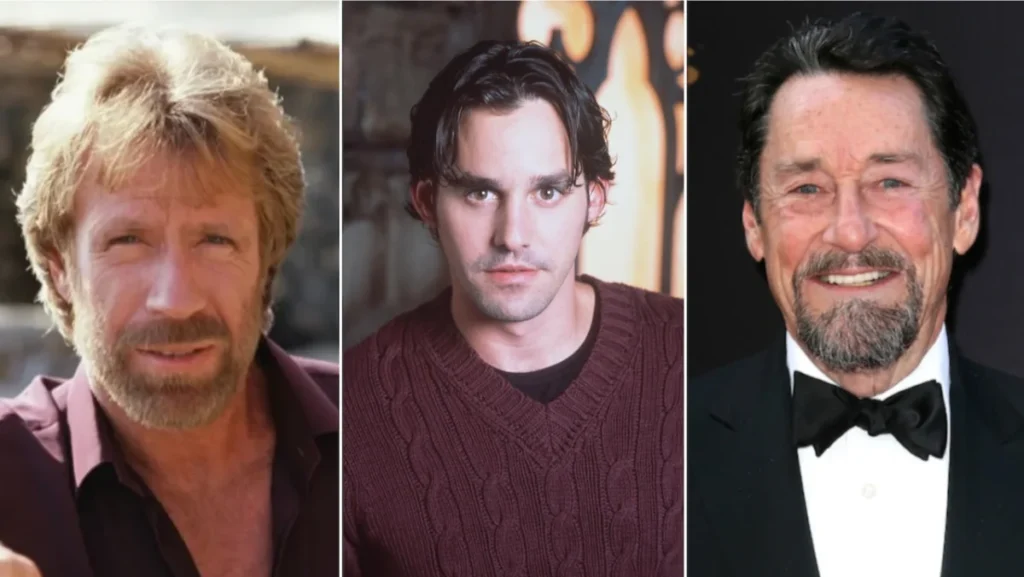
Despite these guidelines, the 2026 broadcast failed to acknowledge several figures whose influence on television remains significant. As reported by The Hollywood Reporter, the list of those missing from the televised tribute was substantial. Among the most notable omissions were legendary action icon Chuck Norris, known for his long-running tenure on Walker, Texas Ranger; actress Daveigh Chase, recognized for her work on Big Love; and actor Patrick Muldoon, a staple of daytime television via Days of Our Lives.
Perhaps most surprising to animation and pop-culture enthusiasts was the exclusion of Peter Cullen, the legendary voice actor whose portrayal of Optimus Prime in Transformers spans decades of television history, and Tom Kane, the esteemed voice behind iconic characters in Star Wars: The Clone Wars. The absence of these performers, who have shaped the childhoods of millions through voice-over artistry, has raised concerns regarding how the Academy perceives the importance of non-live-action roles within the broader television ecosystem.
The Buffy the Vampire Slayer Discrepancy
One of the most widely discussed omissions involved Nicholas Brendon, who played Xander Harris in the seminal series Buffy the Vampire Slayer. The oversight felt particularly jarring given the structural choices made during the 2026 ceremony. The production team opted to include Anthony Head—Brendon’s co-star—in the tribute segment, while simultaneously orchestrating an on-screen Buffy reunion featuring Sarah Michelle Gellar and David Boreanaz.
The contrast between the nostalgic celebration of the series and the lack of recognition for one of its primary cast members highlighted a disconnect in the telecast’s production narrative. Fans and industry analysts have pointed out that in an era of high-definition archival footage and social media connectivity, the failure to acknowledge a core member of a globally recognized ensemble cast appears as a significant lapse in archival due diligence.
Contextualizing the In Memoriam Tradition
To understand the weight of these omissions, one must look at the history of the "In Memoriam" segment. Since its inception, the tribute has evolved from a simple roll call of names to a highly produced, emotional centerpiece of the ceremony. In recent years, the Academy has faced increasing pressure to be more inclusive of craft professionals—such as editors, cinematographers, and voice actors—whose names rarely appear in mainstream headlines but are essential to the functionality of the medium.
The 2026 ceremony, however, suggests a move toward a more selective, headline-driven approach. While the inclusion of icons like Rob Reiner and Catherine O’Hara is objectively justified by their massive contributions to the craft, the exclusion of figures like Chuck Norris and Peter Cullen suggests a potential bias toward traditional live-action narrative acting. This approach, while efficient for a short broadcast, often overlooks the diversity of talent that constitutes the modern television landscape.
Industry Implications and Public Response
The fallout from the 2026 ceremony has triggered a broader conversation regarding the criteria used by the Television Academy. In an age where the definition of "television" has expanded to include streaming services, international co-productions, and animation, the parameters for what constitutes a "notable" industry figure have become increasingly blurred.
When queried about the vetting process, representatives for the Television Academy have historically maintained that they endeavor to include as many individuals as possible, often directing those seeking clarification to an expanded, digital version of the tribute available on their official website. However, for many viewers, the digital archive serves as a poor substitute for the validation provided by the televised segment.
The criticism surrounding the 2026 segment serves as a case study in the challenges of institutional memory. As the industry grows, the volume of talent who pass away each year increases exponentially. If the Academy continues to prioritize "star power" over the breadth of industry contribution, they risk alienating segments of their audience who value the legacy of genre-specific performers and voice actors.
Looking Toward 2027: A Call for Transparency
The debate following the 2026 Emmys has already led to calls for greater transparency in how the "In Memoriam" list is curated. Industry observers suggest that a more equitable approach might involve a tiered system of recognition, or perhaps a more robust acknowledgement of the digital tribute during the live broadcast to ensure that those omitted from the montage are not forgotten by the viewing public.
Furthermore, the exclusion of Nicholas Brendon highlights the need for better communication between production teams and the Academy’s archival committees. When a show is being actively celebrated on stage, there is an implicit expectation that the tribute segment will mirror that recognition. The failure to align these elements in 2026 suggests that the production of the awards show and the curation of the tribute may be operating in silos, an issue that will likely need to be addressed before the 2027 cycle.
Conclusion: The Legacy of Television
The "In Memoriam" segment is more than just a list of names; it is a declaration of what the television industry values. By choosing to honor certain individuals while omitting others, the Academy is implicitly defining the parameters of success and legacy. The 2026 Emmys, while successful in their celebration of certain icons, have left a mark of controversy that underscores the difficulty of summarizing a lifetime of work in a few fleeting moments.
As the industry moves forward, the pressure will remain on the Television Academy to refine its selection process. The goal, ultimately, is to honor the totality of the medium—not just the faces that dominate the marquee, but the voices, character actors, and creative forces that have made television the dominant cultural medium of the last century. Until a more inclusive methodology is adopted, these annual tributes will continue to be a source of tension, serving as a reminder that in the eyes of the Academy, not all legacies are created equal.