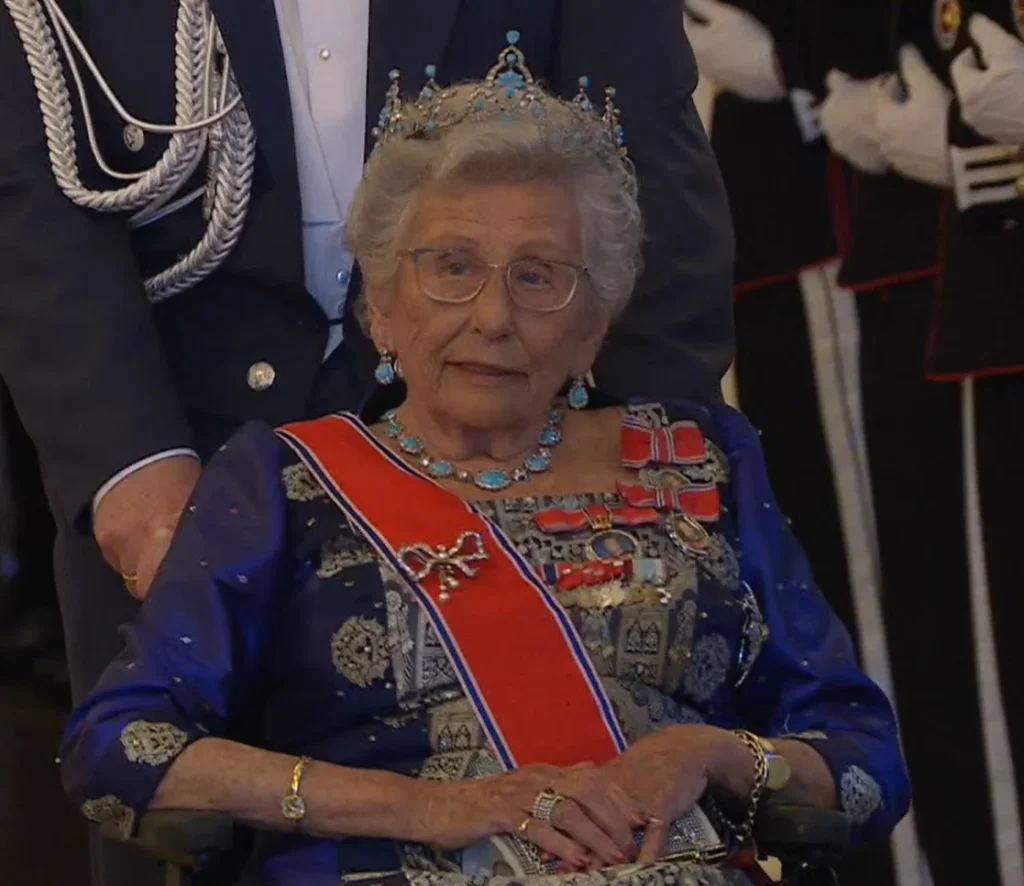

The Norwegian Royal House has announced the passing of Princess Astrid, the elder sister of the late King Harald, who died at the age of 94 on September 11. Her death comes just days after the funeral of her younger brother, marking the end of a remarkable era for the Scandinavian monarchy. Princess Astrid was a steadfast figure who dedicated her life to public service, championing the vulnerable, and supporting the royal institution through four distinct reigns.
As the middle child of King Olav V and Crown Princess Märtha, Princess Astrid’s life spanned nearly a century of profound historical change. Her passing leaves a significant void within the royal family and the nation at large, prompting an outpouring of grief and remembrance from relatives, civic leaders, and citizens across Norway. In response to her passing, King Haakon has ordered all national flags to fly at half-mast at the Royal Palace in Oslo, a tribute that will remain in place until the day of her yet-to-be-announced funeral.
A Life of Unwavering Duty Through Four Reigns
Born on February 12, 1932, Princess Astrid’s life was inextricably linked to the modern history of Norway. Her formative years were shaped by the turbulence of the Second World War, including the Nazi occupation of Norway in 1940, which forced her family into exile. While her mother and siblings sought refuge in the United States, these early experiences instilled in the young princess a profound sense of duty, resilience, and national pride.
Following the end of the war and the return of the royal family, Princess Astrid undertook extensive educational pursuits before stepping into a prominent public role. Tragedy struck the royal household in 1954 with the untimely death of her mother, Crown Princess Märtha. Stepping into an extraordinary role at a young age, Princess Astrid assumed the duties of First Lady of Norway. For fourteen years, she stood faithfully by her father’s side, hosting foreign dignitaries, managing official state functions, and representing the monarchy with poise and elegance until her brother, then-Crown Prince Harald, married Crown Princess Sonja in 1968.
Despite stepping back from the primary role of First Lady, Princess Astrid never wavered in her commitment to public service. She continued to undertake official engagements and patronages for decades, becoming one of the most visible and beloved members of the extended royal family. Her longevity allowed her to serve under four separate monarchs: King Haakon VII, King Olav V, King Harald V, and latterly, King Haakon. Throughout these generational shifts, she remained a stabilizing anchor, offering wisdom, historical continuity, and institutional memory to a changing nation.
Deep Personal Loss and Familial Tributes
Princess Astrid’s passing follows closely on the heels of the death and funeral of her younger brother, King Harald. The consecutive losses have placed a heavy emotional burden on the Norwegian royal family, who are currently navigating a period of profound transition.
Princess Astrid was predeceased by her husband, Johan Ferner, whom she married in 1961. Together, they raised five children: Catherine, Benedikte, Alexander, Elisabeth, and Carl-Christian. In a deeply moving joint statement released through the Royal Court, her children paid tribute to her warmth, resilience, and maternal devotion:
"Thank you for being the best mother we could have. Throughout your life you were there for us—with love and wisdom, warmth and good humour. You were there for grandfather King Olav and uncle King Harald—present, loyal and dutiful. And in addition—for those who needed a little extra care—you always showed genuine care."
The statement concluded with a poignant reflection on their shared grief: "In grief we stand together in gratitude."
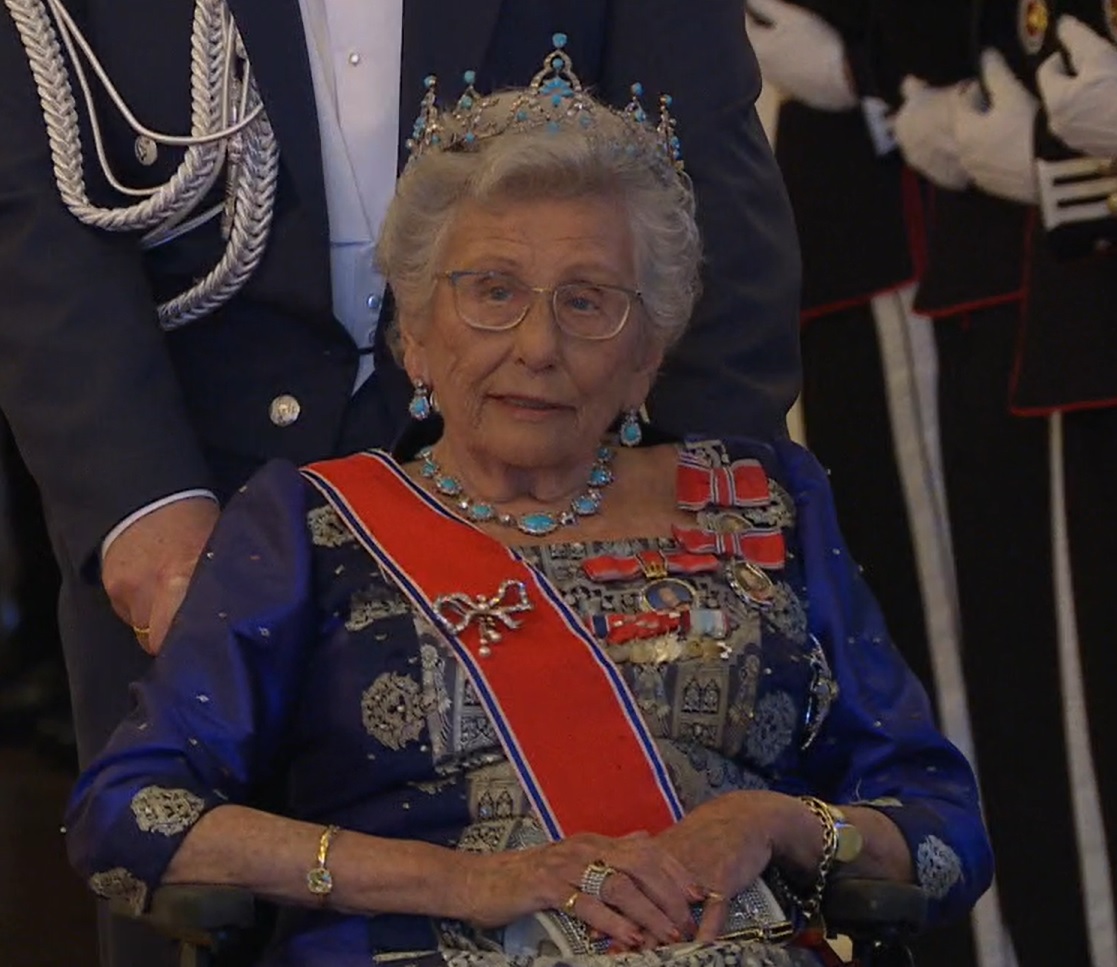
King Haakon also issued a formal statement honoring his late aunt, emphasizing her steadfast dedication and impactful legacy. The monarch highlighted the exceptional manner in which Princess Astrid represented the royal family across multiple generations, noting that her work was consistently driven by a deep concern for society’s most marginalized groups.
"In her work, Princess Astrid was always particularly concerned with care and inclusion for the most vulnerable in society," King Haakon stated. "She was very loyal and always carried out her duties with commitment, presence and an infectious spirit. Aunt Astrid was an important support for King Harald and the rest of us in the family. We learned a lot from her and she was not afraid to speak up. Her passing is a great loss for us. We will miss her. My family and I send warm thoughts to Aunt Astrid’s closest friends."
Philanthropic Legacy and Advocacy for the Vulnerable
Beyond her ceremonial duties, Princess Astrid is remembered most fondly for her extensive humanitarian work and passionate advocacy for marginalized communities. Unlike traditional royals who maintained a distance from social controversies, she deliberately chose patronages that aligned with her personal values of empathy, inclusion, and social justice.
Throughout her decades of public life, she championed numerous organizations dedicated to supporting individuals with disabilities, dyslexia, and mental health challenges. Drawing partly from her own experiences with dyslexia during her youth, she became a pioneering voice in raising awareness and reducing the stigma associated with learning disabilities in Norway. Her hands-on approach to charity work earned her immense respect from social workers, medical professionals, and the individuals she advocated for.
Her commitment was never merely symbolic; she regularly engaged directly with beneficiaries, listening to their stories and using her platform to amplify voices that often went unheard in traditional societal structures. This genuine compassion cemented her reputation as a "people’s princess" who utilized her royal status to effect meaningful, positive change in Norwegian society.
Chronology of Key Milestones
- February 12, 1932: Princess Astrid is born in Oslo, the second daughter of Crown Prince Olav (later King Olav V) and Crown Princess Märtha.
- 1940–1945: Spends the years of World War II in exile in the United States alongside her mother and siblings during the German occupation of Norway.
- April 5, 1954: Her mother, Crown Princess Märtha, passes away, prompting Princess Astrid to assume the duties of First Lady of Norway at the age of 22.
- 1954–1968: Serves as the official First Lady, hosting state banquets, accompanying King Haakon VII and King Olav V, and representing the nation internationally.
- January 12, 1961: Marries businessman Johan Ferner at Asker Church, subsequently welcoming five children: Catherine, Benedikte, Alexander, Elisabeth, and Carl-Christian.
- August 29, 1968: Following the marriage of Crown Prince Harald to Crown Princess Sonja, she officially hands over the role of First Lady while continuing her extensive independent philanthropic and royal duties.
- July 9, 2015: Her husband, Johan Ferner, passes away at the age of 88.
- September 2025: Attends the funeral of her younger brother, King Harald.
- September 11, 2025: Passes away peacefully at the age of 94, marking the end of an era defined by nearly a century of royal service.
Implications for the Monarchy and National Identity
The passing of Princess Astrid marks a definitive turning point for the Norwegian Royal House. As the last surviving member of her immediate generation of royals, her death severs a direct living link to the harrowing days of World War II and the foundational years of modern, post-war Norwegian democracy.
In recent years, the Norwegian monarchy has faced various modernizing transitions, public scrutiny, and shifts in institutional responsibilities. Figures like Princess Astrid provided a comforting sense of historical continuity and institutional memory. Her ability to bridge the gap between traditional royal expectations and contemporary social values helped maintain high levels of public affection and respect for the institution.
As King Haakon and the younger generation of royals assume full stewardship of the monarchy, the loss of Aunt Astrid removes a vital counselor, confidante, and historian of the family. Her legacy, however, remains deeply embedded in the social fabric of Norway. Through her decades of tireless advocacy for the vulnerable, her unwavering loyalty to the crown, and her personal warmth, Princess Astrid leaves behind a lasting blueprint for modern royal service—one characterized not merely by privilege, but by profound duty, empathy, and active engagement with the human condition.
The Norwegian Royal Court is expected to release further details regarding the state arrangements and the official state funeral in the coming days, allowing citizens and international dignitaries alike to pay their final respects to a remarkable royal who defined an epoch of Norwegian history.