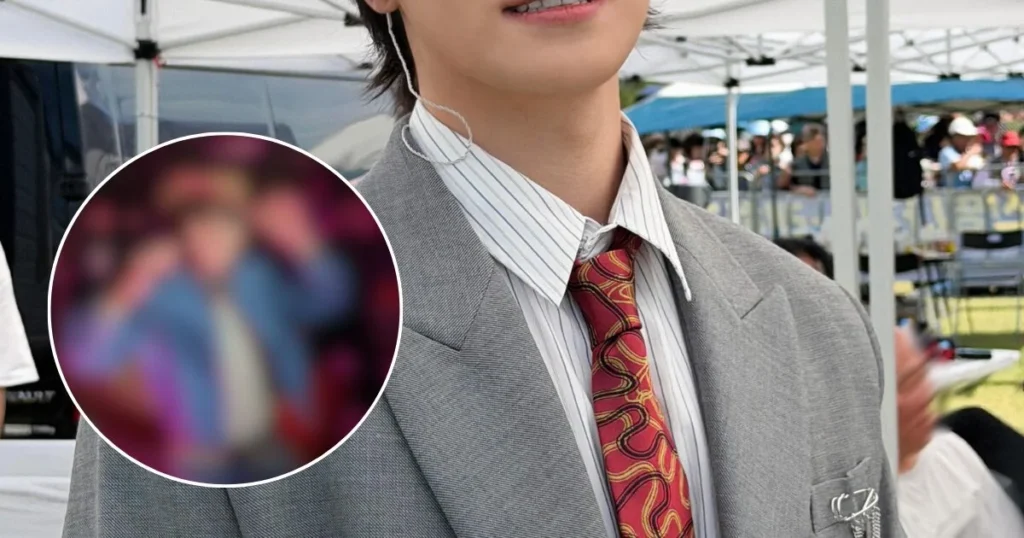

On July 22, 2026, Dino officially released the music video for his latest project, performing as the character Picheolin. The track, titled "Mischief Mischief" (translated from the Korean "Meochyeo Meochyeo"), was intended to showcase a different side of the performer’s versatility. However, the release was immediately met with a wave of comparisons to "HANDO-CHOGUA," a trot single released by BIGBANG’s Daesung. As the discourse intensifies, the incident highlights the fine line between genre-standard conventions and intellectual property infringement in the rapidly evolving K-pop landscape.
The Emergence of Picheolin and the Initial Reception
Dino, the youngest member of the global powerhouse group SEVENTEEN, has long been recognized for his exceptional dance skills and creative contributions to his group’s choreography and songwriting. The introduction of Picheolin—a persona characterized by a flamboyant, retro aesthetic—was initially seen as a playful homage to the trot genre, which has seen a massive resurgence in South Korea over the last decade. Trot, known for its distinctive repetitive rhythms and vocal inflections, has historically been the domain of older generations but has recently been embraced by younger "idol" artists.
The promotional rollout for Picheolin’s debut began with a teaser posted on X (formerly Twitter) on July 21, 2026. While fans initially expressed excitement for Dino’s creative range, the sentiment shifted as listeners began to notice familiar musical motifs. By the time the full music video premiered the following day, the comparison to Daesung’s "HANDO-CHOGUA" had become the dominant narrative surrounding the release.
Detailed Chronology of the Controversy
The timeline of the backlash suggests a rapid escalation of public scrutiny, fueled by the accessibility of digital streaming and social media comparison tools.
- July 21, 2026 (Teaser Phase): K-pop news outlets and the official SEVENTEEN social media accounts shared a 30-second teaser of "Mischief Mischief." Within hours, "Big Bang" and "Daesung" began trending alongside Dino’s name as fans of the veteran group BIGBANG identified similarities in the brass arrangement and the "hook" of the song.
- July 22, 2026 (Official Release): The full music video was uploaded to YouTube. The visual style, which utilized a vibrant, kitschy aesthetic common in modern trot, was praised, but the auditory similarities to "HANDO-CHOGUA" became undeniable to many listeners.
- July 22, 2026 (Social Media Backlash): Accusations of "bar-for-bar" copying began to circulate. Comparative videos, placing the two tracks side-by-side, garnered millions of views on TikTok and X, intensifying the pressure on Pledis Entertainment (a subsidiary of HYBE) to respond.
Analyzing the Musical Similarities
The core of the plagiarism accusation lies in the specific "vibe" and melodic progression of the two tracks. Critics have pointed to several key areas where the songs overlap:
The Brass and Percussion Arrangement
Both "Mischief Mischief" and "HANDO-CHOGUA" utilize a high-energy brass section that serves as the backbone of the instrumental. While this is a staple of the "ppong-jjak" (fast-tempo trot) subgenre, detractors argue that the specific syncopation and the entry point of the trumpets in Dino’s track mirror Daesung’s release too closely.

Vocal Inflections and Cadence
Trot is defined by "kkeokk-gi" (vocal breaks or flexions). Daesung, who has been a pioneer of "idol trot" since his 2008 hit "Look at Me, Gwi-soon," has a very specific way of executing these breaks. Listeners have noted that Dino’s delivery in "Mischief Mischief" adopts a cadence that is remarkably similar to the one Daesung employed in "HANDO-CHOGUA," leading to claims that the song is "basically the same."
The "Hook" Structure
The chorus of both songs relies on a repetitive, two-syllable rhythmic punch. While simple hooks are common in trot to ensure "earworm" potential, the tonal shifts in the melody during these hooks have been cited as the primary evidence for the plagiarism claims.
Public Sentiment and Fandom Reactions
The controversy has divided the K-pop community into two distinct camps. On one side, supporters of Dino and SEVENTEEN (known as CARATs) argue that the similarities are a byproduct of the genre’s inherent limitations. They contend that trot, much like blues or certain forms of country music, relies on a set of standardized musical tropes. These fans point out that Dino’s Picheolin character is a satirical and celebratory take on the genre, meant to be fun rather than a serious competitive entry into the music market.
Conversely, fans of Daesung (V.I.P.s) and general music observers have expressed disappointment. Some users on X commented, "Daesung has released several trot songs, and they all have distinct identities. Why does this one sound like a carbon copy of his most recent work?" Others were more blunt, stating, "Word for word, bar for bar… there better be a logical explanation."
The frustration is compounded by the fact that Daesung is a senior artist in the industry. In K-pop culture, respecting the creative legacy of senior artists (sunbaes) is a significant social norm. Accusations that a junior artist from a major label like HYBE might have "borrowed" too heavily from a legend like Daesung carry significant weight.
Broader Implications for HYBE and the K-pop Industry
This incident occurs during a period of heightened sensitivity regarding intellectual property within HYBE. As the largest entertainment conglomerate in South Korea, HYBE has faced various challenges in 2026 regarding creative direction and label management. When a high-profile artist like Dino is caught in a plagiarism scandal, it reflects on the label’s internal A&R (Artists and Repertoire) processes.
Industry analysts suggest that the pressure to produce "viral" hits often leads producers to lean on successful formulas. "The trot genre is currently a safe bet for variety-style content," says one industry insider. "However, the line between inspiration and imitation is becoming thinner as the global audience becomes more adept at spotting similarities."

Legal and Ethical Standards in Music Plagiarism
In South Korea, music plagiarism is typically evaluated based on whether a song replicates more than eight bars of a melody or if there is "substantial similarity" in the creative expression. However, legal action is rare unless the copyright holder chooses to pursue a lawsuit. As of now, there has been no indication that Daesung’s representatives or his agency intend to take legal steps.
From an ethical standpoint, the debate remains centered on the "originality" of the Picheolin project. While the character is a fictional persona, the music is a commercial product released under the SEVENTEEN brand umbrella. The backlash serves as a reminder that even "comedy" releases are subject to the same standards of creative integrity as mainstream pop tracks.
Future Outlook for Picheolin and Dino
As the controversy continues to trend, the long-term impact on Dino’s solo career remains to be seen. Historically, K-pop artists have weathered plagiarism scandals through official apologies or by clarifying the "homage" nature of their work. Pledis Entertainment and HYBE have yet to issue a formal statement addressing the specific comparisons to Daesung’s "HANDO-CHOGUA."
For Dino, the Picheolin project was a chance to demonstrate his multifaceted talent. While the music video continues to garner high view counts, the shadow of the plagiarism accusations may linger over his future solo endeavors. The incident underscores the necessity for rigorous creative vetting in an era where global fans are more vigilant than ever.
The "Picheolin vs. Daesung" debate highlights the complexities of modern music production, where genre conventions, fan loyalty, and creative ethics collide. Whether this will lead to a shift in how idol trot is produced—or if it will simply fade as the next news cycle begins—remains a pivotal question for the industry in 2026. For now, the "Mischief Mischief" release stands as a cautionary tale of the risks involved in navigating traditional genres within the high-stakes world of global K-pop.