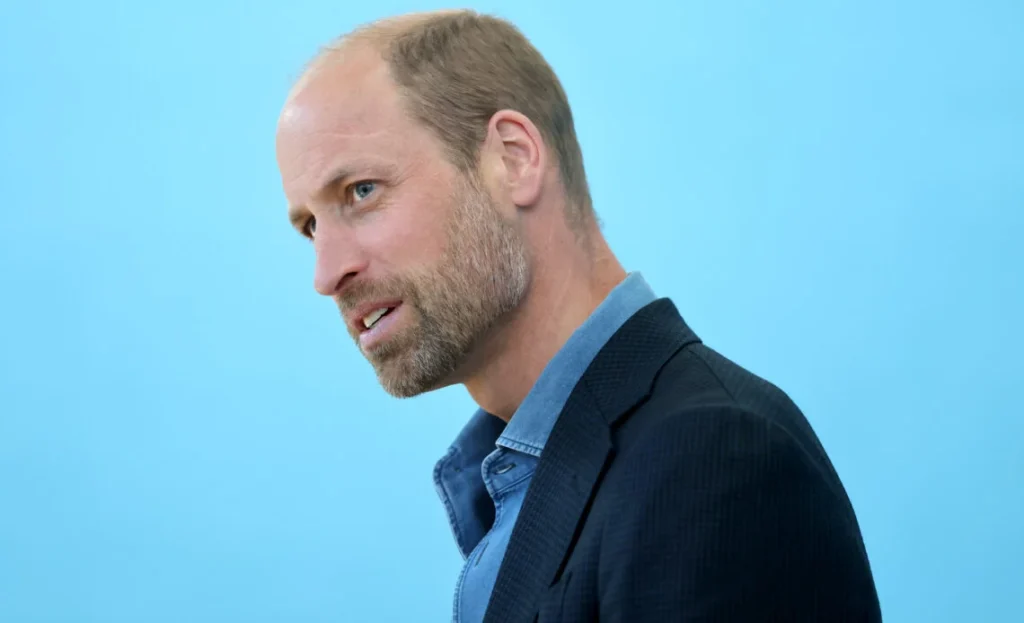

England’s journey in the FIFA World Cup concluded on Wednesday evening with a heart-wrenching 2-1 overtime defeat to Argentina, a result that extinguished the nation’s hopes of lifting the coveted trophy. Back home, members of the Royal Family, including Prince William, The Prince of Wales, and King Charles, shared their profound disappointment and unwavering pride in the Three Lions’ performance throughout the tournament.
The Prince of Wales, a known football enthusiast, conveyed his deep regret via the official Kensington Palace social media accounts. His message, signed off with a personal "W," encapsulated the collective sentiment of the nation. "Gutted," he began, a single word conveying the raw emotion of the moment. He continued, "England, you gave it everything and we are all so proud of you." The Prince lauded the team’s resilience and spirit, stating, "Thank you to everyone on and off the pitch, for an incredible tournament. The fight and belief you have shown has inspired us all. The most complete England team in a tournament. Hold your heads high." This sentiment underscores the Prince’s consistent support for the national team, often sharing personal messages of encouragement following each victory during the competition. His earlier message after England’s quarter-final victory against Norway had described the team as "special," highlighting his belief in their potential.
King Charles also offered his commiserations through the Royal Family’s official social media channels. His message aimed to provide solace and acknowledge the team’s achievements. "Commiserations to Harry and the team," the King wrote, referencing the captain. "While you Three Lions may be licking your wounds today, you remain the pride of a nation – and will rise again." This statement reflects a broader perspective, acknowledging the cyclical nature of sporting competition and reinforcing the enduring respect the nation holds for its representatives, regardless of the outcome.
A Nation’s Aspirations and Historical Context
The defeat marks another chapter in England’s long pursuit of World Cup glory. The nation has not won the prestigious tournament since their historic victory in 1966, when they hosted the event on home soil. Despite this extended drought, the Three Lions have demonstrated periods of strong performance, reaching the semi-finals in 1990, 2018, and now, in 2026. Each of these deep runs has reignited national fervor and anticipation, only to end in disappointment. The 2026 tournament, held across multiple venues, had been particularly anticipated, with many believing this iteration of the England squad possessed the talent and cohesion to go all the way.
The overtime goal scored by Argentina in the semi-final was a brutal conclusion to a tightly contested match. The scoreline reflects the fine margins that often define high-stakes international football. Argentina, a nation with a rich World Cup history and passionate fanbase, now advances to the final, set to face Spain.
The Road to the Final: A Glimpse at the Opposition
Argentina’s victory propels them into the final match, scheduled for Sunday in New Jersey. Their opponents, Spain, have also had an impressive tournament run. The Spanish Royal Family has already expressed their enthusiastic support for their national team. King Felipe VI, Queen Letizia, Princess Leonor, and Infanta Sofía have confirmed their attendance at the final, signaling the national significance of the occasion.
The Spanish royals have embraced the tournament spirit, sharing a video of themselves watching Spain’s victory over France from a Barcelona hotel room. All four were pictured wearing Spanish team jerseys, complete with their names and the number 26. This public display of support highlights the unity and collective pride that major sporting events can foster. The message accompanying their video celebrated the team’s performance: "You’ve once again proven why you’re one of the world’s great teams. Now, with an entire country by your side, the moment has come to fight for the title." This sentiment echoes the aspirations of any nation whose team reaches such a pivotal stage in a global competition.
Broader Implications and Sporting Analysis
The England squad’s performance, while ending in defeat, has been lauded for its progress and development. The team’s ability to reach the semi-finals signifies a sustained period of growth and investment in youth development within English football. The "fight and belief" mentioned by Prince William are crucial elements for any team aiming for ultimate success. The analysis of England being the "most complete England team in a tournament" suggests a tactical maturity and depth of talent that has been building over recent years.
However, the defeat also raises questions about the critical moments in knockout football. The ability to close out games against elite opposition, particularly in the decisive stages of extra time, remains a key area for improvement. Argentina’s ability to find a winning goal under pressure demonstrates their experience and mental fortitude on the biggest stage.
The outcome of the World Cup final will undoubtedly have significant implications for national morale and sporting narratives. For Argentina, a victory would add to their storied football legacy. For Spain, it would mark a triumphant culmination of their tournament campaign, further cementing their status as a global footballing powerhouse.
The Role of Royal Support in National Events
The public messages from Prince William and King Charles serve a dual purpose. Firstly, they offer genuine support and commiseration to the athletes who have represented the nation with dedication. Secondly, they act as a unifying force for the public, channeling collective emotions and reinforcing a sense of national identity during significant events. In a country where football holds immense cultural importance, the Royals’ engagement with the World Cup underscores its national significance. Their visible support, from personal messages to attending major matches, demonstrates a commitment to sharing in the triumphs and setbacks of national sporting endeavors.
As England begins to process this latest World Cup disappointment, the focus will inevitably shift towards future tournaments. The experiences gained in 2026 will serve as valuable lessons for the current generation of players and for the future direction of the national team. The unwavering support from figures like Prince William and King Charles suggests that, despite the pain of defeat, the nation’s pride in its footballing representatives remains a constant, and the hope for future glory endures. The journey of the Three Lions, marked by both exhilaration and heartache, continues to capture the imagination of a nation, with the Royal Family standing in solidarity throughout.