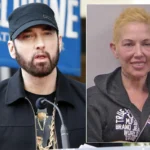

Travis Scott, the globally recognized rapper and artist born Jacques Webster, is currently embroiled in a civil lawsuit stemming from a contentious incident aboard a chartered yacht in Miami two years ago. The lawsuit, filed on Saturday, July 11, by boat captain Adrian Frometa and charter managers John Steve Holguin and Mirnesa Hasanovic, accuses the artist of assault, battery, false imprisonment, and intentional infliction of emotional distress. While Scott was previously arrested in connection with the event, no criminal charges were ultimately filed. This legal action introduces a new dimension to the aftermath of the Miami incident, shifting the focus to civil claims for alleged physical and emotional damages.
The allegations paint a picture of escalating tension and aggression during a luxury yacht excursion. According to the lawsuit obtained by Billboard, Scott chartered the 105-foot yacht, named Carpe Diem, on June 19, 2024, for a coastal cruise around Miami with three female companions. Initially, Captain Adrian Frometa was the sole crew member present. The suit contends that as the evening progressed, Scott’s demeanor became increasingly intoxicated and confrontational. This alleged behavior prompted Captain Frometa to make the decision to terminate the charter prematurely.
However, the situation reportedly devolved further upon the yacht’s return to the marina. The lawsuit details a physical altercation, stating, "Without any warning, Scott pushed Frometa from behind and then struck him with a closed fist to his neck and upper chest." The legal document further asserts that Scott then unleashed a torrent of verbal abuse, including repeated threats. According to the filing, Scott allegedly declared Frometa was "dead" and that he was "going to kill" him.
In response to the alleged assault and threats, Captain Frometa reportedly contacted his superiors, charter managers Mirnesa Hasanovic and John Steve Holguin, for assistance. They arrived at the marina approximately ten minutes later. The lawsuit claims that a subsequent scuffle ensued, during which Holguin alleges he was knocked to the ground. Following this, Hasanovic and Holguin are said to have retreated to the interior of the yacht and barricaded themselves inside. The legal filing describes Scott attempting to forcibly open the glass door from the outside while Holguin and Hasanovic held it shut from within, continuing to yell threats, stating they were "dead."
The tense standoff reportedly de-escalated with the arrival of law enforcement officers. Scott was subsequently arrested on charges of disorderly intoxication and trespassing at the Miami Beach Marina in June 2024. Despite the arrest, prosecutors later declined to press criminal charges.
The legal complaint further highlights Scott’s reaction to his arrest, noting that he later posted his mug shot on social media and subsequently sold merchandise featuring the image. The plaintiffs argue that this action "made light of the incident and the harm caused." They contend that they suffered both physical and emotional injuries as a direct result of Scott’s alleged actions. Consequently, they are seeking unspecified financial damages for claims encompassing assault, battery, false imprisonment, and intentional infliction of emotional distress.
A representative for Travis Scott has declined to comment on the ongoing lawsuit, stating on Tuesday, July 14, that the artist’s team had no statement regarding the matter.
Chronology of Events
The timeline provided by the lawsuit offers a structured account of the alleged incident:

- June 19, 2024: Travis Scott charters the yacht Carpe Diem for a cruise in Miami with three female guests. Captain Adrian Frometa is the sole crew member initially present.
- Evening of June 19, 2024: According to the lawsuit, Scott becomes intoxicated and aggressive. Captain Frometa decides to end the charter early.
- Return to Marina: Upon returning to the marina, the lawsuit alleges Scott assaults Captain Frometa, pushing him and striking him with a closed fist, accompanied by verbal threats.
- Arrival of Charter Managers: John Steve Holguin and Mirnesa Hasanovic, charter managers, arrive at the marina approximately ten minutes after being contacted by Frometa.
- Further Altercation: A second physical confrontation allegedly occurs, during which Holguin claims he was knocked down. Hasanovic and Holguin retreat and barricade themselves inside the yacht.
- Law Enforcement Intervention: Law enforcement arrives at the scene, leading to the de-escalation of the situation.
- Arrest of Travis Scott: Scott is arrested for disorderly intoxication and trespassing.
- Post-Arrest Actions: Scott posts his mug shot on social media and sells merchandise featuring the image.
- June 2024 (Later): Prosecutors decline to press criminal charges against Scott.
- July 11, 2026: The civil lawsuit is filed by Captain Frometa and charter managers Hasanovic and Holguin.
Background and Context
The incident occurred during a period of heightened public attention surrounding Travis Scott. His career has been marked by significant commercial success, including multi-platinum albums and a global fan base. However, his public persona has also been associated with controversy, most notably the tragic events at the 2021 Astroworld Festival, where a crowd surge resulted in multiple fatalities and numerous injuries. While the Astroworld incident led to extensive investigations and lawsuits, it underscored the potential for large-scale events involving Scott to attract scrutiny and legal challenges.
The Miami yacht incident, though seemingly less severe in its immediate aftermath compared to Astroworld, highlights a pattern of alleged disruptive behavior that has drawn legal attention. The fact that Scott was arrested and then released without criminal charges, only to face civil litigation, is a common trajectory in such cases. Civil lawsuits often proceed independently of criminal proceedings, focusing on damages and compensation for alleged harm rather than punishment for criminal offenses.
The yachting industry, particularly in high-profile destinations like Miami, often caters to celebrities and affluent individuals. Incidents involving chartered vessels can quickly become public knowledge, especially when they involve well-known figures. The Carpe Diem, described as a 105-foot yacht, represents a significant asset, and the cost of chartering such a vessel for a private excursion would be substantial, suggesting a high-end experience that reportedly turned sour.
Legal Ramifications and Implications
The lawsuit filed by Frometa, Holguin, and Hasanovic carries several potential implications for Travis Scott. Civil litigation can result in significant financial penalties, even if criminal charges are not pursued. The claims of assault, battery, false imprisonment, and intentional infliction of emotional distress are serious allegations that, if proven, could lead to substantial damages awarded to the plaintiffs.
The legal strategy of seeking "unspecified financial damages" is common in such cases, allowing plaintiffs to seek compensation for a range of potential losses, including medical expenses, lost wages, pain and suffering, and emotional distress. The success of the lawsuit will depend on the evidence presented, including witness testimonies, any available video footage from the yacht, and medical records documenting injuries.
Furthermore, the lawsuit draws attention to the artist’s conduct and could impact his public image and professional relationships. While his previous arrest did not result in criminal charges, the ongoing civil action keeps the incident in the public eye. The plaintiffs’ assertion that Scott "made light of the incident" by capitalizing on his mug shot could be used to demonstrate a lack of remorse or respect for the alleged harm caused, potentially influencing the court’s perception.
For the yacht charter industry, such incidents can raise questions about liability, security protocols, and the vetting of high-profile clients. While charter companies aim to provide luxury experiences, they also have a responsibility to ensure the safety of their crew and vessels. The lawsuit may prompt a review of existing policies and procedures.
Industry Reactions and Precedents
While direct statements from other artists or industry figures regarding this specific lawsuit are not yet public, the entertainment industry has a history of dealing with legal challenges involving its prominent members. Celebrity lawsuits, particularly those involving allegations of violence or misconduct, often attract significant media attention and can set precedents for future cases.
The trend of artists facing civil litigation following alleged incidents has become increasingly common. These cases often involve complex legal arguments and can result in lengthy court battles. The outcome of this lawsuit against Travis Scott could influence how similar disputes are handled in the future, particularly concerning the interplay between arrest, lack of criminal charges, and subsequent civil claims.

The plaintiffs’ decision to pursue legal action, especially after no criminal charges were filed, underscores the avenues available to individuals who believe they have been wronged, even in the absence of criminal prosecution. Civil courts are designed to provide recourse for victims seeking compensation for harm suffered.
Official Responses and Lack Thereof
As of Tuesday, July 14, Travis Scott’s representative has officially declined to comment on the lawsuit. This is a standard response in ongoing legal matters, as parties often refrain from public statements to avoid jeopardizing their legal position. The lack of comment from Scott himself or his legal team means that the plaintiffs’ allegations currently stand unopposed in the public discourse.
The Miami-Dade State Attorney’s Office, which would have been responsible for the criminal prosecution, previously declined to file charges. This decision was likely based on an assessment of the evidence available at the time and the legal threshold required for criminal conviction. However, civil litigation operates under a different standard of proof, typically a "preponderance of the evidence," which is less stringent than the "beyond a reasonable doubt" standard required in criminal cases. This difference in legal standards is crucial to understanding why a civil lawsuit can proceed even after criminal charges are dropped.
The charter company that managed the yacht, if distinct from the plaintiffs, may also face scrutiny or be involved in the legal proceedings, depending on the specific contractual agreements and their role in the incident.
Broader Impact and Future Considerations
The lawsuit against Travis Scott serves as a stark reminder of the potential consequences of alleged misconduct, even for individuals with significant resources and legal teams. It also highlights the ongoing challenges of managing public perception and legal liabilities in the high-stakes world of celebrity.
For Travis Scott, this legal battle adds another layer of complexity to his public narrative. While he continues to achieve significant commercial success, such as his recent appearance at the 2026 Vanity Fair Oscar Party, these legal challenges can cast a shadow. The way he navigates this civil lawsuit, whether through settlement or a protracted legal fight, will likely be closely watched by his fans, the media, and the music industry.
The incident and subsequent lawsuit also raise broader questions about personal responsibility, the consumption of alcohol in professional settings, and the potential for altercations to escalate. The plaintiffs’ claims of physical and emotional harm emphasize that even seemingly isolated incidents can have lasting repercussions for those involved. The legal system provides a mechanism for addressing such harms, and the outcome of this case will offer insight into the application of civil law in situations involving public figures.