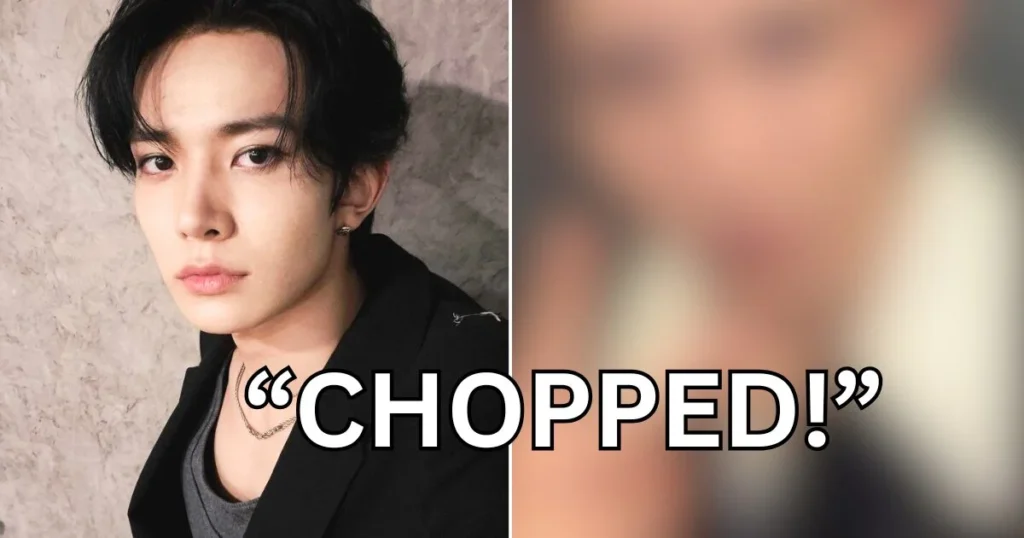

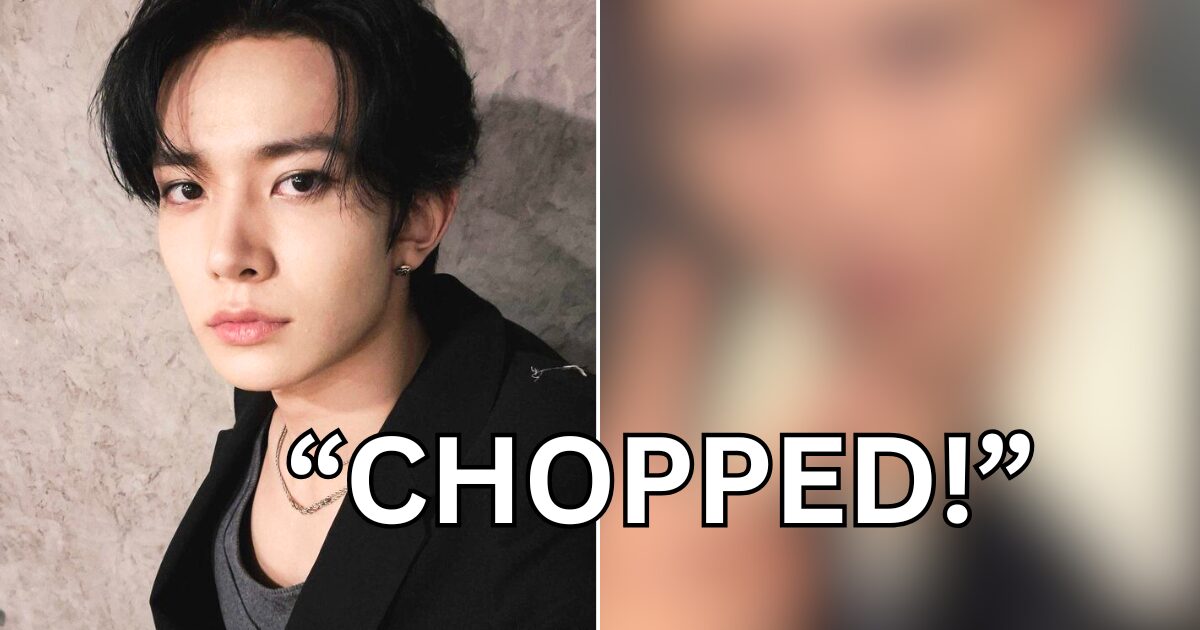
The controversy centers on a series of professional photographs captured during the recording of Episode 934 of M Countdown. While these images are standard promotional material designed to highlight a performer’s charisma and stage presence, the reception to EVAN’s new aesthetic was overwhelmingly negative. Netizens, both domestic and international, have voiced concerns and critiques ranging from the quality of the makeup application to the overall creative direction of his solo branding. The backlash has raised broader questions regarding the management of idol transitions and the significant role that visual presentation plays in the K-pop ecosystem.
The Solo Debut and the M Countdown Milestone
EVAN’s appearance on M Countdown was meant to be a triumphant return to the spotlight. After departing from ENHYPEN, a group known for its meticulously crafted "vampire" lore and polished aesthetic, the artist rebranded as EVAN to pursue a distinct musical identity. His debut solo track, "Ride or Die," was showcased with a high-energy performance intended to display his growth as a vocalist and dancer.
Following the broadcast, Mnet’s social media accounts uploaded the customary "behind-the-scenes" and "stage-cut" photos. These images, typically celebrated by fans as "legendary" visual captures, quickly became the focal point of a viral debate. The photographs depicted EVAN with vibrant red hair styled in a sharp, almost "antenna-like" fashion, bleached eyebrows, and heavy, dark eyeliner. The lighting and high-definition nature of the photos also made skin textures and makeup layering highly visible, leading to a discussion about the technical execution of his styling.
Detailed Breakdown of Visual Criticism
The criticism leveled against EVAN’s visuals can be categorized into three primary areas: technical makeup execution, hair styling, and the perceived "aging" effect of the new concept.
Technical Makeup and Styling Concerns
One of the most frequent complaints from netizens involved the perceived "caked" nature of the makeup. Observers noted that the foundation appeared excessively thick, which, when combined with the harsh studio lighting of a music show, emphasized skin imperfections rather than concealing them. One viral comment pointed out a specific blemish on the artist’s forehead, suggesting that the attempt to cover it with heavy product only served to draw more attention to it.
Furthermore, the choice of bleached eyebrows—a high-fashion trend that often divides public opinion—was deemed unflattering by many. Critics argued that the lack of eyebrow definition, paired with heavy, smudged eyeliner, created an "unwashed" or "fatigued" appearance. One netizen remarked, "The eyeliner looks like you slapped it on before washing your face," reflecting a sentiment that the makeup lacked the precision expected of a top-tier idol debut.
Hair and Concept Choices
The "antenna" hair styling, characterized by thin, gelled strands of red hair protruding from the forehead, was another point of contention. In the context of K-pop, where hair styling is often experimental, this particular look was viewed by some as dated or poorly suited to EVAN’s facial structure. The contrast between his former, more traditional "flower boy" visuals in ENHYPEN and this aggressive, alternative style has led to a sense of "visual shock" among long-time followers.
The "Aging" Effect and Health Perceptions
A recurring theme in the backlash was the comparison between EVAN’s current look and his previous image as a "vampire" idol. Under the ENHYPEN brand, the artist was often styled with ethereal, youthful, and supernatural undertones. Netizens noted that the shift to a more "human" and rugged solo concept had the unintended side effect of making the artist look significantly older. "Maybe it’s because he stopped being a vampire, but he suddenly looks really old," one social media user commented, highlighting how deeply the previous group’s branding had influenced public perception of his age and vitality.
Contextualizing the Departure from ENHYPEN
To understand the intensity of the backlash, one must look at the timeline and circumstances surrounding EVAN’s departure from ENHYPEN. The transition from a highly successful group to a solo career is rarely without friction in the K-pop industry.
EVAN, as Heeseung, was a central figure in ENHYPEN, often cited for his vocal prowess and "center" qualities. When he left the group, the move was met with a mix of support and resentment from the fandom. Some fans felt a sense of betrayal, while others were concerned about the internal dynamics that led to the split.
The current backlash contains undertones of these unresolved feelings. Some netizens have speculated that the poor styling was not an accident but a form of "revenge" or "sabotage" by staff members who may have been inconvenienced by his departure. One widely shared post suggested that if the artist’s departure caused scheduling conflicts or extra work for the production and styling teams, the resulting "caked-on" makeup could be a subtle expression of professional frustration. While these claims are speculative and lack official confirmation, they illustrate the narrative of "consequence" that often follows idols who leave established groups.
The Role of Stylists and Creative Direction
In the K-pop industry, an idol’s visual presentation is the result of a collaborative effort between the artist, their management agency, and a dedicated team of stylists, makeup artists, and hair designers. The backlash against EVAN has reignited a long-standing debate about the responsibility of these creative teams.
In many cases, an idol has limited input into their specific look for a music show performance. The creative direction is usually dictated by the concept of the song and the agency’s vision for the artist’s brand. For "Ride or Die," it appears the agency opted for a "gritty" and "raw" aesthetic to distance EVAN from his idol group roots. However, the execution of this "raw" look seems to have missed the mark with the general public, who are accustomed to the high-gloss, perfectionist standards of K-pop.

Industry analysts suggest that when a solo debut fails to meet visual expectations, it can significantly hinder the artist’s ability to secure domestic CF (commercial film) deals and high-end fashion sponsorships, which are heavily dependent on a "clean" and "marketable" image.
Broader Impact and Industry Implications
The "brutal backlash" against EVAN’s visuals serves as a case study for several emerging trends in the Hallyu wave:
- The Rise of High-Definition Criticism: As camera technology improves, music shows like M Countdown now provide ultra-HD photos and 4K "fancams." This level of detail leaves no room for error in makeup or styling, as every pore and brush stroke is visible to millions of viewers.
- The "Betrayal" Narrative: The K-pop fandom often views group departures through a moral lens. If an artist’s solo work or appearance is perceived as inferior to their group-era output, it is frequently used as "evidence" that they made a mistake by leaving.
- Visual Branding as a Soloist: Unlike group members who benefit from a collective aesthetic where individual flaws can be balanced by others, a soloist bears the full weight of their visual presentation. Any perceived misstep is magnified.
Conclusion and Future Outlook
While the initial reaction to EVAN’s M Countdown photos has been overwhelmingly critical, it is important to note that many soloists undergo a period of "trial and error" before finding a visual identity that resonates with the public. The backlash may serve as a necessary pivot point for EVAN’s management team to refine his styling for future promotions.
As of now, neither EVAN’s agency nor Mnet has issued an official statement regarding the photos or the subsequent criticism. It is common for agencies to remain silent in the face of visual controversies, instead choosing to implement subtle changes in the artist’s appearance for the next scheduled broadcast or promotional event.
The true test of EVAN’s solo career will lie in his ability to overcome this initial hurdle. While "visuals" are a cornerstone of K-pop, long-term success is often sustained by musical quality and the ability to build a loyal, independent fanbase. Whether "Ride or Die" can survive the "brutal" reception of its promotional imagery remains to be seen, but the conversation surrounding EVAN’s debut has certainly ensured that all eyes—critical or otherwise—are firmly fixed on his next move.