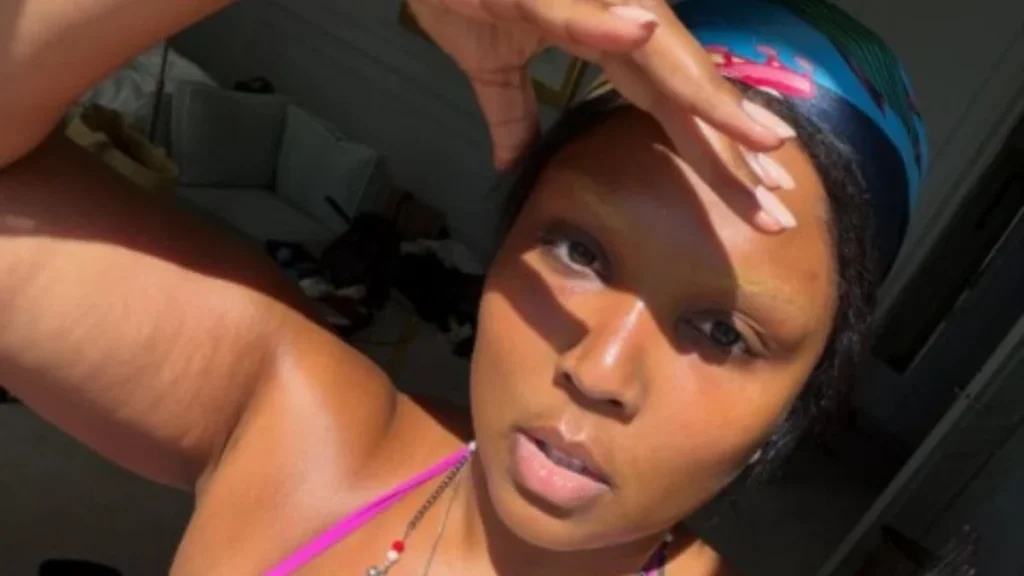

The commercial reception of Lizzo’s latest musical endeavor, titled Bitch, has sent ripples through the music industry after the project failed to achieve the monumental success of her previous releases. Released on June 5, the album’s debut figures have been described by analysts as a significant underperformance for an artist who, only two years ago, was considered one of the most dominant forces in global pop music. According to data provided by Luminate and reported by major entertainment outlets, the album sold a mere 2,649 copies in its opening week. More strikingly, the project failed to secure a position on the Billboard 200, a stark departure from the artist’s established track record of chart-topping hits and high-volume sales.
The downward trend continued into the album’s second week, with reports indicating that sales plummeted further to approximately 650 additional copies. This trajectory represents a dramatic shift from the performance of her 2022 studio album, Special. That project debuted at Number 2 on the Billboard 200, moved approximately 69,000 equivalent units in its first week, and was bolstered by the massive success of the Grammy-winning single "About Damn Time." The disparity between these two release cycles has prompted intense discussion among fans, critics, and industry insiders regarding the factors contributing to such a rapid decline in commercial viability.
A Comparative Analysis of Commercial Performance
To understand the magnitude of the current situation, one must look at the historical data of Lizzo’s career. Born Melissa Viviane Jefferson, the four-time Grammy winner saw a meteoric rise to fame following the sleeper-hit success of "Truth Hurts" and the subsequent release of Cuz I Love You in 2019. That album solidified her status as a "radio darling," a term she recently used to describe herself. Cuz I Love You spent weeks in the top ten of the Billboard 200 and eventually earned platinum certifications.
In contrast, the 2024 release of Bitch appears to have lacked the marketing momentum and public goodwill that characterized her earlier work. The first-week sales of 2,649 copies suggest a nearly 96% decrease in initial consumer engagement compared to Special. While the music industry has seen a general shift toward streaming, most major artists of Lizzo’s caliber still manage to leverage their massive social media followings to drive significant numbers. The absence of Bitch from the Billboard 200—a chart that factors in both traditional sales and streaming equivalents—indicates that the album did not generate enough traction on platforms like Spotify or Apple Music to offset the low physical and digital sales.
The Shift from Radio to Streaming and Lizzo’s Defense
The sudden drop in numbers led to widespread speculation on social media. On X (formerly Twitter), one user noted the strangeness of the situation, questioning how an artist who was "literally selling out arenas not even two years ago" could see such a decimated fanbase. Lizzo personally addressed these concerns, offering her perspective on the changing landscape of the music business.
"I actually can answer this: the industry changed so much in the last 3 years," Lizzo wrote in response to the inquiry. She argued that the transition from radio dominance to streaming dominance has fundamentally altered how music is consumed and how artists maintain their visibility. Lizzo described herself as a "radio darling," noting that her fan discovery was historically tied to terrestrial radio play rather than the algorithmic discovery prevalent on streaming services today.
However, this explanation has met with skepticism from industry veterans. Ray Daniels, a prominent music executive and host of The Raydar Report, challenged the notion that an artist’s decline can be blamed solely on industry shifts. Daniels suggested that if an artist is aware of a changing landscape, the responsibility lies with their management and marketing teams to adapt. He questioned why Lizzo and her team did not pivot more aggressively to digital engagement or encourage her fanbase to support her through the channels she claims are failing her. The argument posits that while the "radio era" may be waning, top-tier stars like Taylor Swift, Beyoncé, and Billie Eilish have successfully navigated the transition, suggesting that Lizzo’s struggles may be rooted in factors beyond technical industry changes.
The Impact of Legal Controversies and Workplace Allegations
While Lizzo pointed to industry mechanics, many public observers have pointed to a more personal and professional hurdle: the 2023 lawsuit that severely tarnished her public image. For years, Lizzo built a brand centered on radical self-love, body positivity, and the empowerment of marginalized voices. This brand was thrown into turmoil when three of her former backup dancers—Arianna Davis, Crystal Williams, and Noelle Rodriguez—filed a lawsuit in Los Angeles.
The legal filing contained a series of damaging allegations, including claims of sexual misconduct, religious and racial harassment, and the creation of a "hostile" workplace environment. Specifically, the plaintiffs alleged that during a trip to Amsterdam, Lizzo pressured them into interacting with nude performers at a club. Furthermore, the lawsuit included accusations of body-shaming, an allegation that struck at the core of Lizzo’s public persona. The dancers claimed that Lizzo and her team made "thinly veiled" comments about their weight gain, creating an atmosphere of fear and insecurity.
The controversy deepened when Sophia Nahli Allison, an Oscar-nominated filmmaker and creative director, came forward to support the dancers’ claims. Allison had briefly worked with Lizzo in 2019 to direct a documentary but departed after only two weeks. She described the experience as traumatic, labeling Lizzo as "arrogant, self-centered, and unkind." Allison stated that she witnessed firsthand how the artist treated staff with disrespect and claimed she was "thrown into a sh-tty situation" without protection. These corroborating statements from a respected industry professional added weight to the allegations and fueled a narrative that Lizzo’s private behavior stood in direct opposition to her public advocacy.
The Legal Defense and Refusal to Settle
Lizzo has remained steadfast in her denial of all allegations. In the immediate aftermath of the lawsuit, she released a lengthy statement calling the claims "false" and "outrageous." She characterized the stories as "sensationalized" and coming from former employees who had been told their behavior was "unprofessional."
In a recent appearance on the Today show, Lizzo doubled down on her stance, explaining her decision to fight the lawsuit in court rather than seek a quiet settlement. "I could have settled, but I’m a woman who is not afraid of the truth coming out, so I’m continuing to fight," she told interviewer Savannah Guthrie. This "fight for the truth" has become a central theme of her current public relations strategy. However, the legal proceedings remain ongoing, and the court of public opinion appears to be deeply divided. The commercial failure of Bitch suggests that a significant portion of her previous audience may have distanced themselves from the artist while the legal clouds remain overhead.
Broader Implications for "Brand Lizzo" and the Pop Landscape
The commercial trajectory of Bitch serves as a case study for the fragility of modern celebrity brands. Lizzo’s career was built on a foundation of "authenticity," a quality that is highly valued by Gen Z and Millennial consumers but is also easily compromised when allegations of hypocrisy arise. For an artist whose lyrics frequently champion the underdog and celebrate kindness, the accusations of workplace bullying have been particularly damaging.
The "public attack" Lizzo referenced in her social media post likely refers to the "cancel culture" phenomenon that followed the lawsuit. In the months following the filing, Lizzo saw a decline in social media engagement and was notably absent from several high-profile industry events. The psychological and professional toll of such an event cannot be understated.
From a technical standpoint, the failure to chart on the Billboard 200 also highlights the importance of "fanbase retention" versus "casual listeners." During the Special era, Lizzo benefited from massive crossover appeal—casual listeners who heard her on the radio and added her songs to their playlists. However, when an artist faces a PR crisis, they must rely on a "core fanbase" to sustain them. If that core fanbase feels betrayed by the artist’s actions or if the brand identity no longer resonates, the sales floor can drop out entirely.
Future Outlook and the Road to Redemption
As the legal battle continues, the future of Lizzo’s musical career remains uncertain. The poor performance of Bitch indicates that a "return to form" will require more than just new music; it will likely require a resolution of her legal issues and a concerted effort to rebuild trust with her audience.
Industry analysts suggest that Lizzo may need to reconsider her marketing approach. If the "radio darling" era is truly over, the path forward involves mastering the viral, short-form content landscape of TikTok and Reels, while simultaneously addressing the workplace culture concerns that have alienated her supporters.
The story of Lizzo’s latest album is not just one of low sales numbers, but a complex intersection of changing technology, legal scrutiny, and the volatile nature of public perception. Whether she can reclaim her spot at the top of the charts will depend on the outcome of her ongoing litigation and her ability to convince the public that the "truth" she is fighting for aligns with the values she has long championed. For now, Bitch stands as a somber milestone in a career that was once defined by its limitlessness, serving as a reminder of how quickly the tides can turn in the modern entertainment industry.