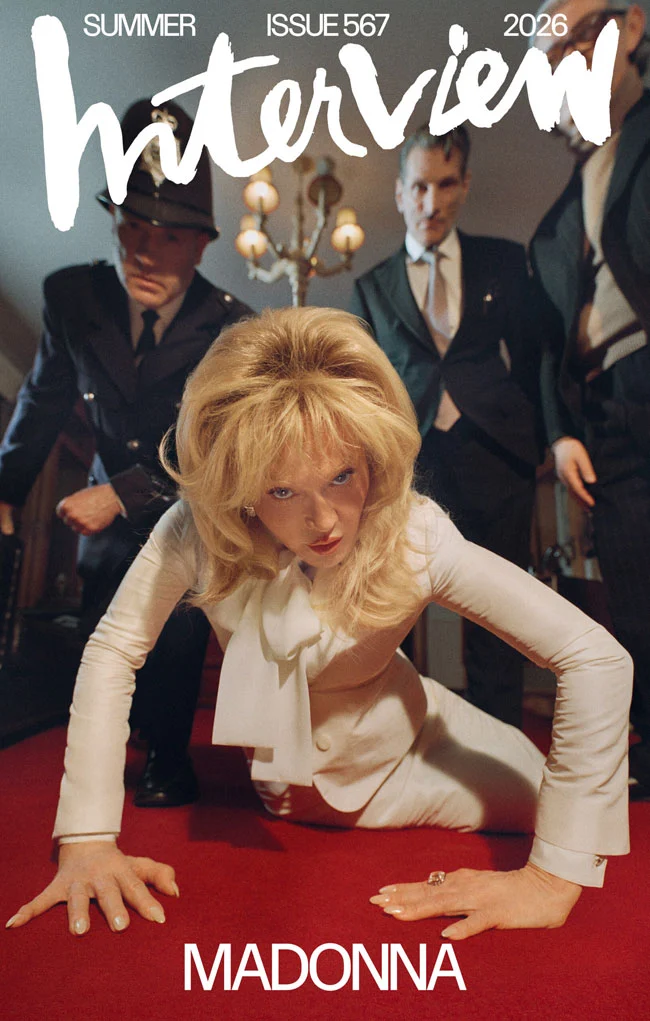

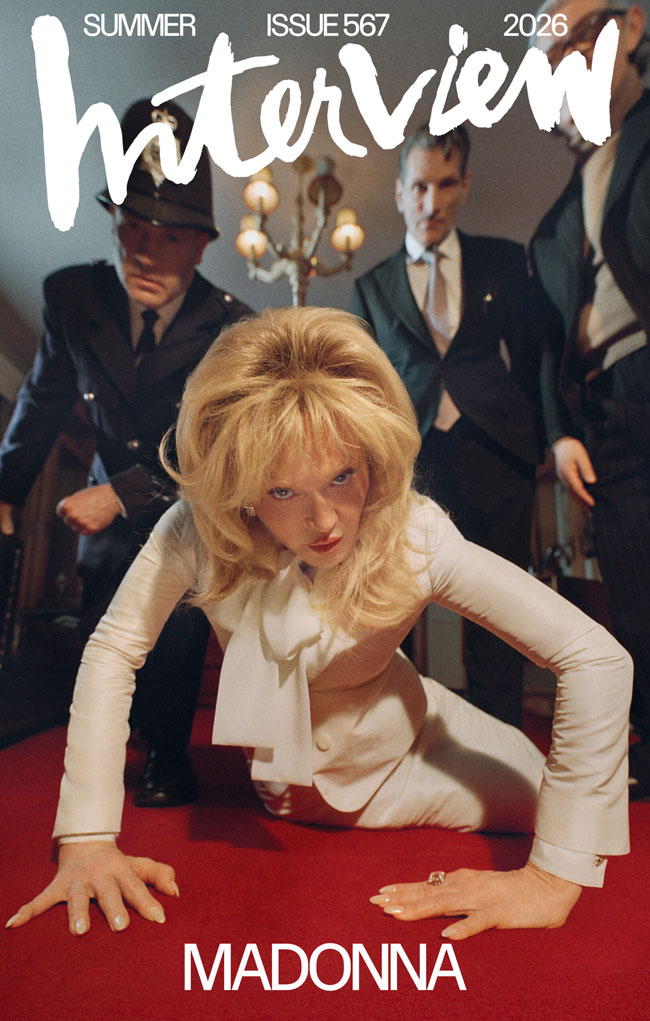
The global pop icon Madonna has secured her eleventh cover for Interview Magazine in the publication’s Summer 2026 issue, setting a record for the most appearances by any individual star in the magazine’s history. The feature, which includes an extensive pictorial captured by renowned photographer Nadia Lee Cohen and a comprehensive interview, serves as a significant cultural milestone as the artist enters a new creative phase. During the sessions, which took place in the outskirts of London and at her private residence, Madonna revealed the development of her upcoming studio album, titled Confessions on a Dance Floor: Part II, a direct sequel to her critically acclaimed and multi-platinum 2005 record. This announcement comes amid a period of reflection for the artist, who also addressed the status of her long-awaited biographical film and her perspectives on the evolving landscape of social media and gender dynamics in the arts.
The Aesthetic and Creative Concept of the Summer 2026 Feature
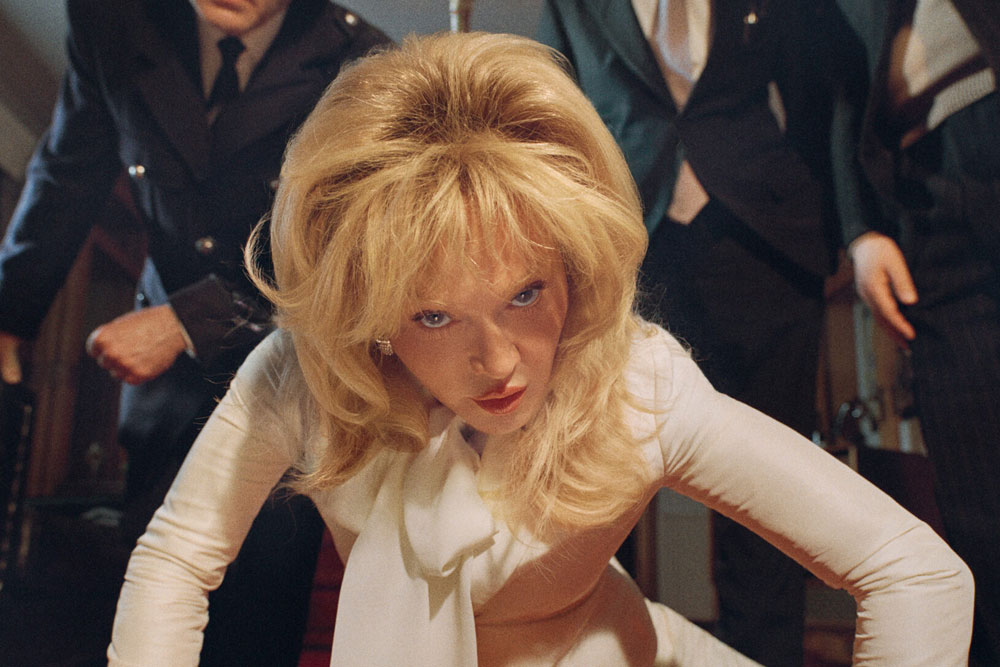
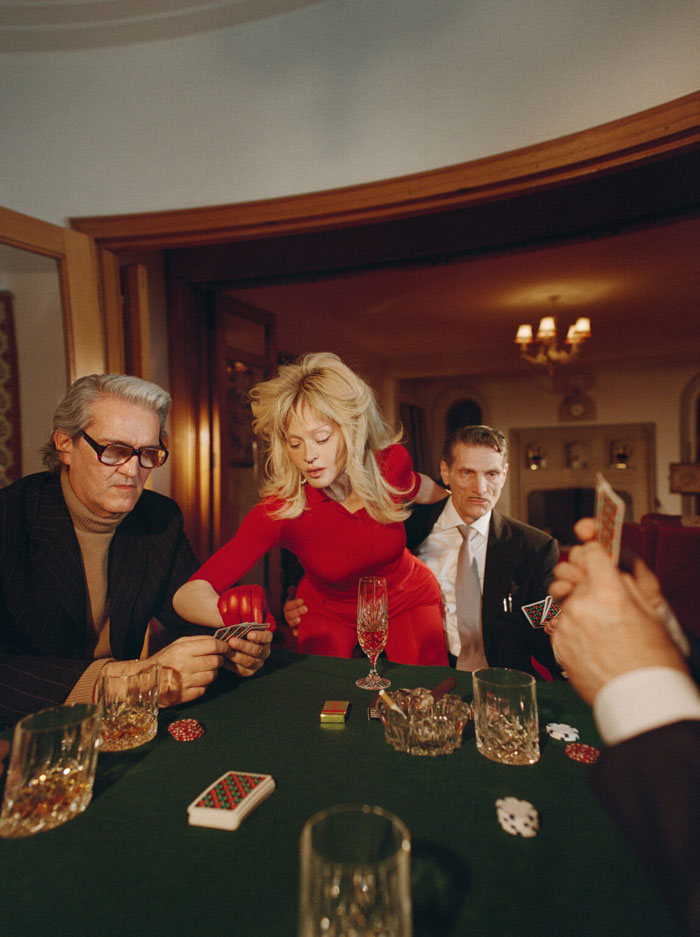
The visual component of the Interview feature was developed through a late-night collaboration with Nadia Lee Cohen, a photographer known for her cinematic and often surrealist approach to fashion and celebrity portraiture. For this specific project, Madonna inhabited a character she named "Dee Dee," described as a high-spirited, "hard-living" persona characterized by voluminous hair and a preference for classic rock music. The shoot’s atmosphere was reportedly immersive, with the production continuing into the early morning hours until external interventions necessitated a conclusion.
Nadia Lee Cohen noted that the experience offered a rare glimpse into a level of "star power" that remains unparalleled in the modern entertainment industry. This collaboration marks a continuation of Madonna’s long-standing relationship with Interview Magazine, a publication founded by Andy Warhol in 1969. Madonna’s frequent appearances on its cover underscore her enduring relevance and her ability to adapt to different eras of fashion and cultural discourse.
The Return to Dance: Confessions on a Dance Floor Part II
Perhaps the most significant revelation from the interview is the confirmation of Confessions on a Dance Floor: Part II. The original 2005 album, produced largely by Stuart Price, was a pivotal moment in Madonna’s career, moving away from the political themes of American Life (2003) toward a continuous mix of disco, Europop, and house music. It debuted at number one in 40 countries and earned a Grammy Award for Best Electronic/Dance Album.
While specific production credits for the sequel have not yet been fully disclosed, the artist confirmed that she has completed a listening session for the new material. The decision to revisit the "Confessions" brand suggests a return to a cohesive dance-centric sound, a move that industry analysts suggest could capitalize on the current resurgence of disco and 90s house influences in mainstream pop. The original album was famous for its use of samples—most notably ABBA’s "Gimme! Gimme! Gimme! (A Man After Midnight)" in the lead single "Hung Up"—and fans are speculating whether the new project will utilize similar archival interpolations.
Challenges in Cinematic Development: The Universal Studios Biopic
Madonna provided a candid update on her self-directed biographical film, a project that has been in development for several years. According to the artist, the script required two years of intensive writing, followed by another two years of pre-production at Universal Studios. This phase included detailed budgeting and casting sessions, with actress Julia Garner previously reported to be the frontrunner for the lead role.
However, the project has faced significant hurdles regarding its financial scope. Madonna stated that the collaboration with Universal reached a stalemate over the budget. She emphasized that her "extraordinary life" required a substantial financial commitment to be portrayed accurately on screen, leading to a "falling out" with the studio. This development highlights the ongoing tension between artistic vision and corporate risk management in Hollywood, particularly concerning big-budget biopics. While the film’s future remains uncertain, Madonna’s insistence on a high-production-value narrative suggests she is unwilling to compromise on the scale of her life story.
Critical Analysis of Gender and Art
A significant portion of the conversation was dedicated to the double standards faced by female artists. Madonna drew a comparison between herself and the Spanish painter Pablo Picasso, noting that while Picasso’s personal life and treatment of women were often criticized, his artistic brilliance allowed him to maintain his status as a revered figure. She argued that women who engage in provocative or challenging behavior are often subjected to a higher level of scrutiny and are less frequently afforded the same degree of critical leniency.
The artist observed that while contemporary society has become more open-minded regarding female provocateurs, there remains a lack of critical thinking among the general public. She suggested that audiences often fail to examine the "subtleties and layers of meanings" in art, particularly when that art is produced by a woman. This commentary aligns with Madonna’s career-long effort to challenge societal norms regarding age, sexuality, and the female body.
Physical Health and the Evolution of Fitness
Now in her late 60s, Madonna also addressed the physical toll of her high-energy career. She revealed that she currently suffers from a lack of cartilage in her knee, a condition she attributes to decades of dancing in high heels, running on pavement, and practicing intensive Ashtanga yoga. Until recently, her regimen included high-impact activities such as trampoline work and dance cardio, which she can no longer sustain.
In response to these physical limitations, the artist has transitioned to low-impact but high-intensity alternatives. Her current fitness routine involves Peloton cycling, the Versa Climber, and high-intensity circuit training, alongside outdoor cycling and dance. This transition reflects a broader trend among aging athletes and performers who must modify their training to ensure longevity while maintaining the stamina required for world tours.
Digital Discipline and Social Media Philosophy
Despite being one of the most followed figures on social platforms, Madonna expressed a disciplined and somewhat detached relationship with social media. She noted that she did not join Instagram until approximately 2018 and grew up in a household without a television, which she credits for her ability to avoid digital distractions.
She described her occasional use of the platform as a conscious choice rather than a compulsion, often catching herself before falling into a "scroll hole" and reminding herself of her professional responsibilities. Her perspective offers a contrast to the "digital native" generation of pop stars, emphasizing a focus on productivity and critical thought over constant connectivity.
Historical Context and Industry Implications
Madonna’s return to the Interview cover and the announcement of a new album come at a time when legacy artists are seeing a massive resurgence in streaming and touring revenue. Her most recent "Celebration Tour" (2023–2024) was a commercial triumph, grossing over $225 million and reaffirming her status as the highest-grossing female touring artist of all time.
The industry implications of Confessions on a Dance Floor: Part II are significant. By branding the album as a sequel, Madonna is utilizing a strategy often seen in the film industry but less frequently in music. This approach leverages nostalgia while promising a modern update to a beloved sound. Given the success of the 2005 predecessor, expectations among retailers and streaming platforms are high.
Furthermore, her public comments regarding the Universal Studios biopic may signal a shift in how the project is handled. By speaking openly about the budget disputes, she may be looking to attract alternative financing or a different studio partner willing to meet her creative and financial demands.
Conclusion
Madonna’s Summer 2026 feature in Interview Magazine serves as more than just a promotional tool for her upcoming music; it is a testament to her enduring influence on fashion, art, and the business of celebrity. Through her collaboration with Nadia Lee Cohen, she continues to push visual boundaries, while her insights into the film industry and gender politics provide a sobering look at the challenges even a global icon faces in maintaining creative control. As the industry prepares for the release of Confessions on a Dance Floor: Part II, it is clear that Madonna remains a central, albeit polarizing, figure in the global cultural dialogue, consistently refusing to adhere to traditional expectations of aging or artistic retirement.