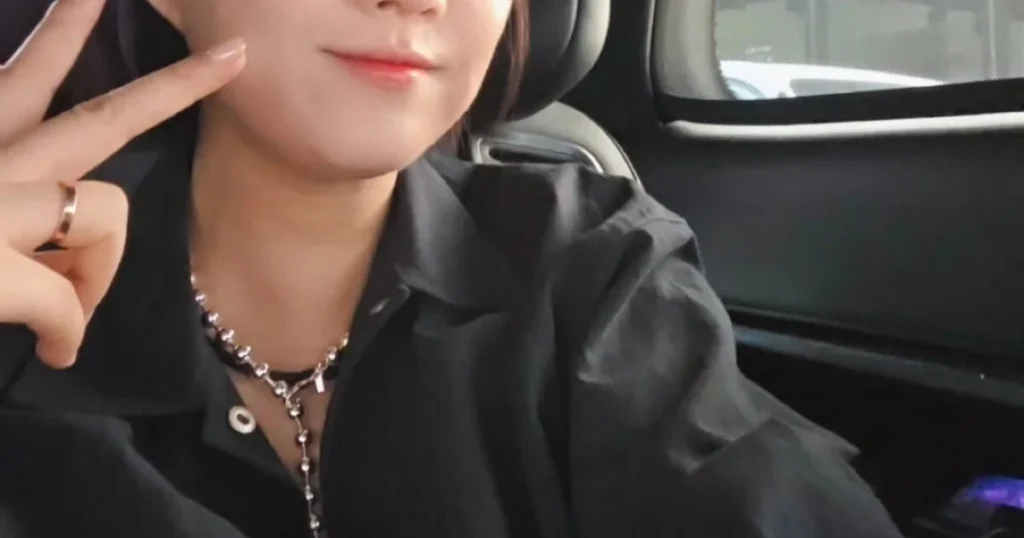

On the afternoon of June 18, a video titled "Jang Yoon Jeong’s day drinking on an empty stomach, eating low-sugar meals, and using the sauna at home" was uploaded, providing fans with an intimate look at her daily routine. While the video initially appeared to be a standard lifestyle vlog focusing on her health and wellness practices, it quickly shifted into a somber reflection on the darker side of fame. Jang revealed that she has been forced to abandon one of her favorite pastimes—visiting public saunas and bathhouses—due to the persistent threat of illegal filming.
The Incident: From Public Refuge to Private Surveillance
For decades, public bathhouses, or jjimjilbangs, have served as a cornerstone of South Korean social and wellness culture. For Jang Yoon Jeong, these spaces were once a personal refuge where she could unwind from the rigors of a high-profile career. However, the singer explained that the ubiquity of smartphones has fundamentally altered the safety of these environments.
"I used to really enjoy going to the bathhouse and sauna," Jang stated during the video, "but at some point, with everyone owning smartphones, it became quite uncomfortable." She went on to disclose a specific incident that served as the catalyst for her withdrawal from public life. "There was a time when photos were taken of me while I was at the bathhouse," she confessed. The realization that she had been photographed in a state of extreme vulnerability led to a profound sense of fear and a subsequent decision to avoid public baths entirely.
To reclaim a sense of normalcy and safety, Jang revealed that she had a compact, single-person cypress wood sauna installed in a corner of her home. The video showed the singer skillfully managing the sauna herself, spraying water on heated stones to maintain the temperature. While the installation of a home sauna might be viewed as a luxury, Jang’s narrative reframes it as a necessary defensive measure against the invasive nature of modern fan culture and digital crime.
The "Molka" Crisis: A Broader Societal Context
Jang Yoon Jeong’s experience is not an isolated incident but rather a high-profile example of "molka"—the South Korean term for the illicit filming and distribution of private images. Over the past decade, South Korea has grappled with an epidemic of illegal filming, frequently targeting women in public restrooms, changing rooms, and bathhouses.
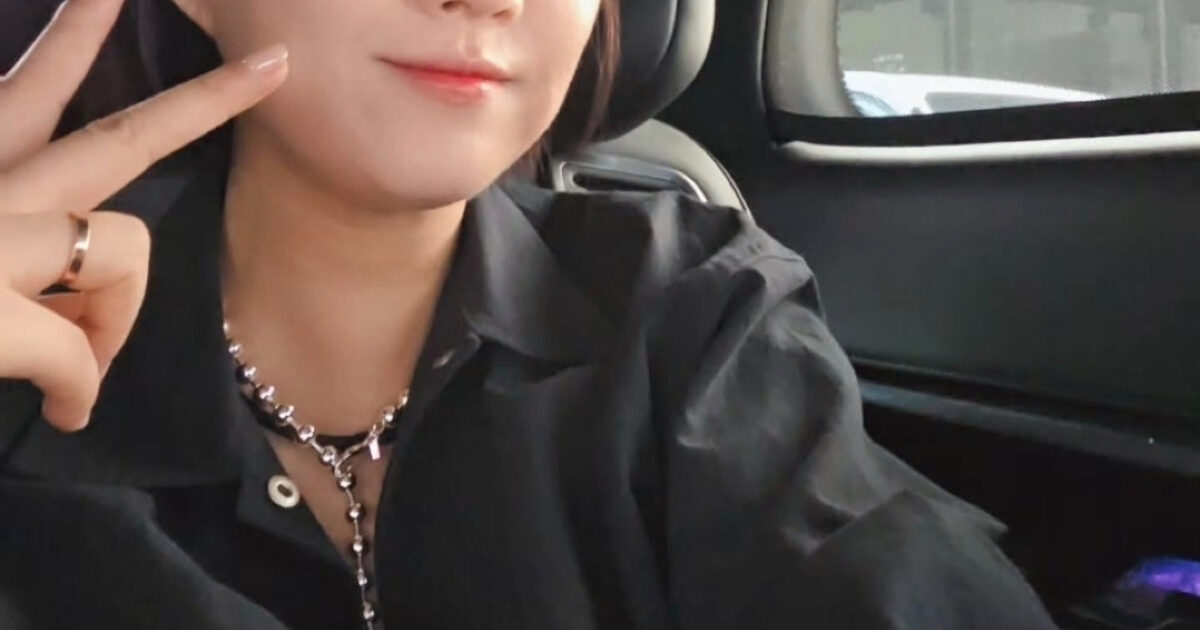
According to data provided by the National Police Agency, reports of illegal filming in South Korea surged from approximately 2,400 cases in 2011 to over 6,000 cases annually in recent years. While the government has implemented various crackdowns, including the formation of specialized task forces to inspect public facilities for hidden cameras, the prevalence of high-resolution smartphone cameras makes detection and prevention increasingly difficult.
The psychological impact on victims of illegal filming is often compared to that of physical assault. Victims report high levels of anxiety, post-traumatic stress disorder (PTSD), and a pervasive fear of being watched. For a public figure like Jang Yoon Jeong, whose livelihood depends on public visibility, the violation of her private space carries the added weight of professional vulnerability and the potential for the images to be weaponized online.
A Career Defined by Public Adulation and Its Cost
To understand the impact of this incident on Jang Yoon Jeong, one must consider her stature in the South Korean entertainment industry. Often referred to as the "Queen of Trot," Jang is credited with revitalizing the traditional trot music genre in the early 2000s. Her breakout hit, "Eomeona!" (Oh My Goodness!), became a national sensation, making her one of the most recognizable faces in the country.
Because trot music appeals to a wide demographic, including older generations who may feel a sense of familiarity or "ownership" over their favorite stars, the boundaries between the performer and the public are often blurred. This cultural dynamic, while contributing to her massive success, has also made her a primary target for intrusive behavior. The incident at the bathhouse underscores a harsh reality for South Korean celebrities: the more beloved a star is, the more likely their private life will be viewed as public property.
Chronology of Digital Privacy Evolution in South Korea
The shift in Jang Yoon Jeong’s lifestyle mirrors the technological and legal evolution of privacy in South Korea over the last twenty years:
- Early 2000s: Jang Yoon Jeong rises to fame. At this time, digital cameras were separate devices, and public bathhouses were generally considered safe, "camera-free" zones by social convention.
- 2010–2015: The rapid adoption of smartphones equipped with high-quality cameras. This period saw the first significant rise in "molka" reports.
- 2018: The "My Life is Not Your Porn" protests. Tens of thousands of women took to the streets in Seoul to demand harsher penalties for illegal filming.
- 2020: The "Nth Room" case. A major legal turning point where the South Korean government intensified the "Act on Special Cases Concerning the Punishment, etc. of Sexual Crimes," significantly increasing jail time for those who distribute or possess illegally filmed content.
- Present Day: High-profile figures like Jang Yoon Jeong are increasingly vocal about the trauma of illegal filming, moving the conversation from a niche criminal issue to a fundamental human rights concern.
Legal Ramifications and Industry Responses
Legal experts note that while South Korean law has become more stringent, the burden of proof often remains high for victims. Under Article 14 of the Act on Special Cases Concerning the Punishment, etc. of Sexual Crimes, an individual who takes photos of another person’s body against their will in a way that may cause sexual shame or desire can face up to seven years in prison or a fine of up to 50 million won (approximately $36,000 USD).

However, in the context of celebrities, these cases are often settled out of court to avoid further public scandal, or the perpetrators are never identified due to the anonymous nature of digital sharing. Jang’s decision to speak out publicly rather than pursue a quiet legal battle reflects a growing trend among celebrities to use their platforms to shame the behavior and advocate for cultural change.
While there has been no official statement from the Ministry of Culture, Sports, and Tourism regarding this specific case, industry insiders suggest that entertainment agencies are increasingly investing in private facilities for their artists. "The cost of security is no longer just about bodyguards at events," noted a representative from a major talent management firm. "It is now about creating a ‘private infrastructure’—private gyms, private saunas, and private clinics—where our artists can exist without the fear of a lens being pointed at them."
Broader Implications for Public Spaces and Celebrity Mental Health
The confession by Jang Yoon Jeong highlights a growing "seclusion trend" among South Korean elite. As public spaces become increasingly scrutinized by the digital eyes of the populace, the wealthy and famous are retreating into highly controlled, private environments. This shift not only changes the nature of celebrity but also signals a breakdown in the traditional social contract that allowed public figures to navigate society with a modicum of anonymity.
Furthermore, the psychological toll of such incidents cannot be overstated. Jang’s admission that she felt "scared" and "uncomfortable" points to the long-term trauma associated with being a victim of illegal filming. Psychologists argue that when a person’s most private moments are captured without consent, it creates a "panopticon effect," where the individual feels they are being watched even when they are alone.
Conclusion: The Path Forward
Jang Yoon Jeong’s story serves as a stark reminder that despite technological progress and legal reforms, the fundamental right to privacy remains under threat in the digital age. By sharing her "bitter behind-the-scenes story," she has shed light on the invisible barriers that fame and illegal surveillance have built around her life.
The transition from the communal warmth of a public sauna to the solitary confines of a home-installed unit is more than a change in lifestyle; it is a symptom of a society struggling to balance the convenience of mobile technology with the ethical necessity of consent. As South Korea continues to refine its legal and social responses to illegal filming, the voices of survivors like Jang Yoon Jeong will be instrumental in ensuring that the conversation remains centered on the human impact of these digital crimes. For now, the "Queen of Trot" remains safe within the walls of her home, a testament to both her resilience and the unfortunate necessity of her retreat.